CM Dhami pays tribute to Uttarakhand's spiritual identity
Synopsis
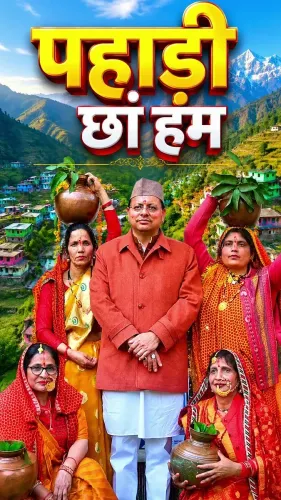
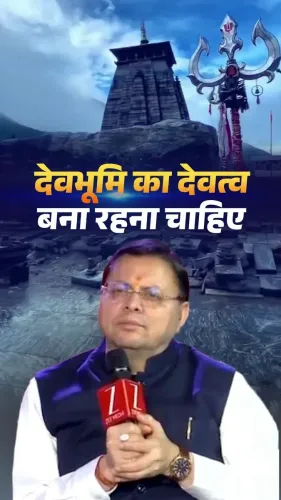
Chief Minister Pushkar Singh Dhami saluted Uttarakhand as 'not merely our identity but our soul, culture, and pride,' invoking the state's Devbhoomi — Land of the Gods — designation in a heartfelt post on X on 27 October 2026.
Key Takeaways
CM Pushkar Singh Dhami posted a tribute to Uttarakhand on X on 27 October 2026 .
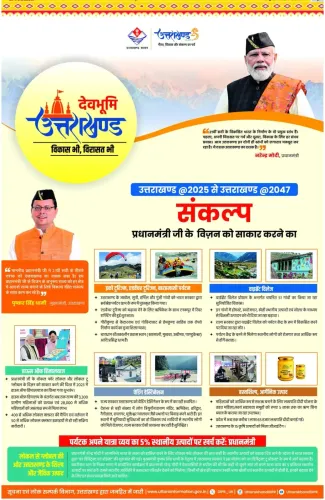
He described the state as 'not merely our identity, but our soul, our culture, and our pride.' Devbhoomi — 'Land of the Gods' — is Uttarakhand's official designation, rooted in the Char Dham pilgrimage circuit.
The state was established on 9 November 2000 , carved out of Uttar Pradesh.
No new policy or programme was announced; the post is a statement of cultural and spiritual allegiance.
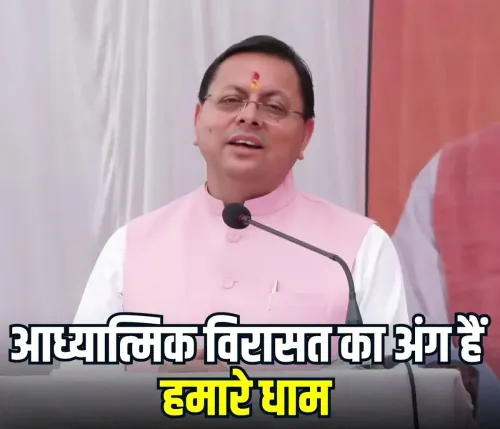
For Uttarakhand Chief Minister Pushkar Singh Dhami, the Himalayan state is far more than a political constituency — it is, in his own words, the soul of a civilisation. On Tuesday, 27 October 2026, Dhami took to X to offer a heartfelt salute to his home state, describing it as the embodiment of identity, culture, and pride.
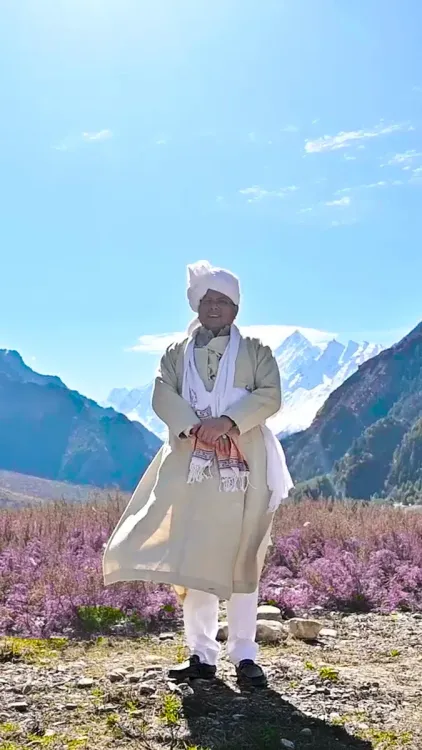
In Hindi, the Chief Minister wrote: 'Devbhoomi Uttarakhand kewal hamari pehchaan nahin balki hamari aatma, sanskriti aur gaurav hai. Is paavan dhara ko shat-shat naman.' — 'Devbhoomi Uttarakhand is not merely our identity, but our soul, our culture, and our pride. A hundred salutes to this sacred land.'
Why 'Devbhoomi' is more than a nickname
The title Devbhoomi — literally 'Land of the Gods' — is woven into Uttarakhand's official identity. The state is home to the Char Dham pilgrimage circuit — Badrinath, Kedarnath, Gangotri, and Yamunotri — drawing hundreds of thousands of Hindu pilgrims every year from across India and the world. The Ganga and Yamuna both originate within its borders, lending the terrain a sanctity that long predates modern statehood.
Uttarakhand was carved out of Uttar Pradesh on 9 November 2000, with the Devbhoomi designation becoming central to its branding and governance narrative ever since. For BJP-led governments in the state, affirming this spiritual geography has been a recurring thread — connecting regional pride to a broader cultural consciousness.
A message of reverence, not a policy signal
Dhami's post carries no announcement, no scheme launch, no event trigger. It is a statement of allegiance — the kind Indian state leaders periodically issue to reinforce the emotional bond between governance and geography. That it comes without a specific occasion makes it no less sincere; it reflects a pattern of public messaging that keeps the state's sacred identity at the forefront of political communication.
For a Chief Minister who was born in Pithoragarh and has built his political career around Uttarakhand's Himalayan and Hindu heritage, the salute reads as instinct as much as strategy. A hundred bows to sacred ground — and a reminder of what, in his telling, the state truly stands for.
Point of View
The Chief Minister keeps cultural pride as a persistent political backdrop rather than a one-off campaign message. It is soft-power statecraft: reminding voters, pilgrims, and the wider Hindu cultural constituency that the state's stewards see themselves as custodians of something far older than any political mandate. The absence of a policy hook is, in this context, the point.
NationPress
27 Oct 2026
Frequently Asked Questions
What does Devbhoomi mean and why is Uttarakhand called that?
Devbhoomi means 'Land of the Gods.' Uttarakhand carries this title because it is home to the Char Dham pilgrimage sites — Badrinath, Kedarnath, Gangotri, and Yamunotri — and is the origin of sacred rivers including the Ganga and Yamuna.
What did CM Pushkar Singh Dhami post about Uttarakhand?
CM Dhami posted on X that 'Devbhoomi Uttarakhand is not merely our identity, but our soul, our culture, and our pride,' offering a hundred salutes to the sacred land.
When was Uttarakhand formed as a separate state?
Uttarakhand was established on 9 November 2000, when it was carved out of Uttar Pradesh.
What is the Char Dham pilgrimage circuit in Uttarakhand?
The Char Dham circuit comprises four Hindu shrines — Badrinath, Kedarnath, Gangotri, and Yamunotri — located in the Himalayas of Uttarakhand, making the state one of India's most important pilgrimage destinations.
Who is Pushkar Singh Dhami?
Pushkar Singh Dhami is the Chief Minister of Uttarakhand and a senior BJP leader, born in Pithoragarh district. He has built his political identity closely around the state's Himalayan and Hindu cultural heritage.