CM Dhami Unveils Mahadev & Bajrangbali Statues in Khatima
Synopsis
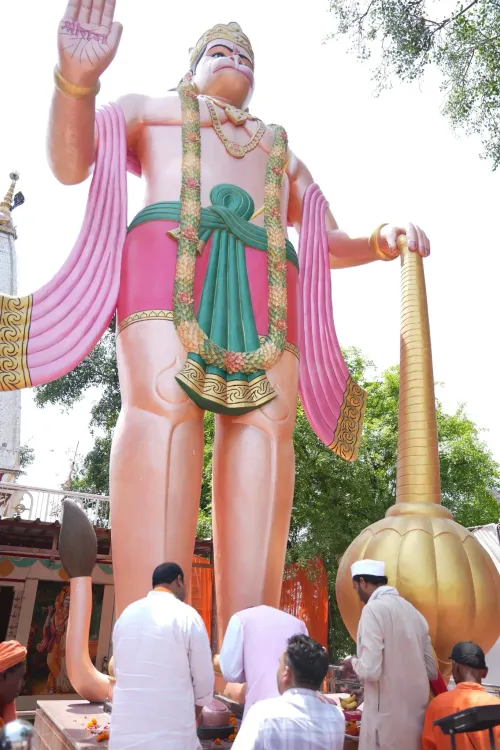
Uttarakhand Chief Minister Pushkar Singh Dhami unveiled statues of Mahadev and Bajrangbali at Bandiya in Khatima on 14 June 2026, reaffirming his government's commitment to protecting the state's Sanatan cultural heritage and religious identity as Devbhoomi.
Key Takeaways
CM Pushkar Singh Dhami unveiled statues of Devadhidev Mahadev and Bajrangbali at Bandiya, Khatima on 14 June 2026 .
Dhami offered prayers for the happiness, prosperity, and progress of all Uttarakhand residents at the event.
The CM described temples and pilgrimage sites as carriers of 'rich culture and Sanatan values,' not merely symbols of devotion.
The Uttarakhand BJP government has committed to the protection and promotion of the state's religious and cultural heritage since 2021 .
Khatima in Udham Singh Nagar district holds strong political significance for CM Dhami, who has deep roots in the region.
The event aligns with the state's broader Devbhoomi branding, which links religious heritage to the tourism economy.
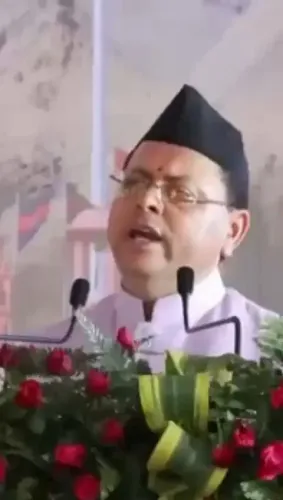
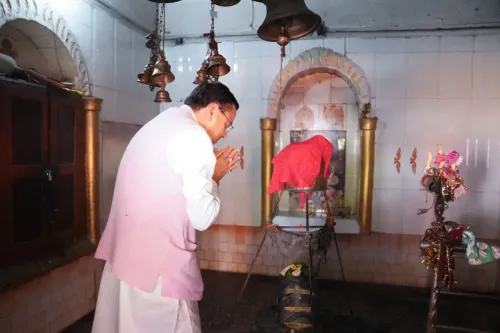
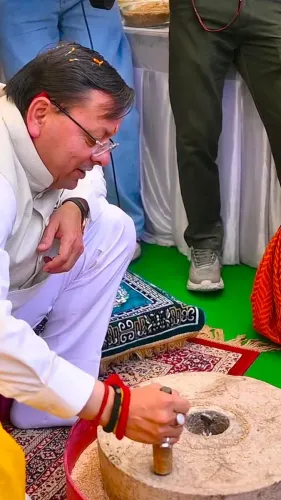
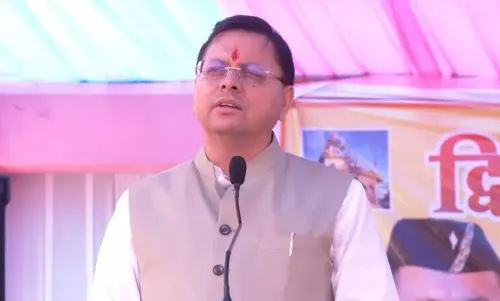
Uttarakhand Chief Minister Pushkar Singh Dhami on Sunday, 14 June 2026 unveiled statues of Devadhidev Mahadev and Prabhu Shri Ram bhakt Bajrangbali at Bandiya in Khatima, offering prayers for the happiness, prosperity, and progress of all residents of the state.
Sharing the occasion on social media, CM Dhami wrote: 'बंडिया (खटीमा) में देवाधिदेव महादेव एवं प्रभु श्रीराम भक्त बजरंगबली की प्रतिमा का अनावरण किया।' ('Unveiled the statues of Devadhidev Mahadev and Prabhu Shri Ram's devotee Bajrangbali at Bandiya, Khatima.') He added that he prayed to the Lord for the well-being and advancement of all people of the state.
Context
Khatima is a town in Udham Singh Nagar district of Uttarakhand, and holds particular significance for CM Dhami, who has strong political roots in the region. The unveiling of religious statues in public spaces is a recurring feature of governance events in the state, combining local community outreach with the broader cultural branding of Uttarakhand as Devbhoomi — the 'Land of the Gods.'
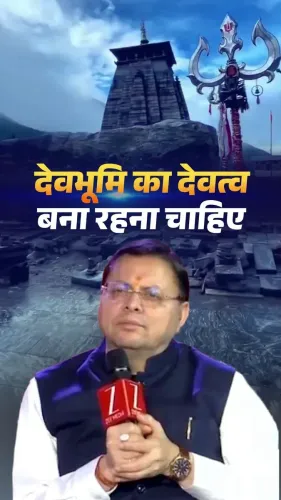
In his post, Dhami also emphasised that the temples, pilgrimage sites, and religious centres of Devbhoomi Uttarakhand are not merely symbols of devotion but are 'carriers of our rich culture and Sanatan values,' and that his government is committed to their protection and promotion.
Policy Backdrop
The Uttarakhand BJP government has consistently positioned cultural and religious heritage preservation as a central pillar of its governance agenda since CM Dhami took office in 2021. The state is home to the Char Dham pilgrimage circuit — comprising Yamunotri, Gangotri, Kedarnath, and Badrinath — which draws millions of pilgrims annually and is a cornerstone of the state's tourism economy.
Infrastructure investment has accompanied this cultural push. The Char Dham Highway project, approved in 2016-17, aimed to improve road connectivity to these major shrines, linking religious access with economic development. Statue installations and public religious events form part of a visible governance toolkit that reinforces the state's Devbhoomi identity.
Stakeholders and Impact
The unveiling directly benefits local communities in Khatima and the surrounding Udham Singh Nagar region by creating a new site of religious and cultural significance. For the broader pilgrimage and tourism sector, such installations contribute to the state's positioning as a premier destination for Hindu devotees across India.
Local residents, religious organisations, and the tourism industry are among the primary stakeholders. The government's stated commitment to the 'protection and promotion' of temples and pilgrimage centres signals continued public investment in religious infrastructure, which also supports livelihoods tied to the sector.
What's Next
Attention will now turn to state budget allocations for temple conservation and any new heritage projects the Dhami government may announce ahead of major pilgrimage seasons, including the Kanwar Yatra. The government's language around 'Sanatan values' and cultural heritage protection is expected to remain a prominent theme in its public communications through the coming months.
As Uttarakhand deepens its identity as Devbhoomi, the integration of religious tourism with infrastructure policy will likely shape the state's economic planning and political messaging in the lead-up to future electoral cycles.
Point of View
Using public religious events to reinforce the state's Devbhoomi brand with constituents. CM Dhami's explicit linkage of temple preservation to 'Sanatan values' mirrors a pattern seen across BJP-governed states, where heritage protection serves simultaneously as cultural policy and political messaging. With pilgrimage seasons driving a significant share of the state's tourism revenue, such events carry economic weight beyond their ceremonial surface. The consistency of this approach suggests it will remain central to the Dhami government's public identity ahead of future electoral tests.
NationPress
14 Sept 2026
Frequently Asked Questions
Where did CM Dhami unveil the statues on 14 June 2026?
CM Pushkar Singh Dhami unveiled the statues of Mahadev and Bajrangbali at Bandiya in Khatima , which is located in Udham Singh Nagar district of Uttarakhand.
What statues were unveiled by Uttarakhand CM Dhami at Khatima?
Dhami unveiled statues of Devadhidev Mahadev (Lord Shiva) and Prabhu Shri Ram bhakt Bajrangbali (Lord Hanuman) at the Bandiya site in Khatima.
What is Devbhoomi Uttarakhand?
Devbhoomi means 'Land of the Gods' and is the official cultural branding of Uttarakhand , reflecting the state's status as home to major Hindu pilgrimage sites including the Char Dham circuit of Yamunotri, Gangotri, Kedarnath, and Badrinath.
What is the Uttarakhand government's policy on religious heritage?
The Uttarakhand BJP government under CM Dhami has committed to the protection and promotion of the state's temples, pilgrimage sites, and religious centres, viewing them as carriers of Sanatan cultural values and drivers of religious tourism.
What is the Char Dham Highway project?
The Char Dham Highway project was approved in 2016-17 to improve road connectivity to Uttarakhand's four major pilgrimage shrines — Yamunotri, Gangotri, Kedarnath , and Badrinath — supporting both pilgrim access and the state's tourism economy.