CM Dhami: Uttarakhand working on women's empowerment, safety
Synopsis
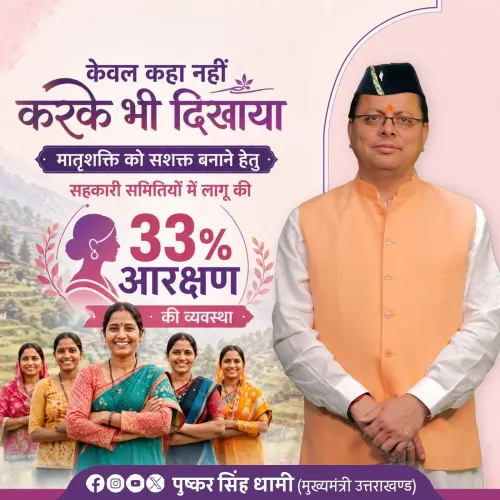
Chief Minister Pushkar Singh Dhami has reaffirmed that the Uttarakhand government is continuously working for the empowerment and protection of women. The statement, posted by the Chief Minister's Office on 4 July 2026, underscores the state's focus on matrishakti welfare amid persistent demographic pressures from male out-migration in the hill state.
Key Takeaways
The Chief Minister's Office of Uttarakhand posted a statement on 4 July 2026 quoting CM Dhami on women's empowerment and safety.
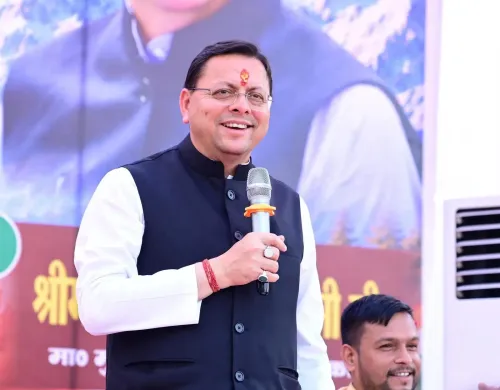
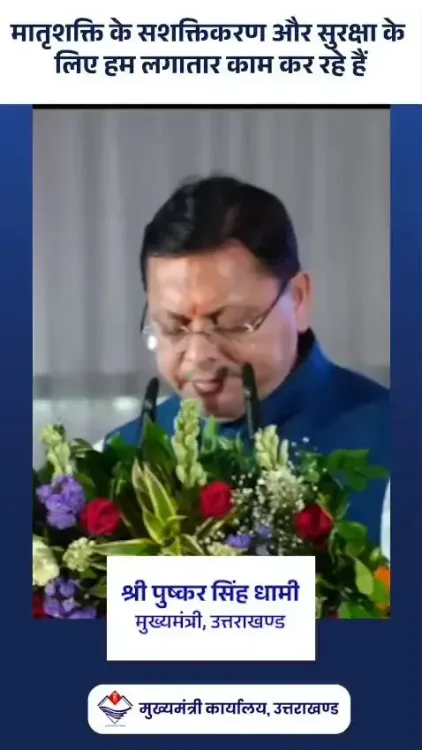
CM Pushkar Singh Dhami said the government is 'continuously working for the empowerment and protection of matrishakti .' The post included a video, indicating the quote was drawn from a public address or official event.
Uttarakhand's high rate of male out-migration makes women's welfare a structurally critical policy area for the state.
The state has previously expanded centrally sponsored schemes including One Stop Centres and Mahila Shakti Kendras for women in distress.
Budget allocations for women and child development in the current fiscal cycle will be a key indicator of policy follow-through.
The Chief Minister's Office of Uttarakhand, on behalf of Chief Minister Pushkar Singh Dhami, posted on 4 July 2026 that the state government is continuously working toward the empowerment and security of women, describing them as matrishakti (mother-force). The statement reaffirms the administration's stated commitment to welfare measures targeting women across the Himalayan state.
Context
The Chief Minister's Office quoted CM Dhami as saying, 'We are continuously working for the empowerment and protection of matrishakti' — a term widely used in Indian political discourse to refer to women as a collective social force. The statement was accompanied by a video, suggesting it was drawn from a public address or official event, though the specific occasion was not named in the post.
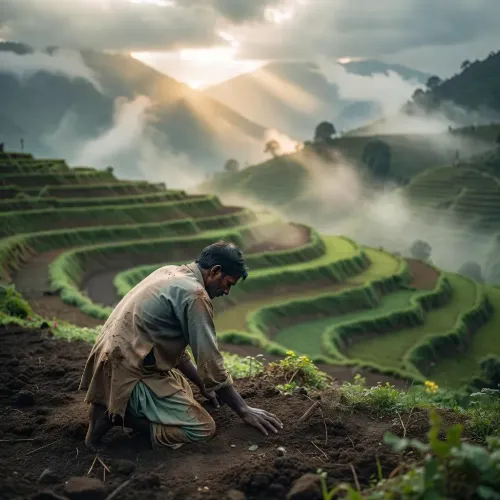
Uttarakhand is a hill state where sustained male out-migration to plains cities has historically placed a disproportionate share of agricultural labour, household management, and community responsibility on women. This demographic reality has made women's welfare a structurally significant policy area for successive state governments.
Policy Backdrop
The Uttarakhand government has, since at least 2017, expanded implementation of centrally sponsored schemes such as One Stop Centres and Mahila Shakti Kendras, which provide women in distress with medical, legal, and psychological support under a single roof. These programmes form the institutional backbone of the state's women-welfare architecture.
At the national level, the Bharatiya Janata Party has consistently aligned state-level messaging on women's empowerment with central priorities including gender-responsive budgeting, the Beti Bachao Beti Padhao campaign, and expanded self-help group networks under NRLM. CM Dhami's statement fits within that broader political and policy pattern.
Stakeholders and Impact
The primary beneficiaries of the government's stated agenda are women across Uttarakhand's 13 districts, particularly in rural and semi-urban hill areas where access to safety infrastructure and economic opportunity remains uneven. Self-help group members, women in distress seeking legal aid, and girls in secondary education are among the groups most directly affected by welfare allocations in this space.
Civil society organisations working on gender issues in the state have long noted that the effectiveness of empowerment schemes depends on last-mile delivery — whether district-level officers, Mahila Shakti Kendras, and local panchayats (village councils) are adequately staffed and funded to translate policy intent into outcomes.
What's Next
Observers will watch the Uttarakhand state budget allocations for the women and child development department in the current fiscal cycle as a concrete measure of the government's commitment. Any announced expansion of safety infrastructure — such as new One Stop Centres, women's helpline upgrades, or self-help group credit linkages — at the district level would give substance to the Chief Minister's statement.
With Uttarakhand continuing to navigate the social consequences of demographic out-migration, sustained institutional investment in women's economic agency and personal security remains both a governance priority and a political signal the ruling party is keen to maintain.
Point of View
The framing carries added political weight because the state's chronic male out-migration creates genuine, visible gaps in women's economic security and safety — making the issue both a governance necessity and an electoral asset. The absence of a specific scheme name, budget figure, or programme milestone in the post means it functions primarily as a commitment signal rather than a policy announcement. The real test will come in departmental budget allocations and verifiable district-level rollouts in the months ahead.
NationPress
4 Jul 2026
Frequently Asked Questions
What did CM Dhami say about women's empowerment in Uttarakhand?
CM Pushkar Singh Dhami stated that the Uttarakhand government is continuously working for the empowerment and protection of women, referring to them as matrishakti . The statement was shared by the Chief Minister's Office on 4 July 2026.
What schemes does Uttarakhand have for women's safety?
Uttarakhand has expanded centrally sponsored schemes including One Stop Centres and Mahila Shakti Kendras , which provide women in distress with medical, legal, and psychological support. These form the core of the state's women-welfare infrastructure.
Why is women's empowerment especially important in Uttarakhand?
Uttarakhand experiences high rates of male out-migration to plains cities, which places a disproportionate share of agricultural labour, household management, and community responsibilities on women. This makes women's welfare a structurally significant policy priority for the state government.
What is matrishakti in Indian politics?
Matrishakti is a Hindi term meaning 'mother-force' or the collective strength of women. It is widely used in Indian political discourse, particularly by BJP-led governments, to frame women as a central force in social and economic development.
What should we watch for next from the Uttarakhand government on women's welfare?
Key indicators to watch include the state budget allocation for the women and child development department in the current fiscal cycle, and any announced expansion of safety infrastructure such as new One Stop Centres or self-help group credit linkages at the district level.