CM Dhami Vows to Modernise Char Dham Yatra Infrastructure
Synopsis
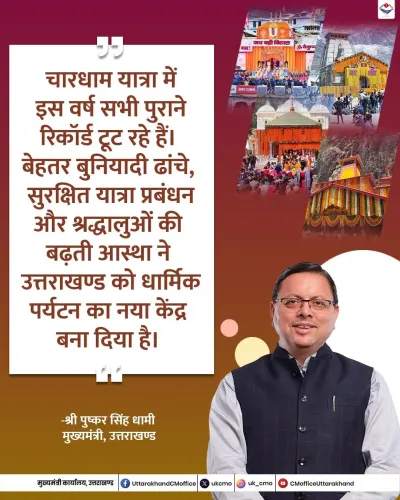
Uttarakhand CM Pushkar Singh Dhami has pledged to make the annual Char Dham Yatra more accessible through modern infrastructure, improved facilities, and stronger pilgrimage management, reaffirming the state's commitment to its sacred pilgrimage circuit.
Key Takeaways
CM Pushkar Singh Dhami posted on 24 October 2026 reaffirming his government's resolve to upgrade Char Dham Yatra infrastructure.
The Char Dham circuit — Yamunotri, Gangotri, Kedarnath and Badrinath — is among India's most visited pilgrimage routes, with pilgrim numbers rising every year.
The Char Dham Mahamarg Pariyojana , approved in 2016 , laid the foundation for all-weather road upgrades connecting the four shrines.
Dhami cited modern amenities, better systems, and robust yatra management as the three pillars of his administration's approach.
The statement is likely a precursor to specific facility or protocol announcements ahead of the 2027 yatra season .
Uttarakhand's local economy — guides, transport, hospitality — is directly tied to the yatra's infrastructure quality and visitor volume.
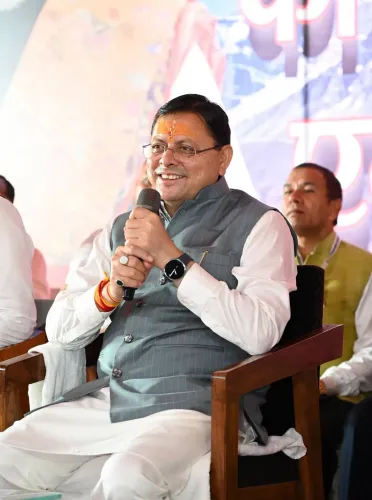
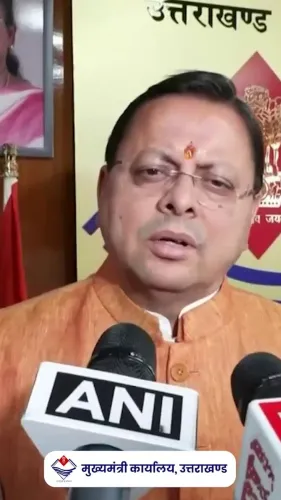
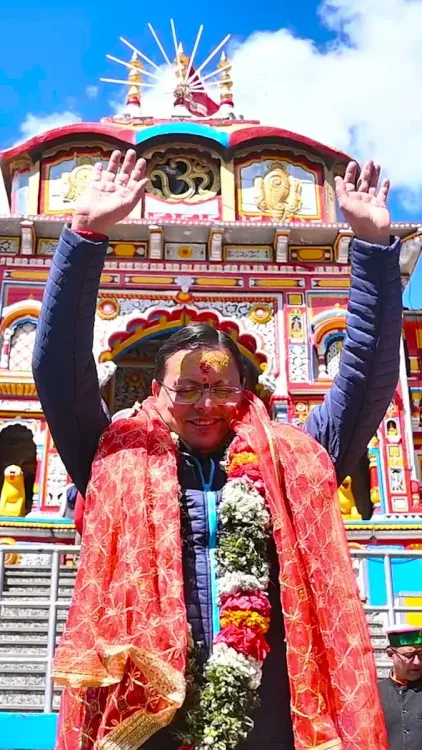
Millions of pilgrims trek to Uttarakhand's four sacred shrines every year — and Uttarakhand Chief Minister Pushkar Singh Dhami wants every single one of that journey to be smoother, safer, and more spiritually fulfilling. On Saturday, 24 October 2026, Dhami took to X to reaffirm his government's commitment to upgrading the Char Dham Yatra — one of Hinduism's most revered pilgrimage circuits.
Writing in Hindi, Dhami described the Char Dham Yatra as 'the spiritual identity of Devbhoomi Uttarakhand and the symbol of the unbreakable faith of crores of devotees.' He pointed to the year-on-year rise in pilgrim numbers as proof of both deep religious devotion and the warm hospitality of the people of the hill state. His stated resolve: deploy modern amenities, better systems, and robust yatra management so that devotees can experience 'the divinity and spiritual heritage of Devbhoomi with ease.'
The Four Shrines at the Heart of a Himalayan Mission
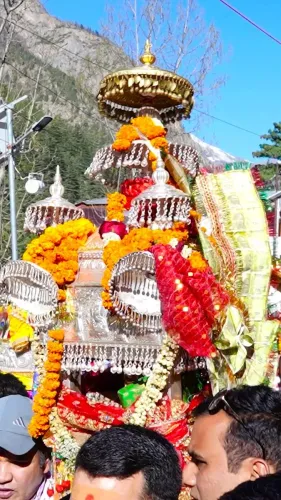
The Char Dham — Yamunotri, Gangotri, Kedarnath and Badrinath — sit at high altitudes across the Garhwal Himalayas and open for worship for only a few months each year, typically between April and November. The circuit draws pilgrims from across India and beyond, making it one of the country's most consequential religious tourism corridors. Uttarakhand's formal identity as Devbhoomi — 'Land of the Gods' — is inseparable from it.
The logistical challenge is formidable. Narrow mountain roads, unpredictable weather, and a compressed pilgrimage season mean that even a modest surge in footfall can strain infrastructure to its limits. The memory of the 2013 Kedarnath floods, which devastated the region and claimed thousands of lives, has cast a long shadow over how planners think about crowd management and emergency preparedness on these routes.
Char Dham Mahamarg Pariyojana and the Road-Widening Drive
The infrastructure push Dhami is referencing has roots stretching back to 2016, when the Char Dham Mahamarg Pariyojana was approved to widen and upgrade the arterial roads connecting the four shrines. The project aimed to bring all-weather connectivity to routes that were previously single-lane, accident-prone, and often severed by landslides during the monsoon.
Alongside road work, state and central agencies have pushed ropeway projects and digitalised registration and crowd-management systems at key dhams — particularly at Kedarnath, which remains the busiest and most logistically complex of the four. Dhami's government has framed this as a continuum: each successive yatra season is treated as a benchmark to beat on pilgrim numbers, incident response time, and visitor experience.
Why the Next Season Will Be the Real Test
Statements like Saturday's are not mere ceremonial affirmations — they tend to precede specific announcements about new facilities or protocols ahead of the following year's season opening. The question now is what concrete measures the Dhami administration tables before the 2027 yatra season begins. Ropeway expansion, digital queuing, medical post upgrades, and helicopter service scaling are all areas that have drawn attention in previous seasons.
Uttarakhand's religious tourism economy is deeply tied to the yatra's performance. Local guides, hotel owners, transport operators, and traders in every town on the pilgrimage belt depend on it. A smoother yatra is not just a spiritual promise — it is an economic one.
The chief minister has drawn the line. Now the mountain season will hold him to it.
Point of View
The Char Dham circuit is simultaneously a spiritual obligation, a tourism revenue engine, and a political signal to a devout voter base. The recurring annual cadence of such statements, typically preceding new-season announcements, suggests this is less a standalone pledge and more a chapter in an ongoing policy narrative. Whether the 2027 season produces measurable gains in safety, capacity, and pilgrim experience will determine how much political capital Dhami can ultimately draw from this promise.
NationPress
24 Oct 2026
Frequently Asked Questions
What is the Char Dham Yatra?
The Char Dham Yatra is an annual Hindu pilgrimage to four sacred shrines in Uttarakhand — Yamunotri, Gangotri, Kedarnath, and Badrinath — located in the Garhwal Himalayas and open for worship for a few months each year.
What has CM Dhami promised for the Char Dham Yatra?
CM Pushkar Singh Dhami has pledged to make the Char Dham Yatra more convenient through modern amenities, improved organisational systems, and stronger pilgrimage management so devotees can experience Uttarakhand's spiritual heritage with ease.
What is the Char Dham Mahamarg Pariyojana?
The Char Dham Mahamarg Pariyojana is a road-widening and all-weather connectivity project approved in 2016 to upgrade the arterial roads linking the four pilgrimage shrines in Uttarakhand.
Why is Char Dham Yatra infrastructure important for Uttarakhand?
The yatra is both a spiritual obligation for crores of devotees and the backbone of Uttarakhand's local economy, sustaining livelihoods in transport, hospitality, and trade across the entire pilgrimage belt.
When does the Char Dham Yatra season open?
The Char Dham Yatra typically opens between April and May each year, with shrines remaining accessible until October or November before closing for the winter due to heavy snowfall at high altitudes.