CM Dhami Vows to Guard Uttarakhand's Cultural Identity
Synopsis
Uttarakhand Chief Minister Pushkar Singh Dhami on 19 June 2026 declared his government's resolve to protect the state's Sanatan traditions and cultural heritage, warning of full alertness to uncontrolled demographic change and encroachment threatening Devbhoomi's identity. Cabinet Minister Madan Kaushik was present at the event.
Key Takeaways
CM Pushkar Singh Dhami on 19 June 2026 publicly pledged to protect Uttarakhand's Sanatan traditions, religious faith, and cultural heritage.
The government stated it is 'fully alert' to uncontrolled demographic change, encroachment, and tendencies affecting the original character of Devbhoomi .
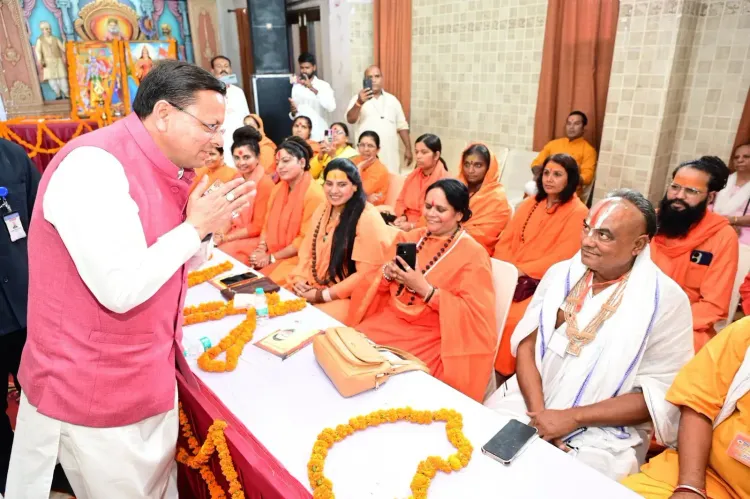
Cabinet Minister Madan Kaushik was present at the occasion where the statement was made.
In February 2024 , Uttarakhand became the first Indian state to enact a Uniform Civil Code for all residents.
State orders in 2022–2023 directed removal of illegal constructions near riverbanks and temple lands in districts including Uttarkashi and Chamoli .
Possible land-law amendments or demographic-survey proposals may be tabled in the next Uttarakhand state assembly session .
Uttarakhand Chief Minister Pushkar Singh Dhami on Friday, 19 June 2026 issued a pointed public statement asserting that his government is fully alert to 'uncontrolled demographic change, encroachment, and any tendency that affects the original character of Devbhoomi,' pledging to protect the state's Sanatan traditions, religious faith, and cultural heritage. Cabinet Minister Madan Kaushik was present at the occasion.
Context
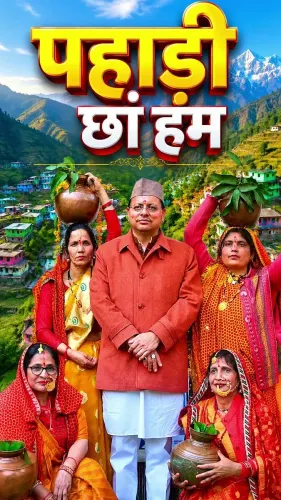
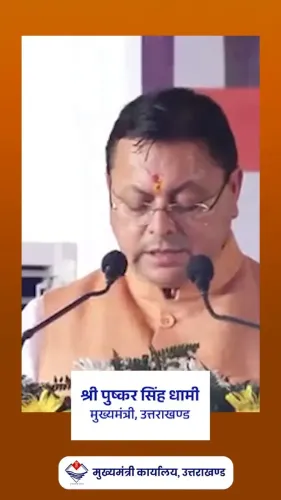
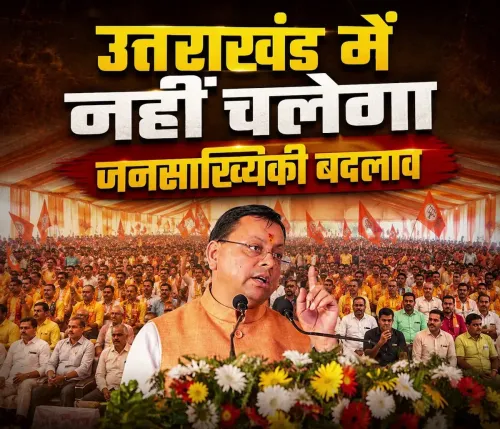
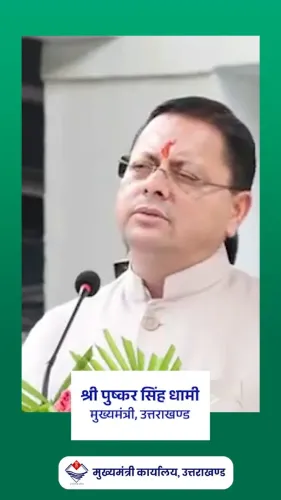
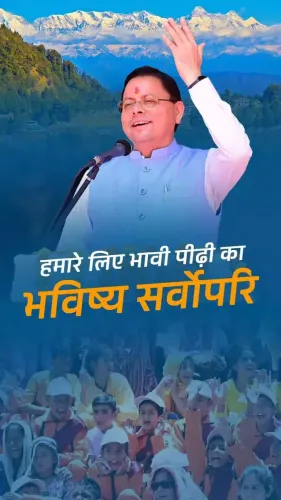
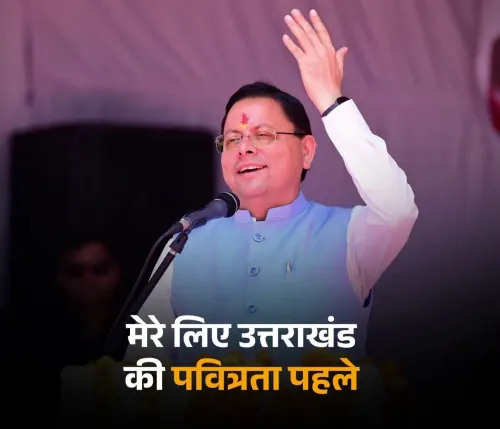
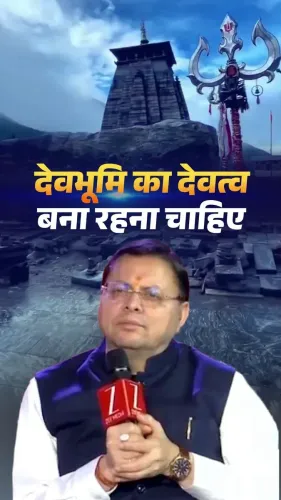
Dhami posted in Hindi, describing Uttarakhand's cultural and religious identity as an 'invaluable heritage' (amulya dharohar). The statement signals continued governmental vigilance against what the ruling dispensation characterises as threats to the state's demographic and religious fabric. The post was accompanied by four images from the event.
The phrase 'Devbhoomi' — meaning 'Land of the Gods' — is the popular designation for Uttarakhand, home to major Hindu pilgrimage circuits including Haridwar, Rishikesh, and the Char Dham yatra routes. The CM's invocation of the term underscores the religious framing of the state's identity that his government has consistently emphasised since 2021.
Policy Backdrop
The statement fits within a broader legislative and administrative pattern. In February 2024, Uttarakhand became the first Indian state to enact a Uniform Civil Code, applicable to all residents regardless of religion — a landmark move championed by CM Dhami as central to his government's identity-protection agenda.
Between 2022 and 2023, state government orders directed the removal of illegal constructions and encroachments on riverbanks and temple-adjacent lands in districts such as Uttarkashi and Chamoli. Friday's remarks suggest the administration intends to sustain and potentially deepen that enforcement posture.
Stakeholders and Impact
Local hill communities and Hindu religious institutions are the primary constituencies addressed by the government's cultural-preservation messaging. For pilgrimage-dependent economies across the state, policy continuity on land use and religious-site protection has direct commercial and social implications.
The Uttarakhand BJP government's position mirrors comparable rhetoric and measures in other BJP-ruled Himalayan and north-eastern states, where administrations have tightened land-transfer rules and monitored conversion-related complaints. Critics argue such framing risks marginalising minority communities; the government maintains it is a constitutional obligation to protect the state's defined character.
What's Next
Observers will watch the next Uttarakhand state assembly session for possible tabling of land-law amendments or demographic-survey proposals. Revenue department officials may announce follow-up district-level anti-encroachment drives in the coming weeks.
With the Char Dham pilgrimage season drawing hundreds of thousands of visitors annually, any legislative or administrative action on land use and demographic monitoring will carry significant political and economic weight for the state heading into the next electoral cycle.
Point of View
This signals the government is sustaining cultural-identity politics as a long-term governing philosophy rather than a campaign-season posture. The explicit mention of 'uncontrolled demographic change' echoes language deployed in other BJP-governed states, suggesting a coordinated national framing around demographic anxieties in religiously significant territories. Whether this translates into concrete new legislation or remains rhetorical consolidation will be the key test in the next assembly session.
NationPress
18 Sept 2026
Frequently Asked Questions
What did CM Pushkar Singh Dhami say about Uttarakhand's cultural identity?
CM Dhami stated on 19 June 2026 that his government is fully alert to uncontrolled demographic change, encroachment, and any tendency affecting Devbhoomi's original character, and that the government is firmly resolved to protect Uttarakhand's Sanatan traditions, religious faith, and cultural heritage.
What is Devbhoomi and why is it significant?
Devbhoomi, meaning 'Land of the Gods,' is the popular designation for Uttarakhand, home to major Hindu pilgrimage sites including Haridwar, Rishikesh, and the Char Dham yatra routes, making its religious and cultural character a central political issue in the state.
Has the Uttarakhand government taken previous action on encroachment and cultural protection?
Yes. Between 2022 and 2023, state government orders directed removal of illegal constructions on riverbanks and temple-adjacent lands in districts such as Uttarkashi and Chamoli. In February 2024, Uttarakhand also became the first Indian state to enact a Uniform Civil Code.
Who is Madan Kaushik and why was he present?
Madan Kaushik is a BJP cabinet minister in the Uttarakhand government who frequently accompanies CM Dhami at events related to state policy and cultural matters; he was present at the occasion referenced in the 19 June 2026 post.
What policy actions could follow CM Dhami's statement on demographic change?
Analysts are watching the next Uttarakhand state assembly session for possible land-law amendments or demographic-survey proposals, as well as follow-up district-level anti-encroachment drives by the revenue department.