CM Dhami Vows to Reach Last-Mile Beneficiaries in Uttarakhand
Synopsis
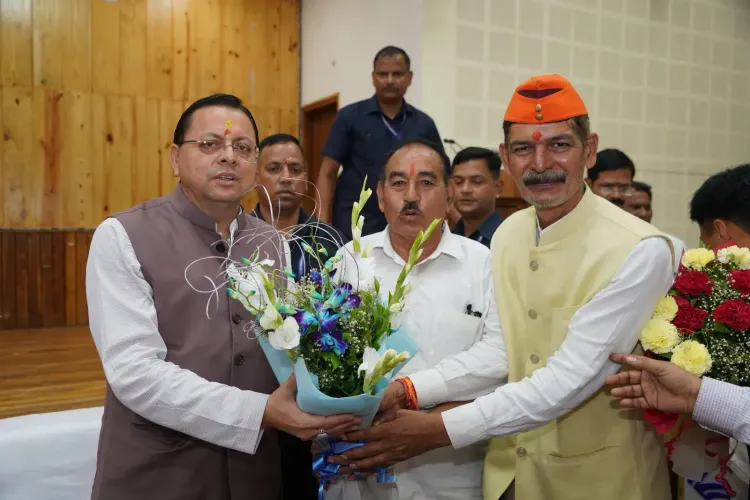
Uttarakhand CM Pushkar Singh Dhami on 2 August 2026 reaffirmed a collective resolve to deliver welfare scheme benefits to the last person in society and build a capable, self-reliant Uttarakhand, invoking the BJP's long-standing Antyodaya and Atmanirbhar frameworks.
Key Takeaways
Pushkar Singh Dhami , Chief Minister of Uttarakhand , posted on 2 August 2026 reaffirming last-mile welfare delivery as a core governance priority.
He pledged that development and public welfare scheme benefits must reach 'the person standing at the last edge of society.' The statement invokes the Antyodaya philosophy central to BJP governance since 2014 and mirrors the national Atmanirbhar Bharat framework launched in 2020 .
Uttarakhand's mountainous geography makes last-mile delivery structurally harder than in plain states, heightening the stakes of the commitment.
Such statements typically accompany scheme reviews; quarterly welfare utilisation reports will be the concrete test of follow-through.
The promise is deceptively simple — but its execution has defined the political fortunes of governments across India: make sure welfare actually reaches the person standing at the very end of the line. Uttarakhand Chief Minister Pushkar Singh Dhami renewed that commitment on Sunday, 2 August 2026, posting a resolve to accelerate inclusive development and build a 'capable, prosperous, and self-reliant Uttarakhand.'
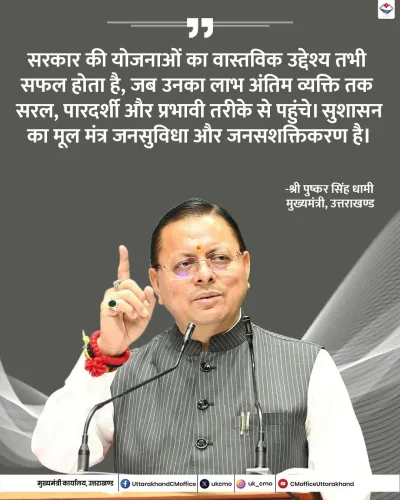
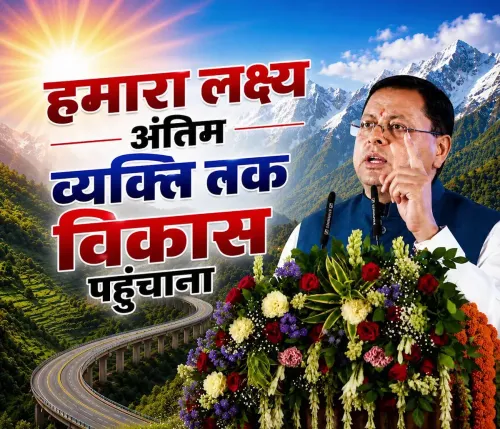
In his post, CM Dhami wrote: 'हम सभी का साझा संकल्प है कि विकास और जनकल्याण की योजनाओं का लाभ समाज के अंतिम छोर पर खड़े व्यक्ति तक पहुंचे' — 'It is our collective resolve that the benefits of development and public welfare schemes reach the person standing at the last edge of society' — and that the mission of building a 'strong, prosperous, and self-reliant Uttarakhand' gains fresh momentum.
The Antyodaya Thread Running Through BJP Governance
The language Dhami used is not accidental. The Antyodaya philosophy — 'uplift the last person first' — has been a load-bearing pillar of BJP governance messaging since 2014, invoked from the Prime Minister's Independence Day addresses down to state-level scheme reviews. Pairing it with Atmanirbhar (self-reliance) echoes the national economic framework launched in 2020, now embedded in how BJP chief ministers frame welfare delivery to their constituencies.
Uttarakhand, carved out as a separate hill state in 2000, presents a particularly sharp last-mile challenge: dispersed mountain villages, seasonal road closures, and a large migrant population mean that welfare infrastructure must work harder here than on the plains. Closing that gap between scheme design and actual delivery has been a recurring policy pressure for successive governments in Dehradun.
Resolve as Signal — What Follows Matters More
Statements of this kind from chief ministers typically accompany routine scheme reviews or administrative meetings rather than fresh policy announcements. The real measure will come in quarterly utilisation reports on Uttarakhand's welfare schemes — numbers that will either validate the resolve or expose the gap between intent and execution. Watchers of hill-state governance will track whether this post precedes any specific last-mile delivery mechanism update from the state government.
For a state where geography itself is an obstacle to equity, the chief minister's words carry weight only if the next headline is about delivery — not declaration.
Point of View
Where geography structurally disadvantages the poor, the gap between such declarations and measurable delivery is the central political vulnerability. The post signals no new scheme or budget line, making it a positioning statement ahead of what could be a scheme-review cycle or administrative outreach drive. Its real significance will be determined by what administrative action, if any, it precedes.
NationPress
2 Aug 2026
Frequently Asked Questions
What did Uttarakhand CM Pushkar Singh Dhami say in his August 2026 post?
CM Dhami reaffirmed a collective resolve to ensure welfare and development scheme benefits reach the last person in society and to give fresh momentum to building a strong, prosperous, and self-reliant Uttarakhand.
What is the Antyodaya approach mentioned in the context of BJP governance?
Antyodaya means 'uplift the last person first' and has been a stated priority of BJP governments at the centre and in states since 2014, focusing welfare delivery on the most marginalised citizens.
What does 'Atmanirbhar' mean and how does it relate to Uttarakhand's development?
Atmanirbhar means self-reliance. The Atmanirbhar Bharat framework was launched nationally in 2020 and has since been mirrored by BJP-led state governments, including Uttarakhand, as a framing for inclusive economic growth.
Why is last-mile welfare delivery particularly challenging in Uttarakhand?
Uttarakhand is a hill state with dispersed mountain villages, seasonal road closures, and a large migrant population, making it structurally harder to deliver welfare benefits compared to plain states.
When was Uttarakhand formed as a separate state?
Uttarakhand was carved out as a separate state in the year 2000, with a continued focus on hill development and welfare delivery ever since.