CM Dhami's self-employment push drives reverse migration in Uttarakhand
Synopsis
The Chief Minister's Office of Uttarakhand says CM Pushkar Singh Dhami's self-employment schemes are driving reverse migration to remote villages, with Uttarkashi highlighted as a beneficiary district under the flagship Mukhyamantri Swarozgar Yojana.
Key Takeaways
The Chief Minister's Office of Uttarakhand posted on 7 July 2026 that CM Dhami's self-employment schemes are showing impact in remote villages.
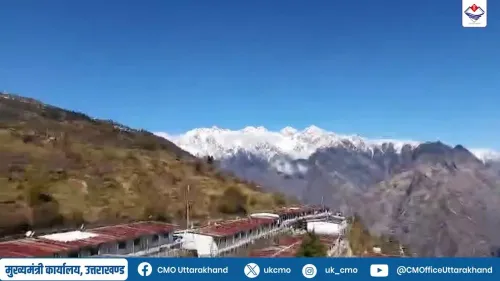
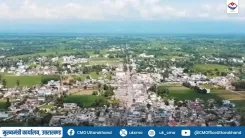
Uttarkashi , a remote high-altitude district bordering China and Himachal Pradesh, was specifically cited as a beneficiary area.
The Mukhyamantri Swarozgar Yojana offers subsidised loans and skill training to encourage rural youth and returning migrants to stay in hill districts.
The Dhami government expanded the scheme after 2021 with higher subsidy ceilings and credit-linkage targets for hill districts.
Uttarakhand's approach mirrors similar reverse-migration initiatives in Himachal Pradesh and Jammu and Kashmir .
Independent verification of the scale and sustainability of reverse migration in the state is still evolving.
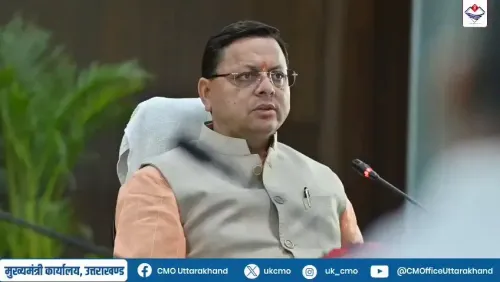
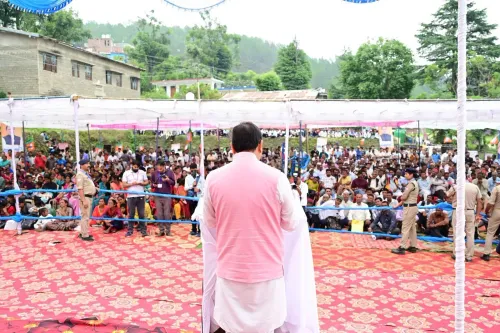
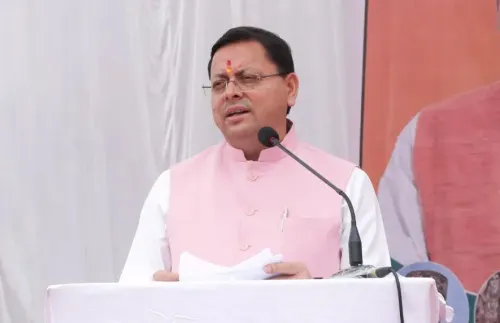
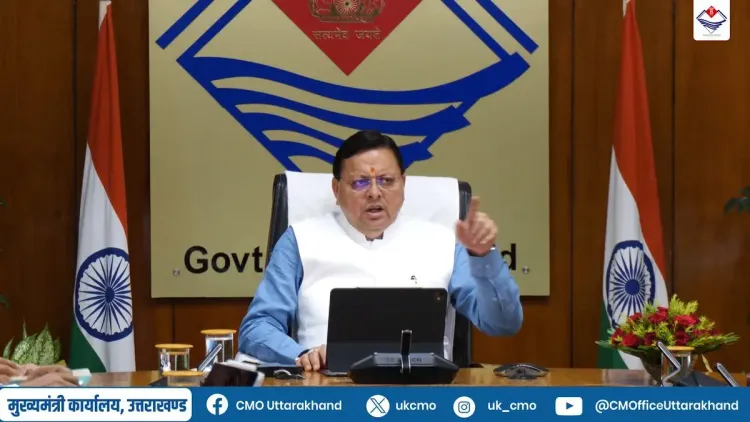
The Chief Minister's Office of Uttarakhand on Tuesday, 7 July 2026, highlighted that Chief Minister Pushkar Singh Dhami's self-employment schemes are showing visible results in remote villages of the state, with residents returning to their home districts driven by welfare programmes — a trend described as reverse migration.
The post, shared in Hindi, states: 'Mukhyamantri Shri Pushkar Singh Dhami ki swarozgar yojanaon ka asar Uttarakhand ke doorasth gaanvon tak dikhai de raha hai' ['The impact of Chief Minister Pushkar Singh Dhami's self-employment schemes is now visible in the remote villages of Uttarakhand'], adding that people inspired by welfare programmes are undertaking reverse migration. The post specifically tags Uttarkashi, a high-altitude district in northern Uttarakhand bordering Himachal Pradesh and China.
Context
Uttarakhand has historically faced one of the steepest rural depopulation rates among Indian hill states, with thousands of families from districts like Uttarkashi, Chamoli, and Pithoragarh relocating to plains cities in search of employment. The phenomenon has left hundreds of villages partially or wholly abandoned, straining local agriculture and community infrastructure. Successive state governments have identified out-migration as a structural challenge requiring targeted economic intervention. The COVID-19 pandemic between 2020 and 2022 accelerated this dynamic in reverse — large numbers of migrants returned to their home villages after urban job losses, creating a temporary but significant reverse-migration wave that state policy has since sought to sustain.Policy Backdrop
The Mukhyamantri Swarozgar Yojana is the flagship self-employment programme of the Uttarakhand government, offering subsidised loans and skill training to youth and returnees to help them establish local enterprises. Under the Dhami government, which took office in 2021, the scheme was expanded with increased subsidy ceilings and enhanced credit-linkage targets specifically aimed at encouraging people to stay in or return to hill villages. The 2022-23 state budget allocated additional funds for rural enterprise clusters in hill districts, with Uttarkashi among the priority areas under the broader reverse-migration policy framework. The approach mirrors similar credit-linked self-employment initiatives adopted by Himachal Pradesh and Jammu and Kashmir in the same period, reflecting a wider Himalayan-state consensus on combining subsidised finance with local skill development.Stakeholders and Impact
The primary beneficiaries of these schemes are returning migrants and rural youth who might otherwise leave for cities. For Uttarkashi — a district characterised by difficult terrain, limited road connectivity, and historically high out-migration — any sustained reversal of demographic decline carries significance for local agriculture, tourism, and community services. Broader patterns across Indian hill states suggest that self-employment and credit-linked schemes since 2020 have shown early promise in slowing out-migration, though analysts note that the sustainability of such trends depends on consistent scheme implementation and the availability of viable local markets for rural enterprises. Independent verification of the scale and durability of reverse migration in Uttarakhand remains an area where official data and ground-level assessment continue to evolve.What's Next
Attention will now turn to the next round of scheme utilisation data expected from Uttarakhand's rural development department, which would provide a clearer quantitative picture of beneficiary outreach and enterprise creation under the Mukhyamantri Swarozgar Yojana. Any migration-related questions raised during the upcoming state assembly session are also likely to test the government's claims with district-level numbers. The trajectory of CM Dhami's self-employment push will be closely watched as a potential model for other hill states grappling with the same demographic pressures.Point of View
One of Uttarakhand's most remote and symbolically significant border districts, the communication seeks to project reach beyond accessible areas. The framing of reverse migration as scheme-driven, rather than as a residual effect of post-pandemic urban job scarcity, is a political choice that will face scrutiny when official utilisation data is published. Ultimately, the durability of this trend will determine whether the Mukhyamantri Swarozgar Yojana becomes a genuine policy landmark or remains a recurring campaign talking point.
NationPress
7 Jul 2026
Frequently Asked Questions
What is the Mukhyamantri Swarozgar Yojana in Uttarakhand?
The Mukhyamantri Swarozgar Yojana is Uttarakhand's flagship self-employment scheme that provides subsidised loans and skill training to rural youth and returning migrants to help them set up local enterprises and reduce out-migration from hill districts.
What is reverse migration in Uttarakhand?
Reverse migration in Uttarakhand refers to the trend of people who had moved to plains cities for work returning to their native hill villages, a phenomenon accelerated by COVID-19 job losses and now being encouraged through state self-employment schemes under CM Pushkar Singh Dhami.
Why is Uttarkashi significant for Uttarakhand's reverse migration drive?
Uttarkashi is a remote, high-altitude district bordering China and Himachal Pradesh with historically high out-migration rates. It has been prioritised under the state's rural enterprise and reverse-migration policy framework, making it a key test case for the government's welfare schemes.
What has CM Pushkar Singh Dhami done to address out-migration in Uttarakhand?
Since taking office in 2021, CM Dhami has expanded the Mukhyamantri Swarozgar Yojana with higher subsidies and credit-linkage targets, and the 2022-23 state budget allocated additional funds for rural enterprise clusters in hill districts to encourage people to stay in or return to villages.
Are other hill states running similar reverse migration schemes?
Yes, states including Himachal Pradesh and Jammu and Kashmir have adopted comparable credit-linked self-employment and skill-training programmes since 2020, reflecting a broader Himalayan-state policy consensus on countering long-term rural depopulation.