CM Fadnavis Briefs Media on Narmada Water Pact, PM-KUSUM in Delhi
Synopsis
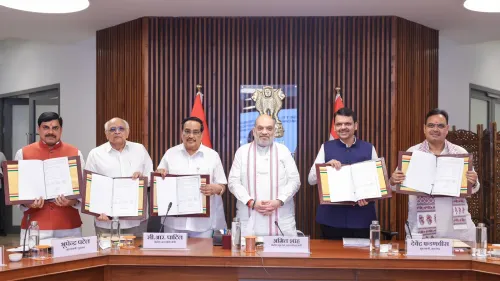
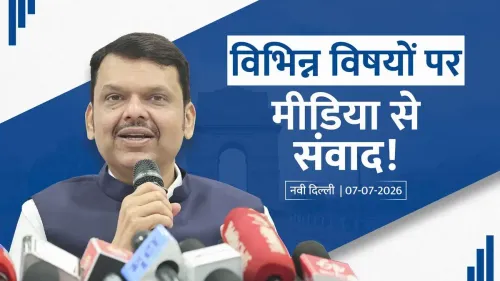
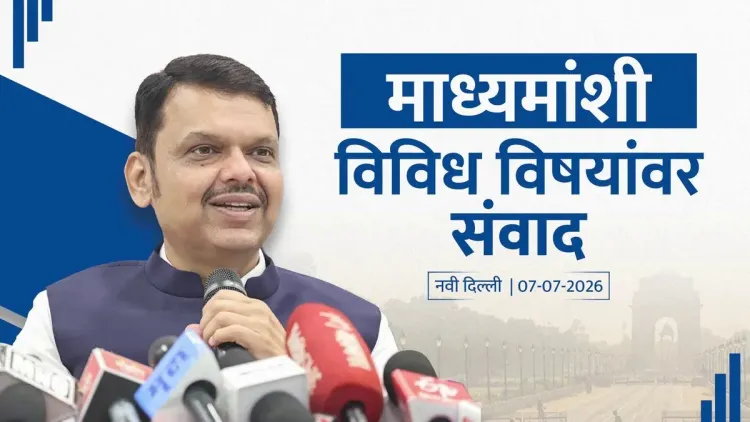
Maharashtra CM Devendra Fadnavis addressed media in New Delhi on 7 July 2026, announcing a historic agreement on Narmada Project water sharing and discussing PM-KUSUM solar pump scheme implementation for the state's farmers.
Key Takeaways
CM Devendra Fadnavis held a media briefing in New Delhi on 7 July 2026 on multiple policy matters.
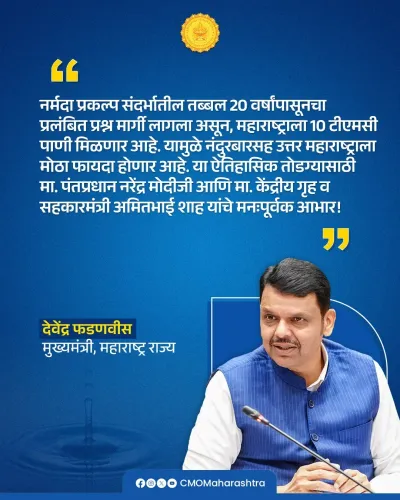
A 'historic agreement' on Narmada Project water allocation was cited as a key outcome of the Delhi visit.
The PM-KUSUM scheme , aimed at solarising agricultural pumps for farmers, was also discussed at the briefing.
The Narmada River is shared by four states — Maharashtra, Madhya Pradesh, Gujarat, and Rajasthan — under a 1979 tribunal award .
PM-KUSUM was approved by the Union Cabinet in 2019 to cut diesel dependence and groundwater stress in agriculture.
State-level implementation guidelines and district-wise targets are expected as the next step in both policy areas.
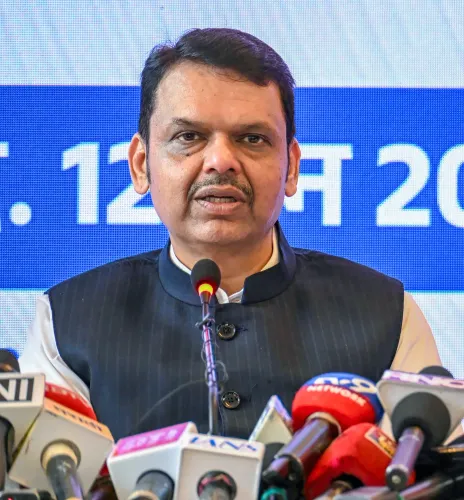
Maharashtra Chief Minister Devendra Fadnavis addressed the media in New Delhi on 7 July 2026, briefing journalists on a described 'historic agreement' on Narmada Project water sharing and the implementation of the PM-KUSUM scheme, among other subjects.
Context
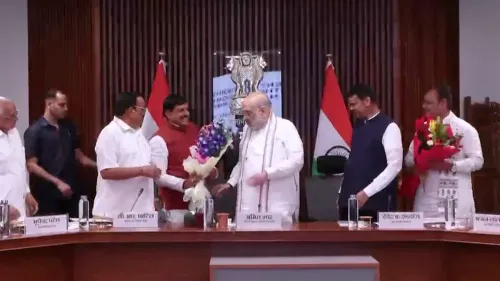
Fadnavis posted on X confirming the media interaction, describing it as a briefing on नर्मदा प्रकल्पाच्या पाण्याबाबत झालेली ऐतिहासिक सहमती ('the historic agreement reached on the water of the Narmada Project') alongside discussions on the PM-KUSUM scheme and various other topics. The interaction took place in New Delhi, signalling that the development involved central-government coordination.
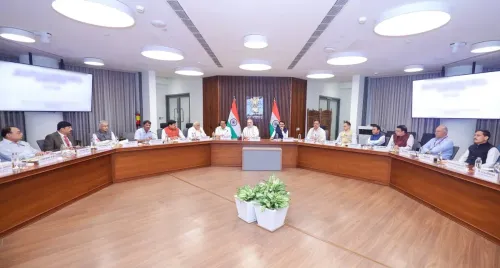
The Narmada River is an interstate waterway shared by Maharashtra, Madhya Pradesh, Gujarat, and Rajasthan. Any revision or implementation protocol touching on water shares necessarily involves multiple state governments and the Union government.
Policy Backdrop
The framework governing Narmada water allocation traces back to the Narmada Water Disputes Tribunal award of 1979, which apportioned shares among the riparian states for irrigation, drinking water, and hydropower purposes. Periodic negotiations between states have been required to reconcile competing demands as populations and agricultural footprints have grown.
The PM-KUSUM (Pradhan Mantri Kisan Urja Suraksha evam Utthaan Mahabhiyan) scheme was approved by the Union Cabinet in 2019 to solarise agricultural pumps, install standalone solar units, and set up grid-connected solar power plants on farmers' land. The scheme directly targets reduction of groundwater stress and diesel dependence in the farm sector. Maharashtra has been among the states rolling out district-level targets under the programme.
Stakeholders and Impact
Maharashtra's farming communities stand at the centre of both policy threads. An agreement on Narmada water could expand the volume or reliability of irrigation supply available to districts in the state's water-scarce regions. Simultaneously, PM-KUSUM expansion offers farmers a path to cheaper, cleaner pump irrigation independent of grid availability.
The other Narmada riparian states — Madhya Pradesh, Gujarat, and Rajasthan — are also direct stakeholders in any renegotiation or new implementation protocol touching the river's water shares. Details of the agreement's signatories and precise terms had not been independently confirmed at the time of publication.
What's Next
State-level implementation guidelines stemming from the Narmada agreement, and district-wise PM-KUSUM targets for Maharashtra, are expected to be the immediate follow-through actions. The New Delhi setting of Tuesday's briefing suggests further coordination with central ministries — likely the Ministry of Jal Shakti and the Ministry of New and Renewable Energy — before state-level rollout begins.
How quickly Maharashtra translates both the water-sharing accord and the solar-pump push into on-ground infrastructure will determine the real benefit for the state's agricultural sector in the coming seasons.
Point of View
Demonstrating tangible progress on both a long-contested interstate river dispute and a flagship central scheme reinforces alignment between the state and Union governments. The durability of this political dividend will depend on how swiftly the agreement translates into water reaching fields and solar pumps reaching farmers.
NationPress
7 Jul 2026
Frequently Asked Questions
What is the Narmada Project water agreement announced by CM Fadnavis?
CM Devendra Fadnavis described a 'historic agreement' on Narmada Project water sharing during a media briefing in New Delhi on 7 July 2026. The precise terms and signatories of the agreement had not been independently confirmed at the time of publication.
Which states share Narmada River water under the tribunal award?
The Narmada Water Disputes Tribunal's 1979 award allocates shares of the river's water among four riparian states: Maharashtra, Madhya Pradesh, Gujarat, and Rajasthan.
What is the PM-KUSUM scheme and how does it help Maharashtra farmers?
PM-KUSUM (Pradhan Mantri Kisan Urja Suraksha evam Utthaan Mahabhiyan) is a central scheme approved in 2019 that solarises agricultural pumps and installs solar power plants on farmers' land, reducing dependence on diesel and the electricity grid for irrigation.
Why did CM Fadnavis hold this media briefing in New Delhi and not Mumbai?
The New Delhi location indicates the discussions involved central government coordination, likely with ministries such as Jal Shakti and New and Renewable Energy, before state-level implementation of the Narmada accord and PM-KUSUM targets begins.
What happens next after the Narmada water agreement?
State-level implementation guidelines and district-wise PM-KUSUM targets for Maharashtra are the expected next steps, with further coordination between the Maharashtra government and relevant Union ministries anticipated.