CM Fadnavis Chairs Flood Review at Maharashtra SEOC
Synopsis
Chief Minister Devendra Fadnavis chaired a detailed review of excessive rainfall at Maharashtra's State Emergency Operation Centre at Mantralaya on 7 July 2026, with Minister Girish Mahajan and senior officials present, as the state activated its standard monsoon disaster response framework.
Key Takeaways
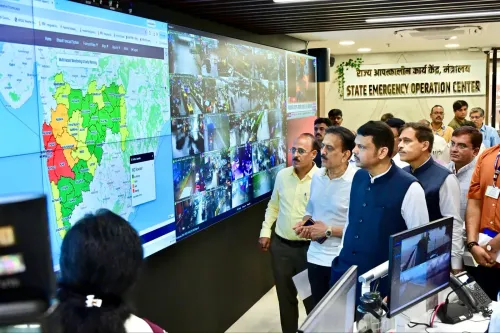
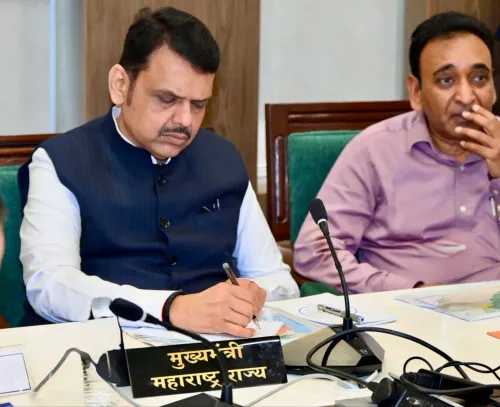
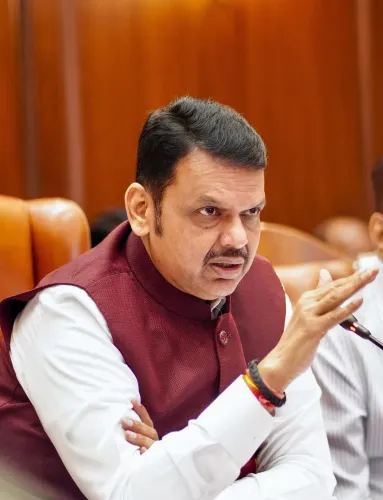
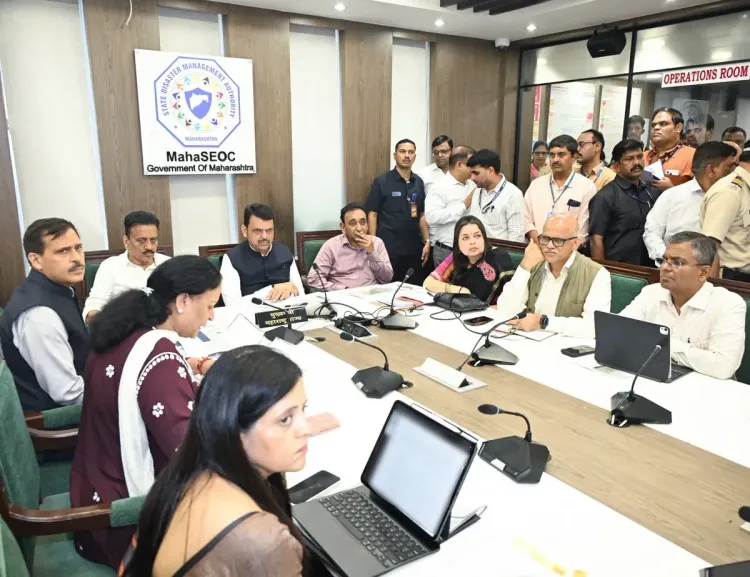
CM Devendra Fadnavis chaired a detailed review meeting on excessive rainfall at the State Emergency Operation Centre, Mantralaya, Mumbai on 7 July 2026 at 12:35 pm .
Minister Girish Mahajan and senior state government officials attended the meeting.
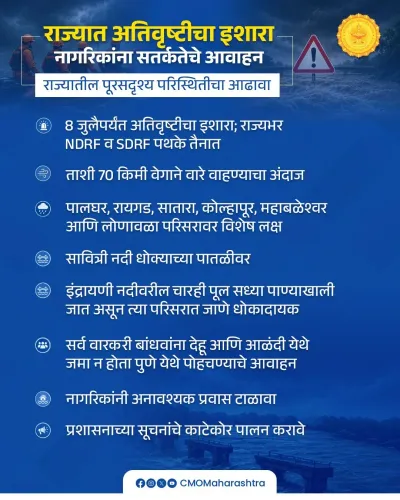
The meeting was convened to assess the situation arising from heavy and excessive rainfall across Maharashtra .
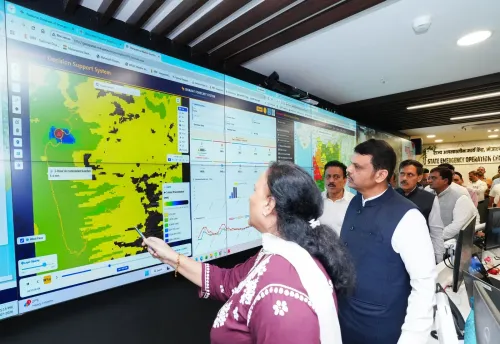
The State Emergency Operation Centre at Mantralaya serves as the nodal hub for real-time disaster monitoring and coordination in the state.
Maharashtra's intra-monsoon review meetings are institutionalised under the Disaster Management Act, 2005 framework.
Stakeholders include flood-affected residents, farming communities and district administrations managing relief across Konkan, Western Maharashtra and Vidarbha .
The Chief Minister's Office of Maharashtra announced on Monday, 7 July 2026 that Chief Minister Devendra Fadnavis chaired a detailed review meeting on excessive rainfall across the state at the State Emergency Operation Centre (SEOC) at Mantralaya, Mumbai, at 12:35 pm. The meeting was attended by Minister Girish Mahajan and senior government officials.
Context
The official post from the Chief Minister's Office, issued in Marathi, Hindi and English, described the gathering as a 'सविस्तर बैठक' (detailed meeting) convened to assess the situation arising from heavy and excessive rainfall in Maharashtra. The trilingual communication underscores the state government's intent to reach citizens across linguistic communities. The meeting took place at the State Emergency Operation Centre, the designated nodal hub for real-time monitoring and coordination of disaster response within the state.
Policy Backdrop
Maharashtra has institutionalised intra-monsoon review meetings at the SEOC as a standard operating procedure under the framework established by the Disaster Management Act, 2005, which mandates state-level emergency operation centres and structured review mechanisms. The state's disaster management plans, formalised since the mid-2000s, require high-level oversight during periods of excessive rainfall to assess reservoir levels, relief readiness and district-level response capacity. Under India's federal disaster management architecture, primary responsibility for relief and rescue rests with the state government, with provisions to seek central assistance when prescribed thresholds are crossed.
Devendra Fadnavis has previously emphasised administrative coordination during natural calamities across his tenures as Chief Minister. Girish Mahajan, a senior cabinet minister with prior association with water resources oversight, was present alongside senior officials, reflecting the cross-departmental nature of flood response.
Stakeholders and Impact
Maharashtra is India's second-most populous state and experiences recurrent episodes of excessive rainfall during the southwest monsoon, affecting communities across the Konkan coast, Western Maharashtra and Vidarbha regions. Flood-affected residents, farming communities dependent on kharif crops and district administrations managing relief logistics are the primary stakeholders in such reviews. Reservoir storage levels and the readiness of National Disaster Response Force (NDRF) teams are among the key indicators typically assessed at SEOC meetings of this nature.
What's Next
Developments to watch include updated rainfall assessments from the India Meteorological Department (IMD) on distribution and intensity across Maharashtra's districts, and any subsequent activation of district disaster management plans or deployment of NDRF units. The outcome of the review may also inform decisions on additional financial assistance for affected communities, potentially through state cabinet deliberations or legislative channels. The frequency and scale of such high-level reviews typically rise in proportion to the severity of the monsoon season.
Point of View
Chaired personally by the Chief Minister, signals that the 2026 monsoon has already reached a scale warranting top-level administrative attention in Maharashtra. Fadnavis's direct involvement follows a pattern of chief ministers asserting hands-on crisis management during high-rainfall events, a posture that serves both administrative and political purposes. The presence of Girish Mahajan alongside senior bureaucrats points to a cross-departmental coordination effort, consistent with Maharashtra's institutionalised disaster response architecture. How swiftly district-level relief measures are activated and whether central assistance is sought will be the real test of the review's outcomes.
NationPress
6 Jul 2026
Frequently Asked Questions
Why did CM Devendra Fadnavis hold a flood review meeting on 7 July 2026?
CM Devendra Fadnavis chaired the meeting to conduct a detailed assessment of the excessive rainfall situation across Maharashtra and coordinate the state government's emergency response through the State Emergency Operation Centre at Mantralaya.
What is the State Emergency Operation Centre at Mantralaya?
The State Emergency Operation Centre (SEOC) at Mantralaya, Mumbai, is Maharashtra's nodal hub for real-time monitoring, coordination and response to natural calamities, operating under the framework of the Disaster Management Act, 2005.
Who attended the Maharashtra flood review meeting?
Minister Girish Mahajan and senior state government officials attended the meeting chaired by Chief Minister Devendra Fadnavis at the SEOC on 7 July 2026.
Which regions of Maharashtra are most affected by excessive rainfall during monsoon?
The Konkan coast, Western Maharashtra and Vidarbha are the regions most frequently affected by excessive rainfall and flooding during Maharashtra's southwest monsoon season.
What happens after a flood review meeting at the Maharashtra SEOC?
Following such reviews, the state government typically activates district disaster management plans, deploys NDRF teams if required, and may seek central financial assistance if damage crosses prescribed thresholds under India's federal disaster management framework.