CM Fadnavis Charts Water Security Roadmap for Mumbai, Pune
Synopsis
CM Devendra Fadnavis has directed comprehensive water plans for Mumbai (up to 2051) and Pune (up to 2047), covering new dam projects, Mulshi-Khadakwasla pipeline, Konkan-Bhima river linking, smart metering, wastewater reuse and a dedicated MIDC water subsidiary for industries and data centres.
Key Takeaways
Mumbai Metropolitan Region water plan mandated up to 2051 ; Pune Metropolitan Region plan up to 2047 , both required to be time-bound and financially viable.
Six stalled MMR projects — Kalu, Deharji, Balaganga, Kondhane, Kholsapada and Shilar — directed to resolve forest, environment and land acquisition hurdles on priority.
Approximately 8 TMC water transfer from Mulshi Dam to Khadakwasla via pipeline ordered for technical and financial feasibility study.
A Preliminary Project Report for the Konkan Basin–Bhima Basin river-linking project formally directed for the first time.
MIDC directed to propose a wholly owned subsidiary to supply water exclusively to industries and data centres, sourcing from municipal sewage treatment plants.
All municipal corporations directed to conduct water audits , expand smart metering and reduce non-revenue water progressively.
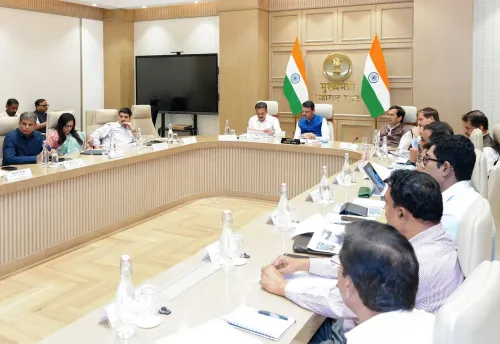
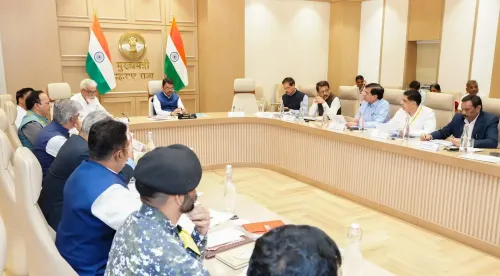
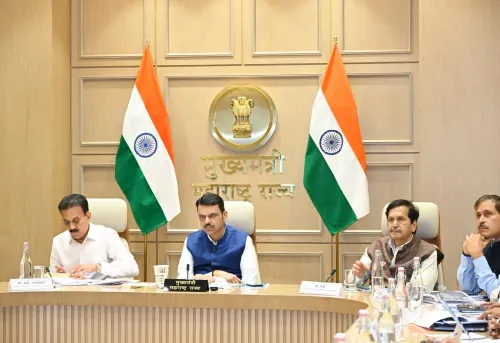
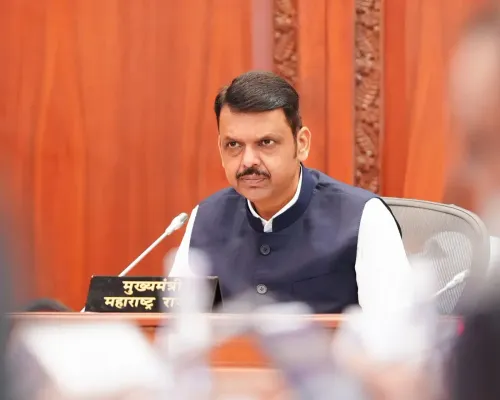
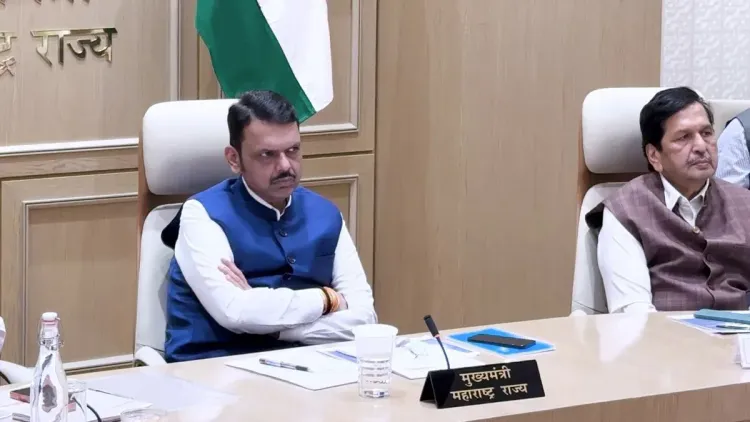
Two of India's most populous and economically vital metropolitan regions now have a long-term water security mandate — and a Chief Minister personally driving it. Maharashtra Chief Minister Devendra Fadnavis chaired a high-level water planning meeting in Mumbai on Friday, 20 November 2026, directing the formulation of comprehensive, time-bound and financially viable water plans for the Mumbai Metropolitan Region (MMR) up to 2051 and the Pune Metropolitan Region (PMR) up to 2047.
What the 2051 and 2047 plans must solve
The directive is blunt about the pressures ahead: projected population growth, rapid urbanisation and surging industrial water demand — including from the fast-expanding data centre sector — will strain every existing source. Fadnavis instructed planners to treat the plans not as aspirational documents but as 'comprehensive, time-bound and financially viable' commitments.
Alongside new infrastructure, he set a clear efficiency-first principle: priority must go to the reuse of treated wastewater, reduction of water leakages, rainwater harvesting and development of alternative water sources. Municipal corporations and councils were directed to conduct water audits, maintain accurate supply and billing records, expand smart meter usage for commercial and industrial consumers and progressively eliminate non-revenue water — the significant share of treated water that utilities lose before it ever reaches a paying tap.
Mumbai's pipeline: clearing the logjam on Kalu, Shilar and four other projects
For the Mumbai Metropolitan Region, the meeting zeroed in on a cluster of proposed projects that have long been stalled by bureaucratic and environmental hurdles: Kalu, Deharji, Balaganga, Kondhane, Kholsapada and Shilar. Fadnavis directed that forest land approvals, environmental clearances, land acquisition and rehabilitation issues be resolved on priority — and that all necessary clearances be obtained before work begins, not after shovels are in the ground.
The long-term plan for MMR must also integrate wastewater recycling, secondary and tertiary treatment, dedicated distribution networks and rainwater harvesting. These are not add-ons; they are structural components of the plan itself.
Pune's gambit: Mulshi to Khadakwasla and a Konkan-to-Bhima river link
The Pune Metropolitan Region directive is arguably the more ambitious of the two. Fadnavis asked planners to examine the technical and financial feasibility of transferring approximately 8 TMC (thousand million cubic feet) of water from Mulshi Dam to the Khadakwasla area through a dedicated pipeline — a move that could significantly augment Pune's primary reservoir network.
Further, the plan must explore the diversion of water from the Savitri River basin in Konkan toward the Kukadi, Bhima, Indrayani, Mula-Mutha and Nira basins — a multi-basin transfer concept that has circulated in Maharashtra's planning circles for years but has yet to advance to project stage. Fadnavis directed preparation of a Preliminary Project Report (PPR) for this Konkan Basin–Bhima Basin river-linking project, giving the idea its first formal institutional momentum.
MIDC's new mandate: a dedicated water company for industry and data centres
Perhaps the most structurally novel instruction of the meeting targets the industrial sector directly. Fadnavis directed the Maharashtra Industrial Development Corporation (MIDC) to prepare a proposal for a wholly owned subsidiary that would manage water supply exclusively for industries and data centres. The proposed entity would source both regular water supplies and treated wastewater from municipal sewage treatment plants for onward distribution — effectively separating industrial water logistics from the municipal network and allowing each system to be optimised independently.
Necessary policy provisions for integrated operation and maintenance of treatment facilities and industrial water supply were also instructed. Minister Mangal Prabhat Lodha, Minister Girish Bhau Mahajan, Minister Adv. Ashish Shelar, Minister Ganesh Naik and senior officials were present at the meeting.
Maharashtra's long game on water efficiency
The twin-city blueprint fits a pattern emerging across India's larger states: pairing new storage and transfer infrastructure with aggressive demand-side management, recognising that engineering alone cannot outrun urban growth. Maharashtra has previously pursued non-revenue water reduction and wastewater reuse in municipal upgrades; this meeting scales that logic up to the metropolitan level and ties it to a fixed horizon year. The MIDC subsidiary model, if it materialises, would also provide a template for other industrially dense states grappling with the same tension between municipal needs and manufacturing appetite.
The next critical milestones will be environmental and forest clearances for the MMR dam cluster, the technical feasibility study for the Mulshi pipeline and the formal PPR for the Konkan-Bhima link. Watch the MIDC subsidiary proposal too — it could quietly become one of the more consequential institutional innovations to emerge from this meeting.
Point of View
An approach that reduces political friction over allocation and could attract private capital into industrial water logistics. For Maharashtra's BJP government, the optics of a 25-year infrastructure roadmap serve a dual purpose — projecting governance competence while anchoring urban voter confidence in two of the state's most economically decisive regions. The real test, as always in Maharashtra's water politics, is whether environmental and forest clearances actually move, or whether the directive joins a long queue of unimplemented blueprints.
NationPress
20 Nov 2026
Frequently Asked Questions
What is the Maharashtra water plan announced by CM Fadnavis?
CM Devendra Fadnavis directed the formulation of long-term water plans for the Mumbai Metropolitan Region up to 2051 and the Pune Metropolitan Region up to 2047, covering new dam projects, river linking, wastewater reuse and smart metering.
What is the Mulshi Dam to Khadakwasla pipeline project?
The plan proposes examining the technical and financial feasibility of transferring approximately 8 TMC of water from Mulshi Dam to the Khadakwasla area via a dedicated pipeline to augment Pune's water supply.
What is the Konkan-Bhima basin river-linking project in Maharashtra?
It is a proposed inter-basin water transfer that would divert water from the Savitri River basin in Konkan to the Kukadi, Bhima, Indrayani, Mula-Mutha and Nira basins; Fadnavis has now directed preparation of a Preliminary Project Report for it.
What will the proposed MIDC water subsidiary do?
The proposed MIDC wholly owned subsidiary will manage water supply exclusively for industries and data centres, sourcing both regular water and treated wastewater from municipal sewage treatment plants for distribution.
Which Mumbai water projects are stuck on clearances?
Six proposed projects — Kalu, Deharji, Balaganga, Kondhane, Kholsapada and Shilar — are facing forest land, environmental clearance, land acquisition and rehabilitation delays; Fadnavis directed these to be resolved on priority.