CM Fadnavis empowers 1,000 girls via Sukanya, NPS Vatsalya
Synopsis
Chief Minister Devendra Fadnavis led a live state event on 31 July 2026 enrolling 1,000 girls in Maharashtra under Sukanya Samriddhi Yojana and NPS Vatsalya Yojana, combining near-term education savings with long-term pension planning to build lifelong financial security for girl children.
Key Takeaways
1,000 girl children were enrolled as beneficiaries at a live state event on 31 July 2026 .
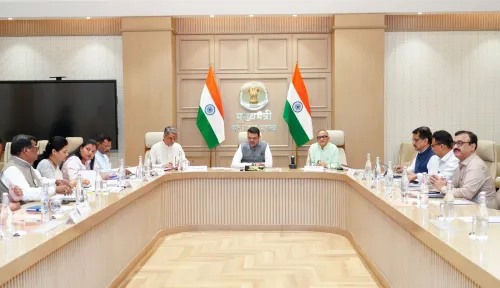
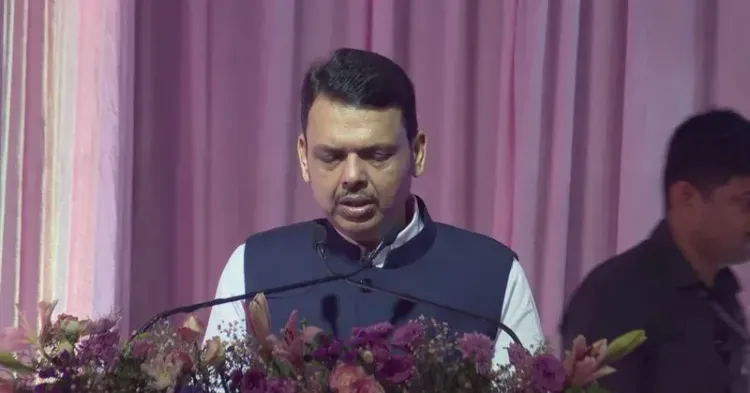
Chief Minister Devendra Fadnavis personally presided over the programme.
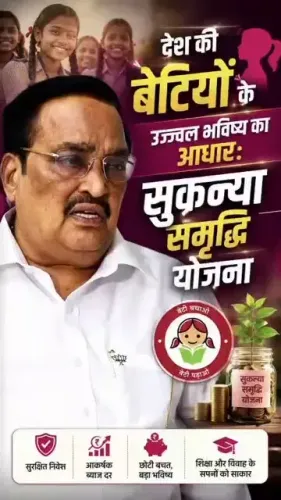
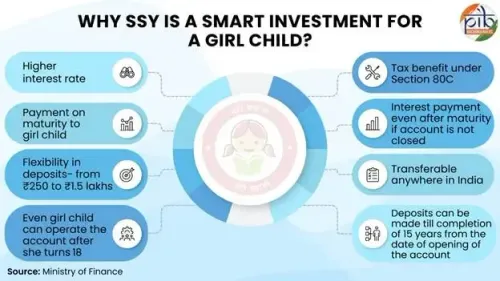
Sukanya Samriddhi Yojana , launched in 2015 under Beti Bachao Beti Padhao , offers tax-free savings for girls' education and marriage.
NPS Vatsalya allows parents to open a pension account in a minor girl's name, building a retirement corpus from childhood.
Maharashtra is running district-level drives to deepen enrolment under both central schemes, targeting awareness gaps as the primary barrier.
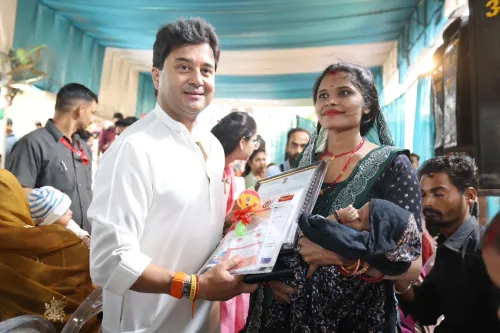
A thousand girls in Maharashtra moved one step closer to financial independence on Friday, 31 July 2026, as Chief Minister Devendra Fadnavis presided over a live event enrolling beneficiaries under two of India's most consequential girl-child welfare schemes — Sukanya Samriddhi Yojana and NPS Vatsalya Yojana.
Two schemes, one goal: locking in a girl's future early
The Sukanya Samriddhi Yojana, launched nationally in 2015 under the Beti Bachao Beti Padhao ('Save the Daughter, Educate the Daughter') initiative, is a small-savings scheme designed to build a corpus for a girl child's education and marriage expenses. It offers among the highest interest rates in the government's small-savings basket, along with full tax exemption at deposit, accrual, and maturity — a rare triple benefit.
NPS Vatsalya, a newer variant of the National Pension System, allows parents and guardians to open a pension account in a minor's name. The idea is stark in its ambition: begin building a retirement fund for a girl before she has finished school, letting decades of compounding do the heavy lifting.
Maharashtra's push to convert policy into enrolment
The state's decision to hold a high-profile, CM-led live event rather than a quiet administrative rollout signals intent. Maharashtra has been running district-level drives to deepen enrolment under both central schemes, recognising that awareness gaps — not scheme design — are often what keep eligible families out. Bringing 1,000 beneficiaries into a single event collapses that gap visibly and publicly.
The combination of the two instruments is deliberate: Sukanya Samriddhi addresses the near-to-medium term (education, early adulthood), while NPS Vatsalya plants a seed for retirement security decades away. Together, they map the full financial arc of a girl's life from childhood onward.
Fadnavis's political signature on welfare delivery
Chief Minister Devendra Fadnavis has consistently used high-visibility welfare events to reinforce the state government's alignment with central flagship programmes. Anchoring this enrolment drive personally places his office at the centre of a narrative about female economic empowerment — a theme with both genuine policy weight and clear electoral resonance in Maharashtra.
Watch for district-level follow-through: the real measure of today's event will be how many of these 1,000 accounts remain active at the five-year mark, and whether the enrolment drive cascades to smaller towns and rural talukas across the state.
Point of View
The state government is simultaneously delivering a service and constructing a narrative of female empowerment ahead of future electoral cycles. The pairing of Sukanya Samriddhi with NPS Vatsalya is also notable policy design: it signals a move from single-point welfare interventions toward cradle-to-retirement financial architecture for girls. The real test, however, is persistence — whether this event seeds a sustained enrolment infrastructure or remains a one-day headline.
NationPress
31 Jul 2026
Frequently Asked Questions
What is Sukanya Samriddhi Yojana and who can open an account?
Sukanya Samriddhi Yojana is a central government small-savings scheme launched in 2015 under the Beti Bachao Beti Padhao initiative. Parents or legal guardians can open an account for a girl child below the age of 10, and the scheme provides tax-free returns to fund education and marriage expenses.
What is NPS Vatsalya Yojana?
NPS Vatsalya is a variant of the National Pension System that allows parents or guardians to open a pension account in the name of a minor. Contributions accumulate over decades, giving the child a retirement corpus by the time she enters the workforce.
What did CM Devendra Fadnavis do at the 31 July 2026 event?
Chief Minister Devendra Fadnavis presided over a live state-level programme on 31 July 2026 in Maharashtra that enrolled 1,000 girl children as beneficiaries under both Sukanya Samriddhi Yojana and NPS Vatsalya Yojana.
How does NPS Vatsalya differ from Sukanya Samriddhi Yojana?
Sukanya Samriddhi Yojana targets medium-term goals like education and marriage expenses, maturing when the girl turns 21. NPS Vatsalya is a long-term pension instrument — contributions made in childhood compound over a lifetime, building a retirement fund the beneficiary accesses in old age.
How is Maharashtra implementing these central schemes?
Maharashtra is running district-level enrolment drives and high-visibility state events to close awareness gaps that keep eligible families from accessing Sukanya Samriddhi and NPS Vatsalya. The 31 July 2026 event, led personally by the Chief Minister, is part of this broader push.