CM Fadnavis Hails PM GatiShakti's ₹18.66 Lakh Crore Push
Synopsis
Maharashtra CM Devendra Fadnavis marks PM GatiShakti's fifth anniversary by highlighting 396 projects evaluated, 256 sanctioned, and ₹18.66 lakh crore in investment — framing the scheme as the backbone of Modi's Viksit Bharat vision.
Key Takeaways
PM GatiShakti launched on 13 October 2021 as a GIS-based National Master Plan to integrate infrastructure planning across all ministries and states.
396 projects worth ₹18.66 lakh crore have been evaluated on the platform; 256 projects have been sanctioned.
All 58 Central Ministries and 36 States and Union Territories are now on the unified digital platform.
The scheme operationalises the earlier National Infrastructure Pipeline announced in 2019 , which outlined ₹111 lakh crore in five-year investment.
GatiShakti is central to the Viksit Bharat 2047 agenda, linking logistics efficiency to manufacturing competitiveness and export growth.
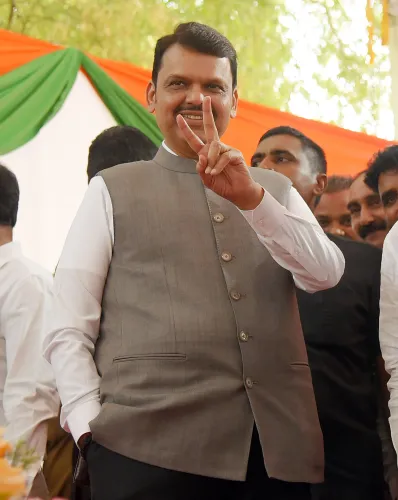
Five years after its launch, PM GatiShakti is delivering numbers that reframe what Indian infrastructure planning looks like — and Maharashtra Chief Minister Devendra Fadnavis wants the country to take stock. On Tuesday, 13 October 2026 — the scheme's fifth anniversary — Fadnavis took to X to lay out the milestone figures and frame them within Prime Minister Narendra Modi's larger vision for a logistics-efficient, globally competitive India.
The post cited 396 projects worth ₹18.66 lakh crore evaluated on the platform and 256 projects sanctioned, with 58 Central Ministries and all 36 States and Union Territories now operating on a single unified digital interface. That scale of institutional convergence — once considered structurally impossible in Indian governance — is the headline behind the headline.
What GatiShakti Actually Changed About Infrastructure Planning
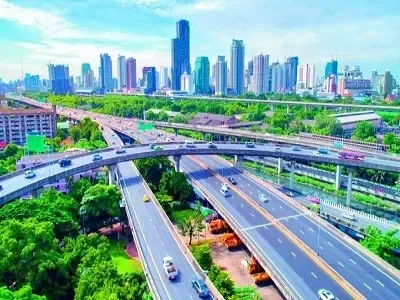
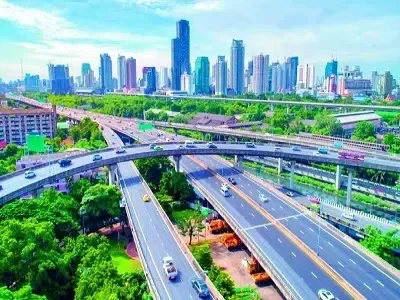
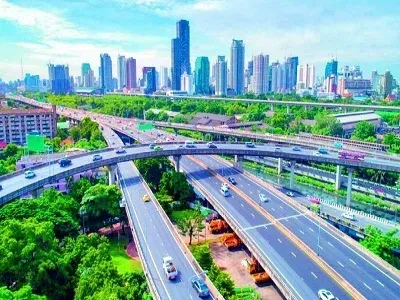
Before PM GatiShakti launched on 13 October 2021, India's infrastructure ministries famously planned in silos. Roads were built without accounting for rail alignments; ports were expanded without corresponding logistics park planning. The result: cost overruns, land-acquisition conflicts, and stalled projects. GatiShakti was designed as a GIS-based National Master Plan to end exactly that — mandating that every major central project be mapped, coordinated, and cleared through a shared digital layer.
The scheme sits at the operational heart of a broader infrastructure push that includes Bharatmala (highways), Sagarmala (ports), and the Dedicated Freight Corridors — programmes that individually moved fast but, before GatiShakti, rarely moved together. The platform forces that coordination by design.
The Viksit Bharat Thread Running Through It All
Fadnavis framed the anniversary figures explicitly within the Viksit Bharat 2047 narrative — the government's overarching goal of developed-nation status by India's centenary of independence. That framing is deliberate: logistics efficiency is now treated as a direct multiplier for manufacturing output and export competitiveness, not a secondary concern. Every percentage-point improvement in logistics costs has downstream effects on factory-gate pricing and India's ability to compete in global supply chains.
The lineage here stretches back to 2019, when the government announced the National Infrastructure Pipeline — a ₹111 lakh crore five-year investment roadmap. GatiShakti is, in effect, the execution architecture that the Pipeline needed but did not originally have: a real-time, data-driven layer to track whether those rupees are actually turning into connected corridors.
Maharashtra's Stake in the Platform
For Fadnavis, this is not an abstract federal policy. Maharashtra hosts some of India's most complex multimodal infrastructure — from the Jawaharlal Nehru Port (the country's largest container gateway) to highway-dense industrial corridors linking Mumbai, Pune, Nashik, and Nagpur. Projects touching Maharashtra feed directly into the GatiShakti platform, meaning the state's logistics competitiveness is tied to how well the platform performs at the national level.
As the fifth anniversary of GatiShakti passes with a project pipeline measured in the tens of lakhs of crore, the next test is execution velocity — whether sanctioned projects move from digital approval to ground-level delivery at the pace the investment figures promise.
Point of View
Elevating what could be a dry project-count into an ideological statement. The real test the post sidesteps is project execution speed — sanctions and evaluations are inputs, not outcomes. Watch whether the next Union Budget converts these pipeline numbers into on-ground commissioning reports that validate the platform's coordination promise.
NationPress
13 Oct 2026
Frequently Asked Questions
What is PM GatiShakti and when was it launched?
PM GatiShakti is a GIS-based National Master Plan launched on 13 October 2021 to integrate infrastructure planning across all central ministries and state governments on a single digital platform, ending siloed project approvals.
How many projects have been sanctioned under PM GatiShakti?
According to CM Devendra Fadnavis's post, 256 projects have been sanctioned and 396 projects worth ₹18.66 lakh crore have been evaluated on the GatiShakti platform.
How many ministries and states are on the GatiShakti platform?
All 58 Central Ministries and all 36 States and Union Territories are integrated onto the PM GatiShakti unified digital platform.
What is the connection between GatiShakti and Viksit Bharat 2047?
GatiShakti is treated as the execution architecture for India's Viksit Bharat 2047 goal — improving logistics efficiency to reduce costs, boost manufacturing output, and increase export competitiveness as India aims for developed-nation status by its centenary of independence.
What is the National Infrastructure Pipeline and how does it relate to GatiShakti?
The National Infrastructure Pipeline was announced in 2019 as a ₹111 lakh crore five-year investment roadmap. PM GatiShakti functions as its real-time, data-driven coordination layer — ensuring ministries and states plan projects together rather than in isolation.