CM Fadnavis Orders Merit-Based Overhaul of Maharashtra Sainik Schools
Synopsis
Maharashtra CM Devendra Fadnavis has ordered a merit-based overhaul of state Sainik Schools, introducing graded accountability — incentives for top schools, strict action for poor performers — with the explicit goal of sending more students to the National Defence Academy.
Key Takeaways
CM Devendra Fadnavis chaired a meeting on 20 November 2026 to act on the State Sainik Schools Evaluation and Empowerment Framework committee report.
Schools graded A, B, C, and D will face differentiated consequences: rewards for top performers, support for mid-tier schools, and strict administrative action for the lowest-rated institutions.
The admission process across all state Sainik Schools has been directed to be strengthened strictly on merit.
Annual reviews of committee recommendation implementation have been mandated, with inter-departmental coordination required.
The reform is explicitly tied to the goal of increasing Maharashtra students' intake into the National Defence Academy, Khadakwasla, Pune .
Maharashtra hosts the first Sainik School in India , established at Satara in 1961 , underlining the state's historic role in defence preparatory education.
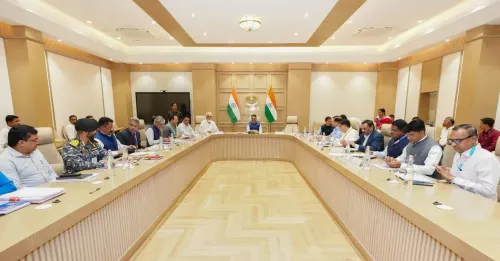
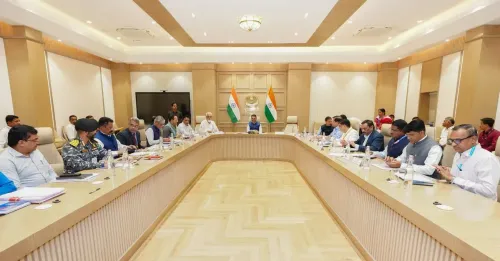
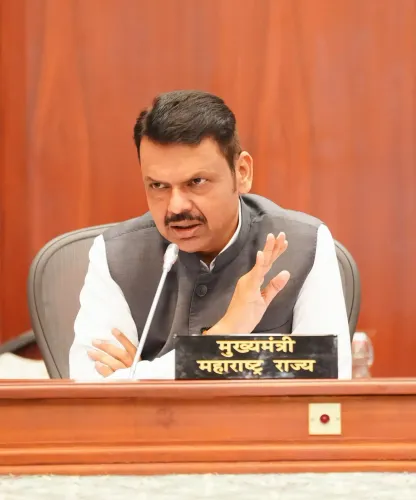
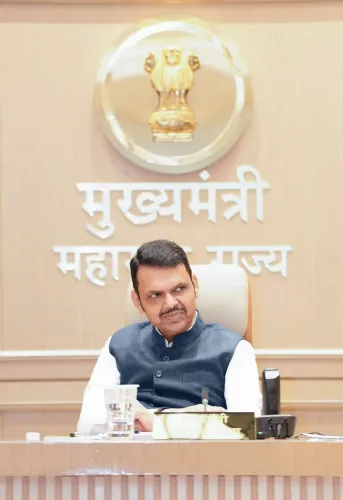
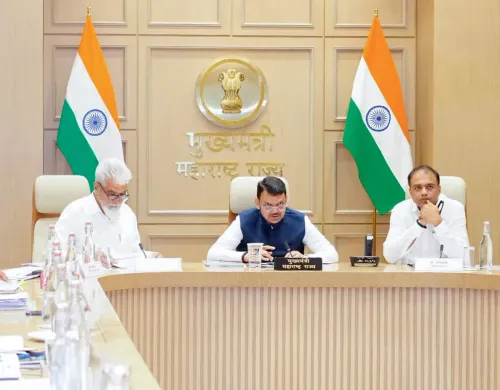
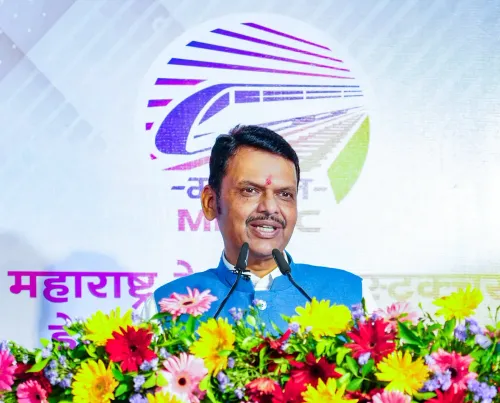
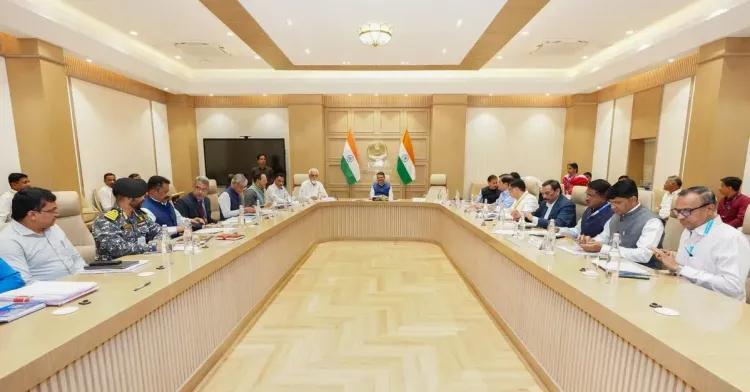
Maharashtra's Sainik Schools are getting a performance reckoning — and the chief minister wants results. Maharashtra Chief Minister Devendra Fadnavis on Friday, 20 November 2026, chaired a high-level meeting to act on the report of a committee constituted under the State Sainik Schools Evaluation and Empowerment Framework, directing a sweeping accountability overhaul tied directly to each school's grades and its record of sending students to the National Defence Academy (NDA).
A Four-Tier Report Card With Real Consequences
The meeting produced a sharp, graduated directive. Grade A schools will be rewarded with incentives for strong performance. Grade B schools will receive targeted support to climb to the top tier. For Grade C and Grade D schools, Fadnavis was unambiguous: 'appropriate policy decisions and strict administrative action' wherever necessary. That phrase is not bureaucratic hedging — it signals possible structural intervention for chronically underperforming institutions.
The CM also directed that the functioning of all Sainik Schools be reviewed annually against the committee's recommendations, with inter-departmental coordination to ensure decisions do not stall in siloed ministries. Minister Dadaji Bhuse and senior officials were present at the meeting.
NDA Pipeline as the North Star
Fadnavis framed the entire exercise around a single, measurable goal: more Maharashtra students commissioned as officers in the Indian defence forces. The framework is directed to focus on improving academic and administrative standards, infrastructure, trained manpower, and military training — the four pillars that determine how many cadets clear the NDA entrance and go on to serve.
Maharashtra's connection to this ecosystem runs deep. The first Sainik School in India was established in 1961 at Satara, Maharashtra, under a Ministry of Defence initiative to build a feeder pipeline into the NDA, which itself is located at Khadakwasla, Pune — squarely in Maharashtra. The state hosting both the country's oldest Sainik School and its premier tri-service academy gives this reform push particular weight.
Merit-Driven Admissions and Transparent Governance
Beyond school performance, Fadnavis specifically directed that the admission process across all state Sainik Schools be 'strengthened on merit' — a signal aimed at reducing discretionary or opaque selection practices. The broader mandate is to build what the CM called a 'transparent, accountable and quality-driven system' across the board.
State governments periodically audit Sainik Schools to align their output with national defence recruitment needs, but Maharashtra's graded evaluation model — with differentiated consequences at each tier — goes further than routine review. It introduces a quasi-competitive framework where school leadership has skin in the game.
Maharashtra now has a framework, a grading system, and a political mandate on the table. Whether the inter-departmental machinery can translate that into real upgrades at Grade C and D schools before the next annual review will be the test that matters.
Point of View
Grading systems risk becoming paperwork exercises. The real test is whether Grade C and D schools receive the administrative attention their designation demands — or whether the framework quietly fades after its launch moment.
NationPress
20 Nov 2026
Frequently Asked Questions
What is the State Sainik Schools Evaluation and Empowerment Framework in Maharashtra?
It is a Maharashtra-specific evaluation and improvement mechanism for state Sainik Schools, under which a committee was constituted to assess schools and recommend reforms. CM Fadnavis chaired a meeting on 20 November 2026 to act on that committee's report.
What will happen to Grade C and Grade D Sainik Schools in Maharashtra?
CM Fadnavis has directed appropriate policy decisions and strict administrative action against schools graded C or D under the new evaluation framework, signalling possible structural intervention for chronically underperforming institutions.
How does this reform connect to NDA admissions?
Fadnavis explicitly directed the framework to focus on academic standards, infrastructure, trained manpower, and military training so that more Maharashtra students can clear the NDA entrance examination and serve as commissioned officers in the defence forces.
Where was India's first Sainik School established?
India's first Sainik School was established in 1961 at Satara, Maharashtra, under a Ministry of Defence initiative to build a feeder pipeline into the National Defence Academy.
Who else was present at the Sainik Schools meeting chaired by CM Fadnavis?
Maharashtra Minister Dadaji Bhuse and senior government officials were present at the meeting on 20 November 2026.