CM Fadnavis Pushes for Faster Funnel Zone Redevelopment
Synopsis
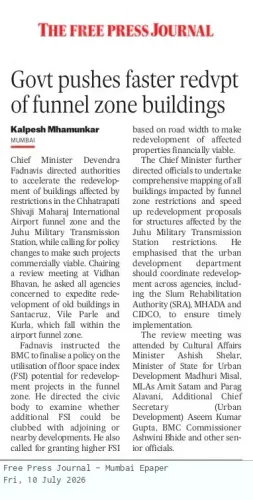
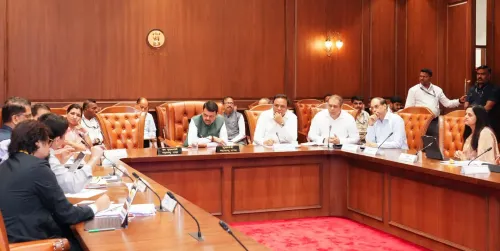
Chief Minister Devendra Fadnavis on 10 July 2026 directed authorities to accelerate redevelopment of buildings affected by airport funnel zones in Maharashtra, where height restrictions have long stalled housing projects near major airports like Mumbai's Chhatrapati Shivaji Maharaj International Airport.
Key Takeaways
CM Devendra Fadnavis on 10 July 2026 issued a directive to speed up redevelopment of airport funnel-zone-affected buildings in Maharashtra.
Airport funnel zones impose height restrictions on buildings near runways, creating a long-standing redevelopment bottleneck in dense urban areas like Mumbai .
Redevelopment proposals in these zones require clearance from both civic bodies and the Airports Authority of India (AAI) , a multi-agency process that has historically caused delays.
Residents of ageing, structurally vulnerable buildings in funnel zones are the primary beneficiaries of any policy acceleration.
Progress will be measured by concrete steps such as fast-track committees, revised clearance protocols, or dedicated funding for affected projects.
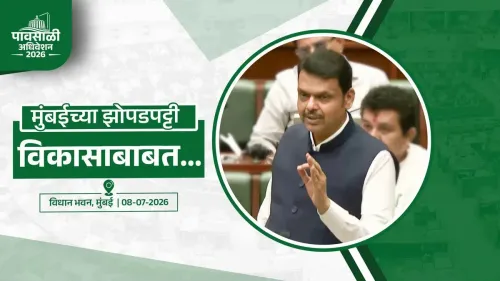
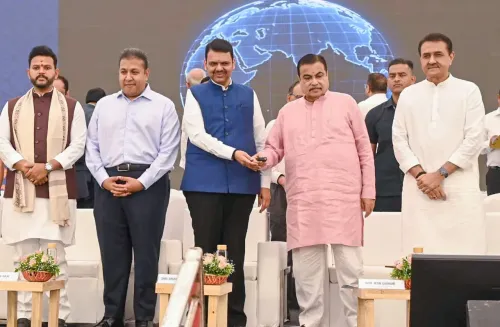
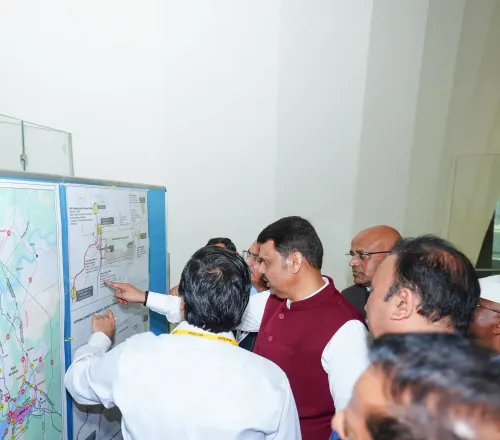
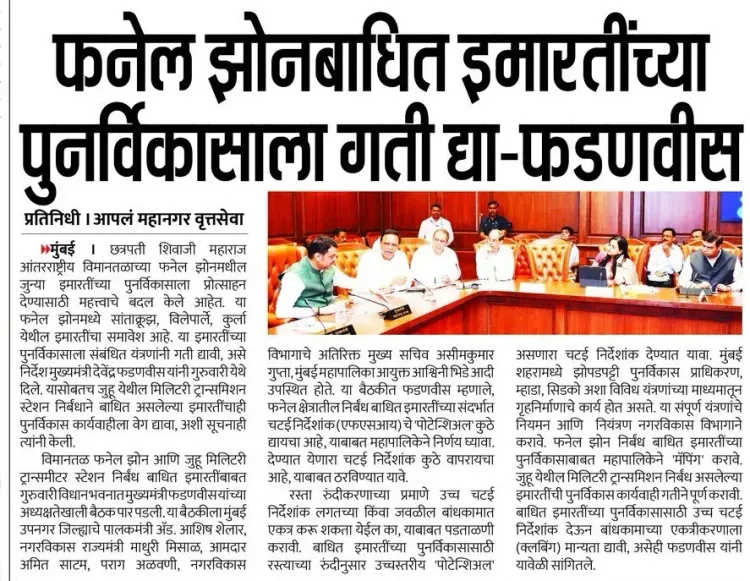
The Chief Minister's Office of Maharashtra on Friday, 10 July 2026, shared a directive from Chief Minister Devendra Fadnavis calling for expedited redevelopment of buildings affected by airport funnel zones — areas surrounding airports where height restrictions apply for aviation safety.
The post, in Marathi, quotes the Chief Minister as saying: 'फनेल झोनबाधित इमारतींच्या पुनर्विकासाला गती द्या' ('Speed up the redevelopment of funnel-zone-affected buildings'). The directive signals a push to resolve a long-standing tension between aviation safety regulations and the housing needs of residents living near major airports.
Context
Airport funnel zones are buffer areas around runways where buildings must remain below prescribed height limits set by aviation authorities. In a densely built city like Mumbai, home to the Chhatrapati Shivaji Maharaj International Airport, these restrictions have left scores of ageing residential and commercial buildings in a regulatory grey zone — too tall to be legal, yet too old and deteriorated to be safe.
Residents of such buildings have historically faced difficulties in getting redevelopment approvals, as proposals must be cleared not only by civic bodies but also by the Airports Authority of India (AAI), which enforces height norms under aviation law. This multi-agency clearance process has been a persistent bottleneck.
Policy Backdrop
Maharashtra governments have periodically attempted to streamline funnel-zone redevelopment, recognising that ageing housing stock in these areas poses structural risks to residents. The state's urban development and housing departments are the primary bodies responsible for formulating redevelopment schemes, while the AAI's no-objection is a mandatory step in the approvals pipeline.
CM Fadnavis, who has previously championed large-scale urban infrastructure projects during earlier tenures, now appears to be renewing focus on this specific category of stalled redevelopment. The directive suggests the state may be looking to cut procedural delays and accelerate project approvals.
Stakeholders and Impact
The primary beneficiaries of faster funnel-zone redevelopment would be residents of affected buildings, many of whom live in structures that are decades old and structurally vulnerable. Delays in redevelopment have meant prolonged exposure to safety risks for these communities.
Urban developers and real-estate firms with projects pending in funnel-zone areas also stand to benefit from any policy push that eases the clearance process. At the same time, aviation safety regulators and the AAI remain key stakeholders whose technical requirements cannot be bypassed, making coordination essential to any meaningful acceleration.
What's Next
The immediate watch point is whether the Chief Minister's directive translates into concrete administrative action — such as the formation of a fast-track committee, revised clearance protocols with the AAI, or a dedicated funding window for funnel-zone redevelopment projects. Progress on project approvals by the state housing and urban development departments will be the clearest indicator of follow-through.
If the state succeeds in streamlining the process, the model could have implications for other Maharashtra cities with airports, where similar funnel-zone housing challenges exist.
Point of View
And the real test will be whether this directive produces a formal inter-agency mechanism or remains an aspirational statement. For Fadnavis, who has staked his urban governance credentials on visible infrastructure outcomes, moving stalled redevelopment files in Mumbai's congested airport hinterland would be a tangible win. The broader pattern of state-centre coordination on urban aviation zones will determine whether this push sets a replicable precedent.
NationPress
10 Jul 2026
Frequently Asked Questions
What is an airport funnel zone in India?
An airport funnel zone is a designated area around an airport's runway where buildings must stay below prescribed height limits to ensure safe aircraft approach and departure paths, as mandated by the Airports Authority of India.
Why is redevelopment in Mumbai's funnel zones difficult?
Redevelopment proposals in funnel zones require approvals from multiple agencies — including civic bodies and the Airports Authority of India — making the clearance process lengthy and complex for developers and residents.
What did CM Devendra Fadnavis say about funnel zone buildings?
On 10 July 2026 , CM Fadnavis directed authorities to speed up the redevelopment of buildings affected by airport funnel zones, signalling a push to cut procedural delays.
Which airport's funnel zone affects Mumbai buildings?
The Chhatrapati Shivaji Maharaj International Airport in Mumbai is the primary airport whose funnel zone imposes height restrictions on surrounding residential and commercial buildings.
What will happen next after Fadnavis's funnel zone directive?
Observers will watch for concrete follow-up steps such as fast-track approval committees, revised clearance protocols with the Airports Authority of India, or dedicated state funding for funnel-zone redevelopment projects.