CM Fadnavis Reviews Chhatrapati Sambhajinagar Water Supply Plan
Synopsis
Chief Minister Devendra Fadnavis chaired a review meeting at Varsha residence on 15 July 2026 on the Chhatrapati Sambhajinagar water supply scheme, directing contractors and three agencies to complete the 604 MLD Jayakwadi-linked project on a milestone basis and restore dug-up roads before the monsoon.
Key Takeaways
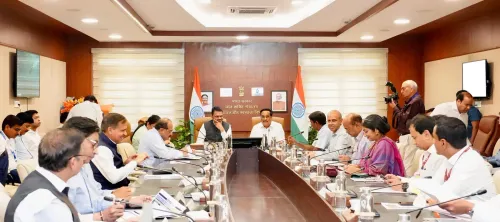
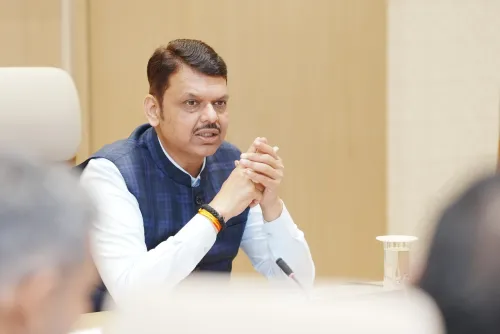
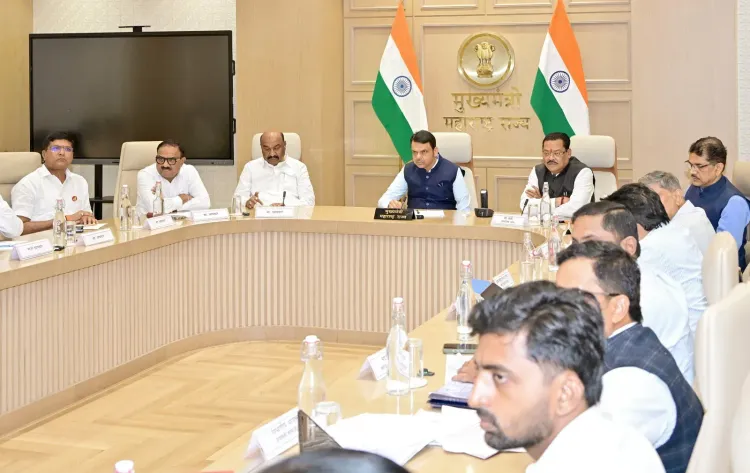
CM Devendra Fadnavis chaired a review meeting at Varsha residence, Mumbai on 15 July 2026 on the Chhatrapati Sambhajinagar city water supply scheme .
The scheme is designed to supply 604 MLD of water, calibrated to the city's projected population in 2052 , drawing from the Jayakwadi reservoir .
Of 59 planned water tanks , 29 are complete ; of 1,911 km of pipeline, 1,291 km is done; 46,500 tap connections have been provided.
Fadnavis directed the contractor to complete all pending works in a phased, milestone-based manner and deploy sufficient manpower.
The Municipal Corporation , Maharashtra Jeevan Pradhikaran and the Water Supply Department were asked to coordinate and restore dug-up roads before the monsoon.
A hydraulic testing of the distribution network and a phase-wise presentation at the next review meeting were mandated.
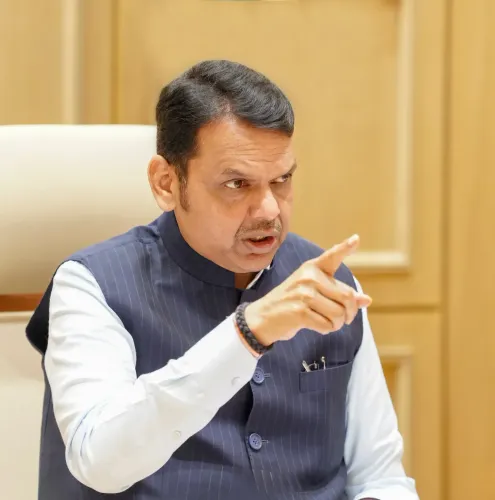
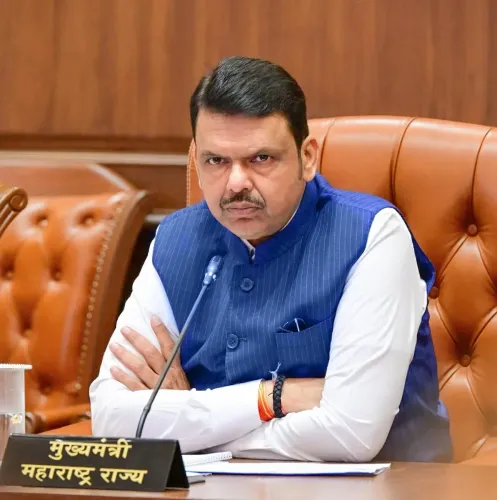
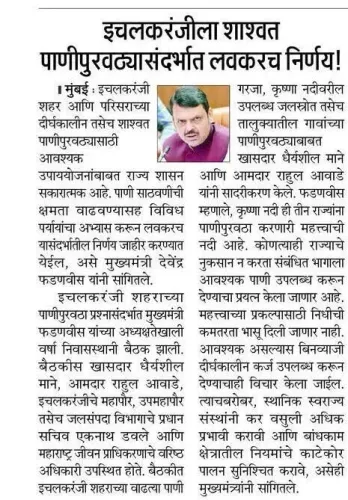
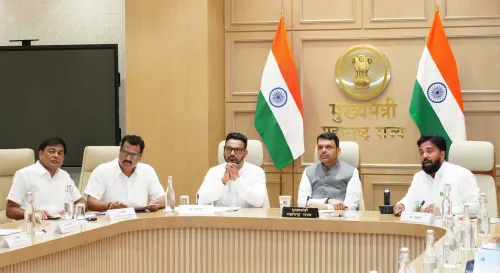
The Chief Minister's Office of Maharashtra announced on Wednesday, 15 July 2026 that Chief Minister Devendra Fadnavis chaired a high-level review meeting at Varsha residence, Mumbai, focused on the Chhatrapati Sambhajinagar city water supply scheme, directing agencies to complete all pending works on a strict timeline and ensure clean, regular water reaches every household in the city.
Context
The meeting, attended by ministers, parliamentarians, local legislators, the city mayor and senior officials, reviewed the status of a large-scale water supply project drawing from the Jayakwadi reservoir. The scheme is designed to meet the projected water demand of 604 MLD (million litres per day) based on Chhatrapati Sambhajinagar's estimated population in 2052. CM Fadnavis issued unambiguous directions: 'योजनेचे काम विहित कालावधीत पूर्ण करावे' ('the scheme's work must be completed within the stipulated period').
The Chief Minister underlined that incomplete works are the primary reason residents are not receiving full-capacity water supply. He directed contractors to deploy adequate manpower and instructed relevant departments to conduct site inspections and hold separate meetings with contractors to assess ground-level status.
Policy Backdrop
The Jayakwadi Project, completed in 1976, has long served as the backbone of irrigation and drinking water supply across the Marathwada region. Successive Maharashtra governments have periodically revived and expanded urban water supply schemes in tier-2 cities to keep pace with population growth, with Chhatrapati Sambhajinagar — formerly Aurangabad — being a persistent focus given its size and chronic water stress.
The current scheme envisages 59 overhead water tanks across the city, of which 29 have been completed. Of a total 1,911 kilometres of water distribution pipeline, 1,291 kilometres of work has been finished. A total of 46,500 tap connections have already been provided. The Maharashtra Jeevan Pradhikaran (MJP), the state's nodal water supply and sanitation authority, is responsible for executing the distribution network alongside the municipal corporation and the water supply department.
Stakeholders and Impact
CM Fadnavis stated clearly: 'शेवटच्या शहरवासीयापर्यंत नियमित व शुद्ध पाण्याचा पुरवठा करणे हे शासनाचे कर्तव्य आहे' ('it is the government's duty to supply regular and clean water to the last resident of the city'). He called on the Municipal Corporation, Maharashtra Jeevan Pradhikaran and the Water Supply Department to coordinate closely to bring the scheme to completion.
The Chief Minister also directed that hydraulic testing of the water distribution system be completed by the contractor, that the number of tap connections in the city be increased, and that the old distribution network be restored by MJP. Importantly, he ordered that roads dug up during pipeline work be repaired promptly, and that no accident due to potholes occur anywhere in the city during the monsoon season.
The meeting was attended by Minister Atul Save, Minister Sanjay Shirsat, Minister Gulabrao Patil, MP Sandipan Bhumare, MLA Suhas Shirsath, MLA Satish Chavan, Chhatrapati Sambhajinagar Mayor Sameer Rajurkar, and senior officials.
What's Next
CM Fadnavis directed the contractor to prepare a phased, milestone-based implementation plan and present it at the next review meeting. Departments have been asked to evaluate contractor performance and conduct periodic progress reviews. The immediate priorities are completing the remaining 30 water tanks, finishing the balance 620 kilometres of pipeline, expanding tap connections, and completing hydraulic testing — all before the monsoon intensifies.
The emphasis on milestone-based accountability and inter-agency coordination signals that the Fadnavis administration intends to treat this as a monitored infrastructure delivery rather than a routine departmental exercise, with the next review meeting set to determine whether the scheme stays on course.
Point of View
And visible progress on water supply carries electoral as well as governance weight. The milestone-based accountability framework and the explicit monsoon-safety directive suggest the government is aware that incomplete civil works translate directly into public discontent. Whether inter-agency coordination between MJP, the municipal corporation and the water supply department actually accelerates delivery will be the real test of this review's impact.
NationPress
16 Jul 2026
Frequently Asked Questions
What is the Chhatrapati Sambhajinagar water supply scheme?
It is a large urban water supply project that draws water from the Jayakwadi reservoir to supply 604 MLD of clean water to Chhatrapati Sambhajinagar , designed to meet the city's projected population needs up to 2052 . The scheme includes 59 overhead tanks and 1,911 km of distribution pipeline.
What did CM Devendra Fadnavis direct at the 15 July 2026 review meeting?
CM Fadnavis directed the contractor and agencies to complete all pending works within the stipulated timeline, prepare a phased milestone plan, conduct hydraulic testing, increase tap connections, restore dug-up roads, and ensure no monsoon-related accidents occur due to potholes.
How much of the Chhatrapati Sambhajinagar water supply pipeline work is complete?
As of the review meeting, 1,291 km of the total 1,911 km distribution pipeline has been completed, 29 of 59 water tanks are ready, and 46,500 tap connections have been provided.
What is the role of Maharashtra Jeevan Pradhikaran in this project?
Maharashtra Jeevan Pradhikaran (MJP) is the state agency responsible for executing the water distribution network. CM Fadnavis specifically directed MJP to restore the old distribution system and complete road repairs after pipeline excavation work.
What is the Jayakwadi Project and why is it important for Marathwada?
The Jayakwadi Project is a major reservoir completed in 1976 on the Godavari river in Maharashtra. It is the primary source of irrigation and drinking water for the Marathwada region, and the current Chhatrapati Sambhajinagar scheme draws from it to supply the city.