CM Fadnavis Reviews El Niño Preparedness, Orders Weir Repairs
Synopsis
Maharashtra CM Devendra Fadnavis chaired an El Niño preparedness review at Vidhan Bhavan on June 30, ordering a special drive to repair defunct Kolhapur-Type Weirs that could add 2,39,181 hectares of irrigation potential, while also directing better solar power distribution and rural skill development for farmers.
Key Takeaways
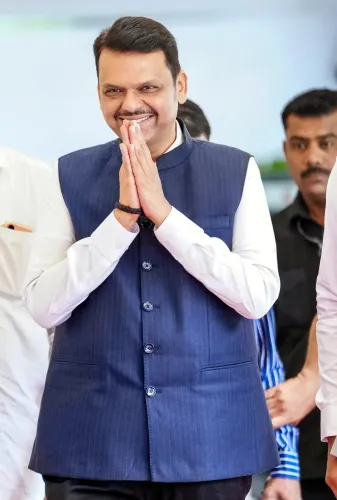
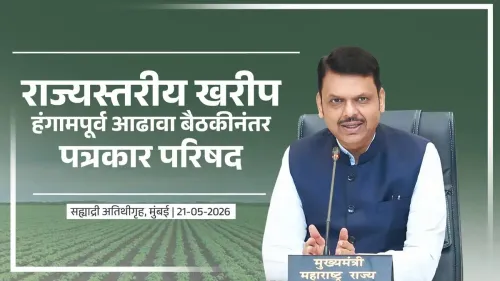
CM Devendra Fadnavis chaired an El Niño preparedness review at Vidhan Bhavan, Mumbai on June 30, 2026 .
A special state-wide drive will be launched to repair defunct Kolhapur-Type Weirs .
Completed repairs are projected to create an additional irrigation potential of 2,39,181 hectares .
Officials were directed to prevent excessive feeder loads to reduce power interruptions for farmers relying on agricultural solar projects.
Skill development programmes will be launched in villages to train youth in solar energy equipment repair and maintenance, creating rural employment.
Ministers Radhakrishna Vikhe Patil , Girishbhau Mahajan , and Sanjay Rathod were present at the review meeting.
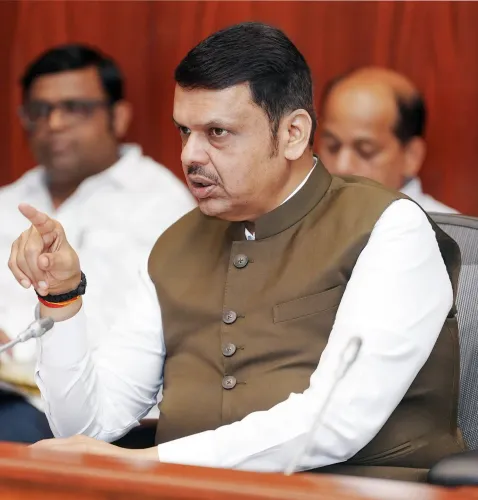
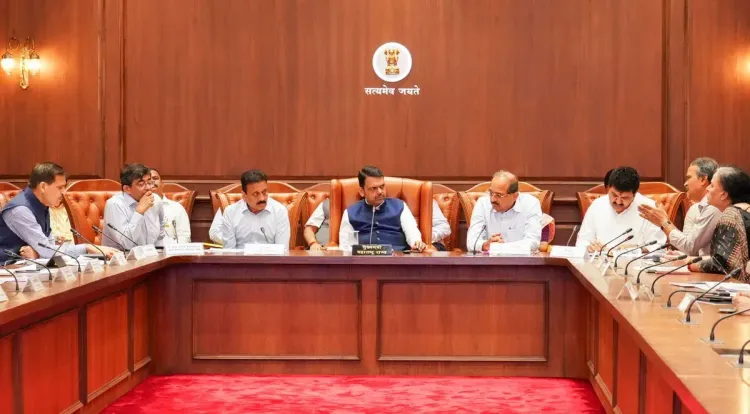
Maharashtra Chief Minister Devendra Fadnavis chaired a high-level review meeting at Vidhan Bhavan, Mumbai, on Tuesday, June 30, 2026, to assess the state's preparedness for a potential El Niño-induced water scarcity situation, directing officials to treat the threat as an opportunity to accelerate water conservation across the state.
Context
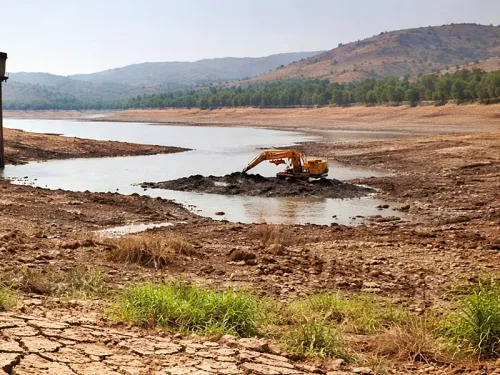
The meeting focused on Kolhapur Type Weirs — low-cost, run-of-the-river structures widely used across Maharashtra to impound water for irrigation and groundwater recharge. Fadnavis directed that all water conservation works capable of being completed within a short timeframe be prioritised on an urgent basis. A special repair drive for defunct Kolhapur-Type Weirs across the state was announced as a centrepiece of the response plan.
Once the repair programme is completed, it is expected to unlock an additional irrigation potential of 2,39,181 hectares, delivering a substantial boost to Maharashtra's overall water security. The Chief Minister framed the El Niño threat not merely as a crisis to be managed but as a catalyst for durable infrastructure improvement.
Policy Backdrop
El Niño weather events — characterised by warming of the central and eastern Pacific Ocean — have historically disrupted the Indian monsoon, triggering below-normal rainfall and acute agrarian distress in rain-shadow regions of Maharashtra such as Marathwada and Vidarbha. Kolhapur-Type Weirs, originally developed and standardised in the Kolhapur district, are considered low-cost, high-impact structures because they can be built and repaired quickly using local materials and labour.
Fadnavis also instructed officials to strengthen water resources statewide and to ensure the efficient distribution of electricity generated through agricultural solar projects. He specifically called for avoiding excessive load on feeders, a recurring problem that leads to frequent power interruptions for farmers during critical irrigation periods.
Stakeholders and Impact
The meeting was attended by Minister Radhakrishna Vikhe Patil, Minister Girishbhau Mahajan, Minister Sanjay Rathod, and senior state officials. Vikhe Patil holds the water resources portfolio, making his presence central to the operational follow-through on the directives issued.
Farmers across Maharashtra stand to be the primary beneficiaries, both through expanded irrigation coverage and through more reliable power supply to their fields. Additionally, Fadnavis called for skill development programmes in villages to train local youth in the repair and maintenance of solar energy equipment — a measure that links rural employment generation directly to the state's clean-energy and agricultural infrastructure goals.
What's Next
The state government is expected to issue formal orders operationalising the special weir-repair drive, with timelines and district-wise targets likely to be circulated to the relevant departments. Officials have been tasked with ensuring that the repair works are completed before the monsoon season peaks, so that restored weirs can capture runoff effectively even if overall rainfall is below par.
The integration of solar-energy skill training into village-level programmes signals a broader push to build community-level resilience, ensuring that rural Maharashtra is not solely dependent on centralised grid infrastructure during a potential drought year. How quickly these directives translate into ground-level action will determine whether the state is genuinely insulated from an El Niño-driven water crisis.
Point of View
A key demographic ahead of future electoral cycles. The real test will be whether the bureaucratic machinery can compress timelines enough to complete repairs before the monsoon window closes.
NationPress
30 Jun 2026
Frequently Asked Questions
What is a Kolhapur Type Weir and why is it important for Maharashtra?
A Kolhapur-Type Weir is a low-cost, run-of-the-river structure designed to impound water for irrigation and groundwater recharge. It is important for Maharashtra because it can be constructed and repaired quickly using local materials, making it ideal for rapid water conservation responses, especially in drought-prone regions.
How will El Niño affect Maharashtra's water supply in 2026?
El Niño events typically suppress the Indian monsoon, leading to below-normal rainfall and potential water scarcity. Maharashtra's rain-shadow regions such as Marathwada and Vidarbha are especially vulnerable, which is why the state government is proactively reviewing preparedness.
How much additional irrigation will the Kolhapur-Type Weir repairs create?
According to CM Devendra Fadnavis, completing the repairs to defunct Kolhapur-Type Weirs across Maharashtra will create an additional irrigation potential of 2,39,181 hectares .
What steps is Maharashtra taking to protect farmers from power supply disruptions?
CM Fadnavis has instructed officials to ensure that excessive load on feeders is avoided, which is a primary cause of power interruptions for farmers who depend on agricultural solar projects for irrigation and other farm operations.
What employment opportunities are being created under Maharashtra's El Niño response plan?
The state plans to launch skill development programmes in villages specifically to train local youth in the repair and maintenance of solar energy equipment, directly linking rural employment generation to the state's agricultural infrastructure needs.