CM Fadnavis Unveils Maharashtra's Comprehensive Water Conservation Plan
Synopsis
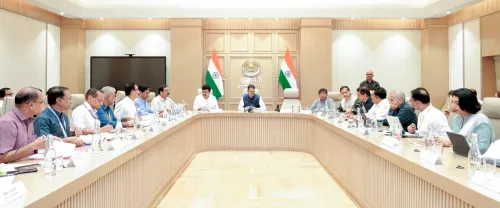
Chief Minister Devendra Fadnavis has unveiled a comprehensive water-conservation action plan for Maharashtra, building on the Jalyukta Shivar model to steer the drought-prone state toward water prosperity. The CMO announced the blueprint on November 20, 2026, calling it a critical step toward a drought-free Maharashtra.
Key Takeaways
Chief Minister Devendra Fadnavis has finalised a broad water-conservation action plan for Maharashtra , announced on November 20, 2026 .
The initiative is framed under the vision of moving 'from water conservation to water prosperity' ( जलसंधारणातून जलसमृद्धीकडे ).
The plan builds on Jalyukta Shivar Abhiyan , which Fadnavis launched in 2015 targeting 25,000 drought-prone villages .
Drought-affected regions of Marathwada and Vidarbha are the primary stakeholders, as both face chronic monsoon variability and groundwater depletion.
The state's approach continues to favour decentralised, village-level watershed structures over large inter-basin water transfers.
The detailed action-plan document and subsequent budget allocations are still awaited for full public scrutiny.
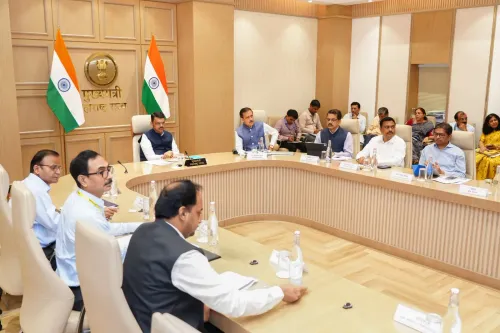
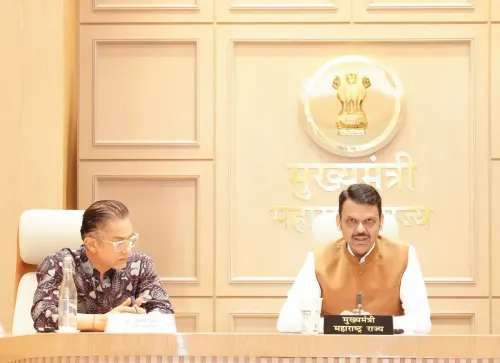
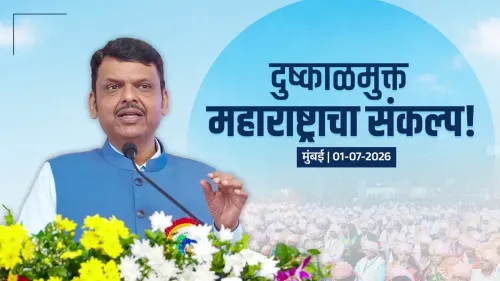
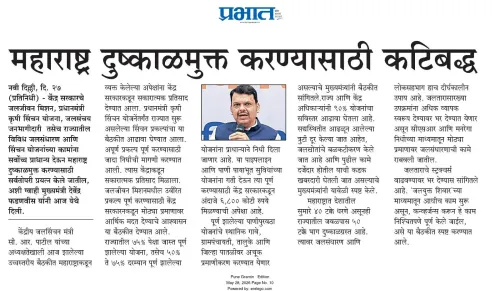
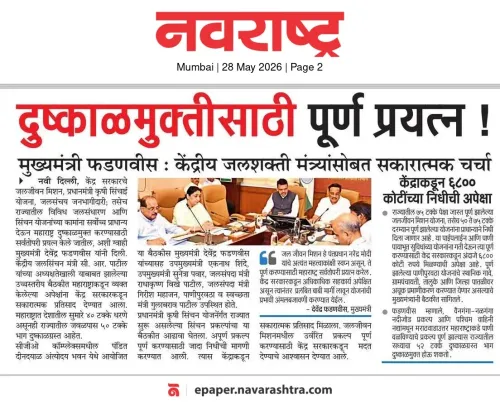
Maharashtra is charting a determined course from water scarcity to water abundance — and Chief Minister Devendra Fadnavis is putting a sweeping action plan behind that ambition. The Chief Minister's Office of Maharashtra announced on Friday, November 20, 2026, that a comprehensive water-conservation blueprint has been finalised under Fadnavis's leadership, framed as a critical step toward making the state drought-free.
The post, shared in Marathi, frames the initiative with a pointed phrase: 'जलसंधारणातून जलसमृद्धीकडे' — 'from water conservation toward water prosperity.' That is not just a slogan. For the drought-scorched districts of Marathwada and Vidarbha, it is a promise that has been tested and retested by successive Maharashtra governments for decades.
Jalyukta Shivar's long shadow — and the new blueprint
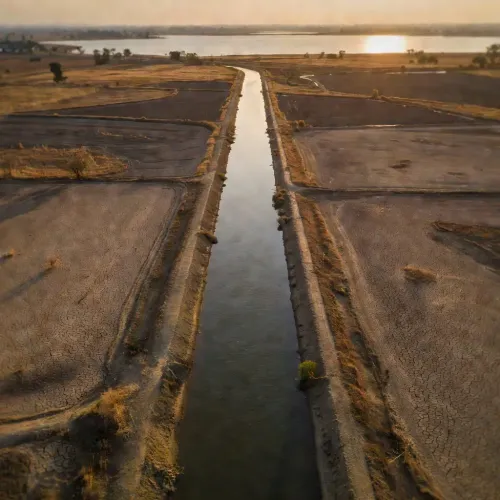
Fadnavis is no stranger to water-conservation politics. During his first stint as Chief Minister (2014–2019), he launched the flagship Jalyukta Shivar Abhiyan — a village-level watershed programme that targeted 25,000 drought-prone villages through desilting, percolation tanks, and micro-irrigation works. The scheme became the defining rural infrastructure effort of that administration.
The new comprehensive action plan appears to extend and deepen that model. While the full document is yet to be publicly released, the CMO's announcement signals a state-level strategic framework — not a piecemeal intervention. Maharashtra's approach has consistently favoured decentralised, village-scale structures over large inter-basin transfers, and this latest blueprint continues in that tradition.
Why drought-free remains an unfinished mission
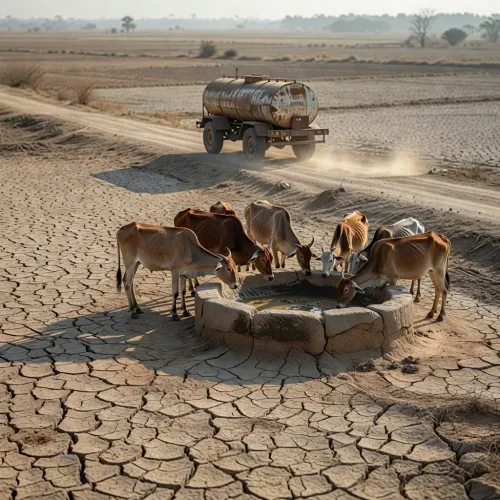
Maharashtra has run water-conservation missions since the 1990s, yet Marathwada and Vidarbha remain acutely vulnerable to monsoon variability and groundwater depletion. Each new administration inherits both the infrastructure of its predecessors and the political weight of farmer distress. The persistence of the problem — despite decades of effort — underlines that conservation structures alone must be paired with robust budget allocations and district-level execution orders.
The CMO's framing of this as a 'major step toward a drought-free state' sets a clear political benchmark. The next test will be whether the detailed plan is backed by specific funding in the state budget and time-bound implementation targets at the district level.
Maharashtra's farmers — especially those in the rain-shadow belt — have heard ambitious water promises before. This time, the question is whether the plan on paper becomes the pipeline on the ground.
Point of View
Fadnavis is consciously tying his second term to the rural-infrastructure credential that defined his first. The announcement serves a dual purpose: it signals policy continuity to the bureaucracy while also reminding drought-affected farming communities — a key electoral constituency — that this administration has an institutional memory of their distress. The real political test, however, is execution: Maharashtra's water-conservation programmes have historically suffered from gaps between announced targets and verified outcomes at the village level. If the new action plan is accompanied by transparent budget lines and third-party verification of works completed, it could set a new standard; if not, it risks becoming another cycle in a long pattern of ambitious announcements without durable impact.
NationPress
20 Nov 2026
Frequently Asked Questions
What is Maharashtra's new water conservation action plan about?
Chief Minister Devendra Fadnavis has finalised a comprehensive, state-level water-conservation blueprint aimed at making Maharashtra drought-free, building on the village-level watershed model pioneered by the Jalyukta Shivar Abhiyan.
What is Jalyukta Shivar Abhiyan?
Jalyukta Shivar Abhiyan is a statewide watershed management programme launched by Fadnavis in 2015, targeting 25,000 drought-prone villages through desilting, percolation tanks, and micro-irrigation works to create water neutrality at the village level.
Which parts of Maharashtra are most affected by drought?
The Marathwada and Vidarbha regions of Maharashtra are chronically vulnerable to drought, driven by monsoon variability and significant groundwater depletion.
When did CM Fadnavis announce the new water conservation plan?
The Chief Minister's Office of Maharashtra announced the comprehensive water-conservation action plan on Friday, November 20, 2026.
What comes next after the Maharashtra water conservation announcement?
The key next steps are the public release of the detailed action-plan document, followed by state budget allocations and district-level implementation orders to put the plan into practice.