CM Rekha Gupta Leads Post-Chhath Ghat Cleanup in Delhi
Synopsis
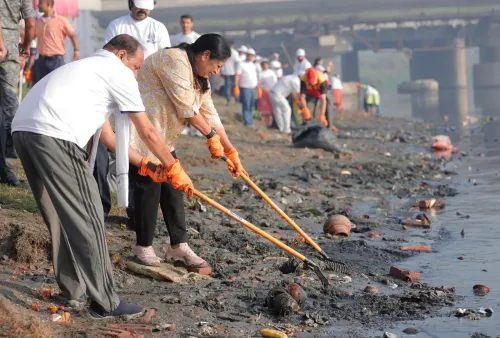
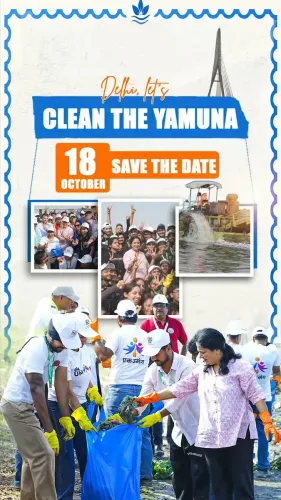
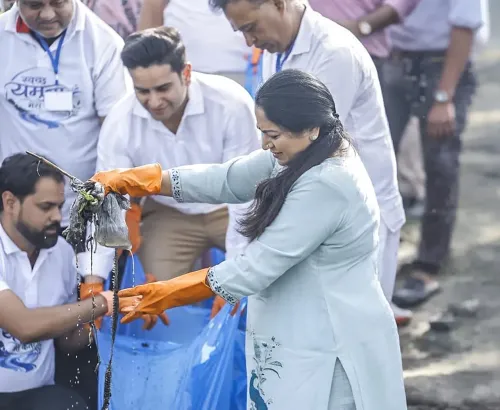
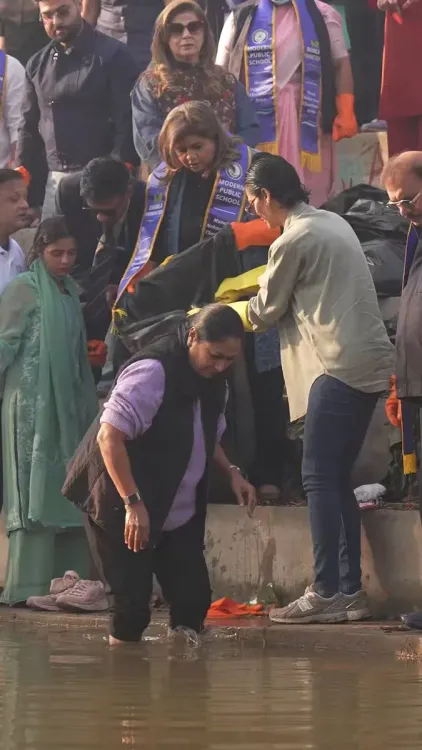
Delhi Chief Minister Rekha Gupta led a community cleanup of Yamuna ghats on 19 November 2026, days after Chhath Puja, rallying children and volunteers under the 'Aastha Bhi, Swachhta Bhi' message and the #ViksitDelhi campaign.
Key Takeaways
Delhi CM Rekha Gupta participated in a post- Chhath Puja ghat cleanup on 19 November 2026 .
The drive was held at Yamuna ghats , the same riverfront sites used for Chhath rituals days earlier.
Children, volunteers, and citizens were highlighted as leading the cleanup effort.
The initiative was framed under the slogan 'Aastha Bhi, Swachhta Bhi' — linking faith with cleanliness.
The campaign aligns with the Swachh Bharat Mission model of pairing major festivals with community sanitation drives.
CM Gupta tagged the effort under the #ViksitDelhi hashtag, connecting it to the broader Delhi development agenda.
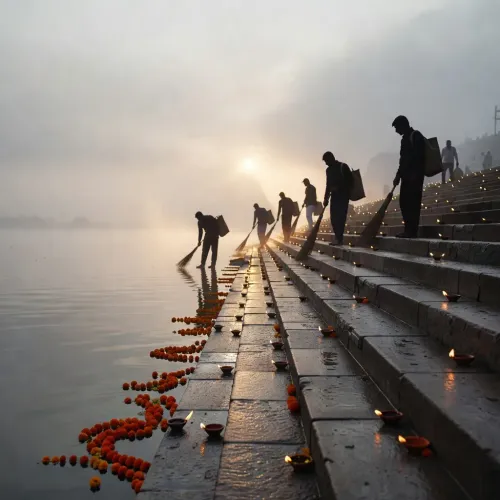
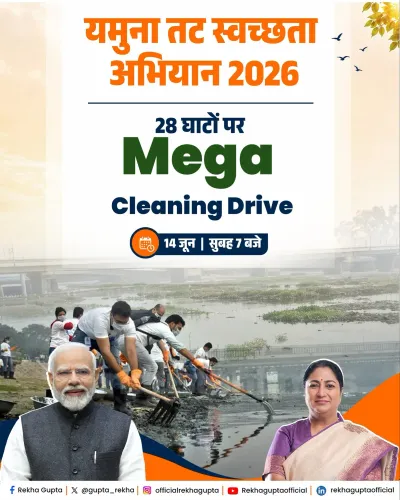
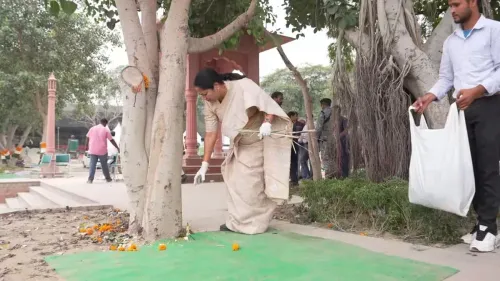
Faith and cleanliness walked hand in hand on the Yamuna ghats this Thursday, 19 November 2026, as Delhi Chief Minister Rekha Gupta joined citizens, volunteers, and children to scrub clean the same riverfront steps where thousands had gathered days earlier to observe Chhath Puja.
Posting on X with the slogan 'Aastha Bhi, Swachhta Bhi' — 'Faith too, Cleanliness too' — CM Gupta framed the drive as a natural continuation of the festival itself, not an afterthought. 'A few days ago, we came together to celebrate Chhath. Today, we came together to clean the same ghats,' she wrote, adding that seeing children lead the effort was 'so heartwarming.'
From Worship to Waste Removal on the Yamuna
Chhath Puja is one of Delhi's largest public gatherings, drawing hundreds of thousands of devotees — predominantly from Bihar and eastern Uttar Pradesh — to the city's ghats to offer arghya (ritual offerings) to the rising and setting sun. The sheer scale of the four-day festival inevitably leaves significant waste behind on the riverfront.
Delhi administrations have designated Yamuna ghats as official Chhath venues since the mid-2010s, partly to concentrate and then manage the post-festival cleanup. The model — celebrate, then immediately restore — has become a fixed rhythm in the capital's festival calendar.
Swachh Bharat's Citizen-Mobilisation Playbook
The drive fits squarely within the logic of the Swachh Bharat Mission, the national cleanliness programme launched in 2014 that explicitly encouraged linking major religious gatherings with community-led sanitation operations. Under that framework, festivals like Durga Puja, Ganesh Chaturthi, and Chhath across multiple Indian states have become recurring occasions to mobilise volunteers for waste removal — turning a cultural moment into civic action.
What makes the #ViksitDelhi framing notable is its emphasis on citizen ownership: children and volunteers, not just municipal workers, visibly leading the cleanup. That image — young Delhiites bending to restore a ghat their families had just prayed on — is precisely the participation model the Swachh Bharat Mission was designed to generate.
Municipal data on post-Chhath waste clearance volumes at Delhi's ghats will be the clearest measure of how much ground the drive actually covered.
Point of View
CM Rekha Gupta is deploying a well-worn but effective piece of the Swachh Bharat playbook — turning devotion into demonstrated governance. The 'Aastha Bhi, Swachhta Bhi' framing is politically deft: it respects the faith of Delhi's large Bihari and eastern UP diaspora while crediting the BJP-led administration with post-festival stewardship of the Yamuna riverfront. Placing children at the visual centre of the cleanup also insulates the drive from cynicism — it reads as civic education, not photo-op politics. The broader pattern here is one of competitive cleanliness optics in Indian urban governance, where cultural occasions have become recurring test-beds for citizen-mobilisation and administrative visibility.
NationPress
19 Nov 2026
Frequently Asked Questions
What is the post-Chhath cleanup at Yamuna ghats in Delhi about?
Following Chhath Puja celebrations on the Yamuna ghats , Delhi CM Rekha Gupta joined volunteers, children, and citizens on 19 November 2026 to clean the same riverfront sites used during the festival, as part of a drive she described under the slogan 'Aastha Bhi, Swachhta Bhi' — Faith too, Cleanliness too.
What does 'Aastha Bhi, Swachhta Bhi' mean?
' Aastha Bhi, Swachhta Bhi ' is a Hindi slogan meaning 'Faith too, Cleanliness too,' used by CM Rekha Gupta to frame the post-Chhath ghat cleanup as a natural extension of the religious festival rather than a separate civic obligation.
What is #ViksitDelhi?
#ViksitDelhi is a campaign hashtag used by the Delhi BJP government to associate governance initiatives — including cleanliness drives, infrastructure work, and citizen participation programmes — with a vision of a 'developed Delhi.'
How does Chhath Puja affect the Yamuna ghats in Delhi?
Chhath Puja draws hundreds of thousands of devotees to Yamuna ghats over four days for ritual offerings to the sun, leaving significant waste and floral debris behind. Delhi administrations have designated official Chhath ghat sites since the mid-2010s specifically to concentrate and then manage the post-festival cleanup.
How does the Swachh Bharat Mission connect to festival cleanups?
The Swachh Bharat Mission , launched in 2014 , explicitly promoted linking major religious gatherings with community sanitation drives. Post-festival cleanup campaigns after Chhath , Durga Puja , and Ganesh Chaturthi across Indian cities follow this framework of using cultural occasions to mobilise citizen participation.