CM Rekha Gupta Hails 12 Years of Modi Govt Health Reforms
Synopsis
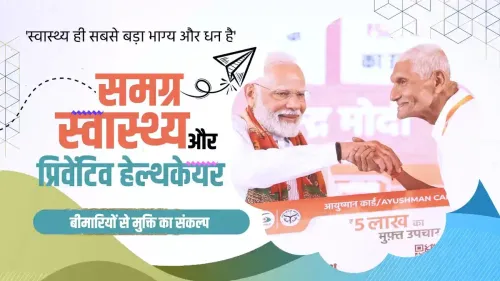
Delhi Chief Minister Rekha Gupta on June 14, 2026, marked 12 years of PM Modi's government by crediting schemes like Ayushman Bharat, Mission Indradhanush, and Jan Aushadhi with making healthcare a universal right and shielding crores of families from medical debt.
Key Takeaways
Delhi CM Rekha Gupta posted on June 14, 2026 , praising 12 years of the Modi government's health agenda under the hashtag #12YearsOfSwasthBharat .
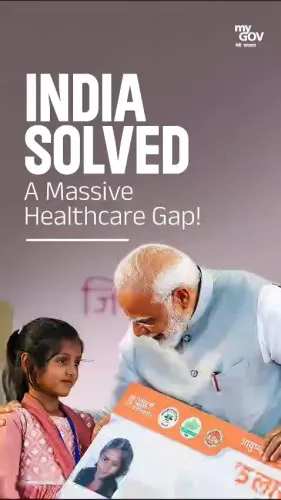
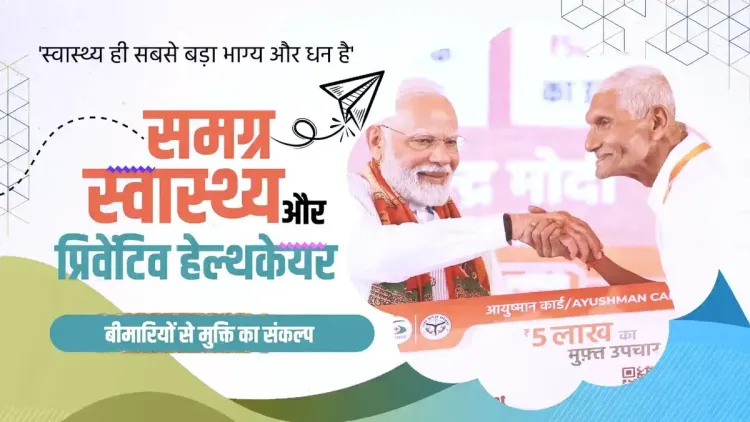
Ayushman Bharat , launched in September 2018 , offers up to Rs 5 lakh annual hospitalisation cover to eligible poor and middle-class families.
Mission Indradhanush , started in December 2014 , targeted universal immunisation for children and pregnant women in under-served areas.
Jan Aushadhi Kendras have expanded access to quality generic medicines at significantly lower prices since their relaunch in 2015 .
CM Gupta specifically highlighted free antenatal check-ups and telemedicine for women as giving 'a new dimension to maternal safety.' Cancer patients and middle-class households were cited as direct beneficiaries of tax relief and the generic-medicine network.
Delhi Chief Minister Rekha Gupta on Sunday, June 14, 2026, credited Prime Minister Narendra Modi with delivering 'epoch-making and unprecedented transformation' in India's healthcare sector over the past 12 years, citing flagship schemes that she said have made medical care a right for every citizen rather than a limited privilege.
Context
Posting under the hashtag #12YearsOfSwasthBharat (12 Years of a Healthy India), CM Gupta framed the anniversary of the Modi government — which first took office in May 2014 — as a milestone in public health. She wrote that schemes like Ayushman Bharat have freed poor and middle-class families from 'the heavy burden of treatment costs and the trap of debt,' calling them 'the greatest support' extended to ordinary households.
The post, written in Hindi, also cited Mission Indradhanush for achieving universal immunisation coverage, a 'record increase' in the number of AIIMS campuses, access to affordable medicines through Jan Aushadhi Kendras, and tax relief on cancer treatment as pillars of what she described as a 'strong protective shield for every section of society.'
Policy Backdrop
Ayushman Bharat Pradhan Mantri Jan Arogya Yojana, launched in September 2018, provides eligible families up to Rs 5 lakh per year in coverage for secondary and tertiary hospitalisation, targeting catastrophic out-of-pocket health expenditure that has historically pushed millions into poverty. The scheme is widely regarded as the world's largest publicly funded health insurance programme by beneficiary count.
Mission Indradhanush, rolled out in December 2014, was designed to close immunisation gaps left by the earlier Universal Immunisation Programme, focusing on children and pregnant women in under-served districts. The Jan Aushadhi scheme was relaunched in 2015 with a mandate to expand a national network of generic medicine outlets, significantly lowering household drug costs. Together, these programmes reflect the central government's dual strategy of demand-side financing through insurance and supply-side expansion of infrastructure and generic drugs.
Stakeholders and Impact
CM Gupta specifically highlighted women's health, noting that free antenatal check-ups for 'crores of mothers and sisters' and doorstep telemedicine services have given 'a new dimension to maternal safety.' The emphasis on nari shakti (women's empowerment) within health policy aligns with a broader central government effort to address India's maternal mortality gaps through targeted components embedded in flagship programmes.
Cancer patients were also mentioned as direct beneficiaries, with the CM pointing to tax exemptions on cancer treatment as part of the relief package. Middle-class families, who typically fall outside means-tested welfare but face significant medical debt, were identified alongside the poor as key beneficiaries of the generic-medicine and insurance architecture built over the past decade.
What's Next
The anniversary messaging signals that health reform will remain a central plank of BJP political communication ahead of future electoral cycles. Observers will watch for the next Union Health Budget to signal whether Ayushman Bharat coverage limits will be revised upward and whether new AIIMS campuses will be operationalised on schedule. At the state level, Delhi's own implementation of central health schemes under CM Gupta's government will be a key indicator of how the national policy architecture translates into ground-level outcomes for the capital's residents. CM Gupta concluded that the health of citizens is 'the strongest foundation of the resolve for a Viksit Bharat' — a Developed India.
Point of View
In this case healthcare, where tangible scheme names lend credibility to broader claims of transformation. By invoking Ayushman Bharat, Mission Indradhanush, and Jan Aushadhi in a single message, CM Gupta is reinforcing the BJP's welfare-state narrative ahead of what is expected to be a competitive political cycle. The deliberate inclusion of women's health and maternal care signals an effort to consolidate gains among women voters, a demographic the party has actively courted since 2014. The framing of citizen health as the 'foundation of Viksit Bharat' also ties the anniversary to the government's long-term 2047 development vision, elevating routine policy communication into a civilisational narrative.
NationPress
22 Sept 2026
Frequently Asked Questions
What is Ayushman Bharat and who benefits from it?
Ayushman Bharat Pradhan Mantri Jan Arogya Yojana, launched in September 2018, provides up to Rs 5 lakh per year in health insurance coverage for secondary and tertiary hospitalisation to eligible poor and vulnerable families, aiming to reduce catastrophic out-of-pocket medical expenses.
What did Delhi CM Rekha Gupta say about Modi government's health record?
On June 14, 2026, Delhi Chief Minister Rekha Gupta posted that PM Modi's 12 years in office have brought 'epoch-making and unprecedented transformation' to India's health sector, citing Ayushman Bharat, Mission Indradhanush, Jan Aushadhi Kendras, and women's health initiatives as key achievements.
What is Mission Indradhanush?
Mission Indradhanush is a government immunisation drive launched in December 2014 to achieve full vaccination coverage for children and pregnant women against vaccine-preventable diseases, targeting districts and populations that had been missed by earlier programmes.
What are Jan Aushadhi Kendras?
Pradhan Mantri Jan Aushadhi Kendras are government-backed retail outlets that sell quality generic medicines at significantly lower prices than branded alternatives. The scheme was relaunched in 2015 and has since expanded to thousands of locations across India.
What is the 12YearsOfSwasthBharat campaign?
'12 Years of Swasth Bharat' (Healthy India) is a hashtag-driven communication campaign marking 12 years of the Modi government, used by BJP leaders including Delhi CM Rekha Gupta to highlight health policy achievements since 2014.