CM Rekha Gupta Honours Anganwadi Workers at Poshan Maah Event
Synopsis
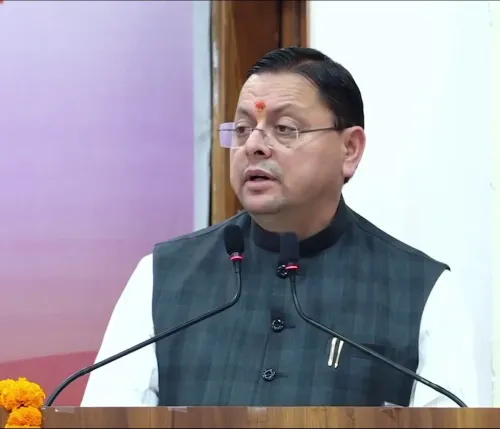
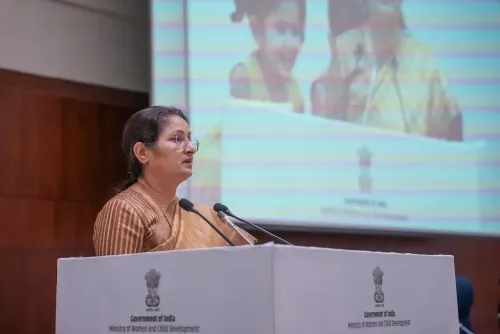
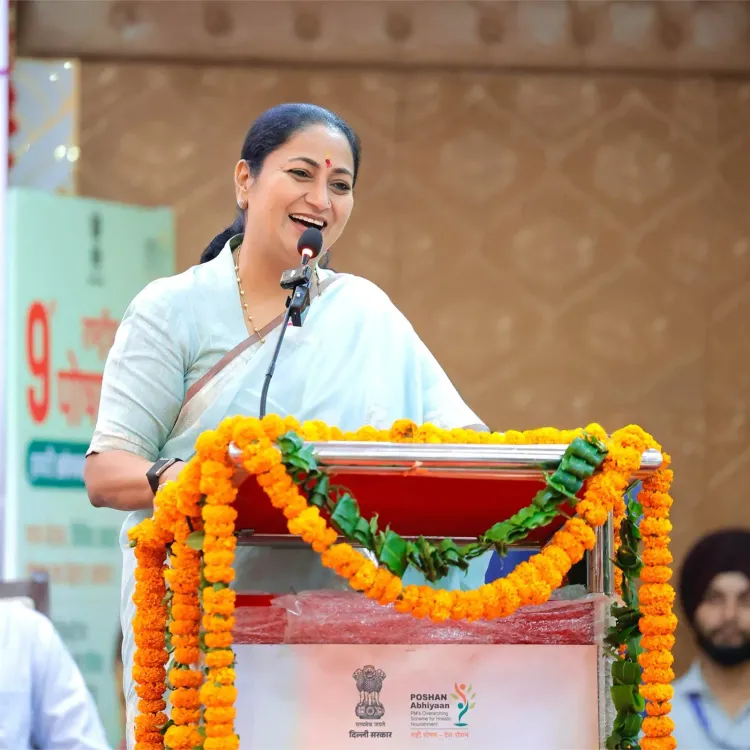
Delhi Chief Minister Rekha Gupta felicitated Anganwadi workers at the 'Aangan Ka Milan' event on 24 September 2026, marking the 9th National Nutrition Month, and pledged better facilities and empowerment for frontline child-care workers under the Seva Sankalp Abhiyan.
Key Takeaways
Delhi CM Rekha Gupta honoured Anganwadi workers at the 'Aangan Ka Milan' programme on 24 September 2026 .
The event was held under the 9th National Nutrition Month (Poshan Maah) and the Seva Sankalp Abhiyan .
CM Gupta pledged that the Delhi Government will enhance dignity, empowerment, and facilities for Anganwadi workers.
India's Integrated Child Development Services (ICDS) scheme, operational since 1975 , underpins the Anganwadi network of over 1.3 million centres nationwide.
POSHAN Abhiyaan , launched in 2018 , made annual Poshan Maah observances mandatory for states to recognise and mobilise frontline nutrition workers.
Municipal councillor Anita Jain and other local dignitaries attended the event.
They are, as Delhi Chief Minister Rekha Gupta put it on Thursday, 24 September 2026, the first teachers, the first nurturers, and the first friends a child meets beyond the walls of home — and for the first time in years, Delhi's top executive stood before them to say so in person.
Speaking at the 'Aangan Ka Milan' programme organised under the 9th National Nutrition Month (Poshan Maah) and the ongoing Seva Sankalp Abhiyan, CM Gupta felicitated Anganwadi workers across the capital. Her post, written in Hindi, carried the kind of warmth rarely found in government press releases: 'Bacche ke jeevan ki pehli seekh, pehla poshan aur ghar ke baad pehla sneh' — 'A child's first lesson, first nourishment, and first affection after home.'
Frontline work that built India's nutrition architecture
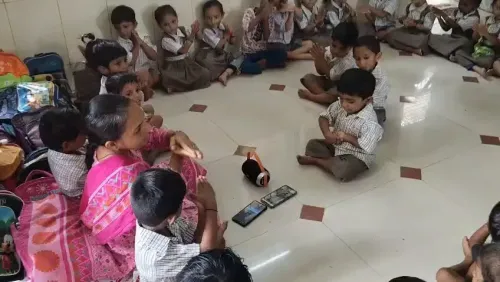
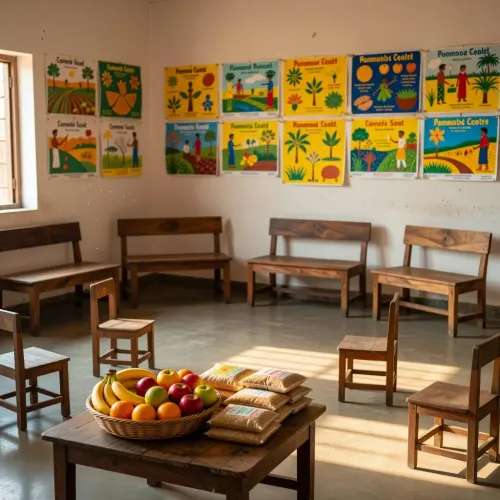
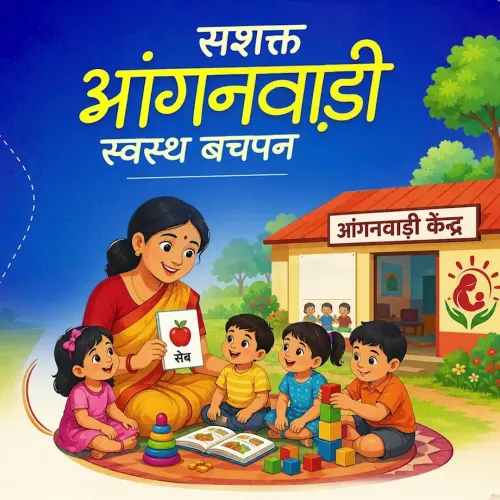
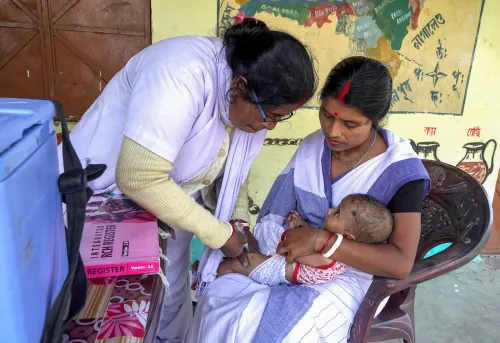
India's Integrated Child Development Services (ICDS) scheme, launched in 1975, created the Anganwadi network as the country's primary vehicle for supplementary nutrition, immunisation, and pre-school education. Today, more than 1.3 million Anganwadi centres operate nationwide — each one anchored by a worker and a helper who are, in practice, the state's face in millions of households.
The POSHAN Abhiyaan, launched by the central government in 2018, reinvigorated the network with technology tools and set measurable targets for reducing stunting, wasting, and anaemia. Poshan Maah — observed every September — became its most visible annual expression, pushing states to hold community events, screen children, and recognise frontline staff. This year marks the ninth edition of that observance.
Delhi's pledge: better pay, better facilities
CM Gupta went beyond ceremony. Her post carries an explicit governmental commitment: 'Dilli Sarkar ka sankalp hai ki... unka samman bhi badhe, unka sashaktikaran ho aur unhe behtar suvidhaen milein' — 'The Delhi Government resolves that their dignity be enhanced, they be empowered, and they receive better facilities.' That framing — linking public recognition with concrete institutional intent — is meaningful in a city where Anganwadi worker honorariums have been a recurring point of friction between successive administrations and worker unions.
Since 2015, multiple state governments have periodically revised honorariums and rolled out training upgrades for Anganwadi staff; Delhi under the current BJP administration is now signalling it intends to continue and deepen that trajectory. Municipal councillor Anita Jain and other local dignitaries were present at the event, reflecting the programme's reach into Delhi's ward-level governance.
What the Seva Sankalp Abhiyan means on the ground
The Seva Sankalp Abhiyan is a campaign designed to spotlight public service delivery and the people who make it work — Anganwadi workers being among its most emblematic beneficiaries. By tying the 'Aangan Ka Milan' event to both the national nutrition calendar and this campaign, the Delhi government is threading together three distinct policy strands: child health, women's empowerment, and grassroots governance visibility.
The real test comes in what follows the applause — whether revised honorariums, upgraded centres, or new training modules are announced before the Seva Sankalp Abhiyan concludes.
Point of View
Potentially setting a benchmark against which the administration will be measured. Delhi's Anganwadi workforce has historically been a mobilised constituency; a government that wins their visible goodwill gains a powerful last-mile communication network. The real political weight of today's event, however, will be judged by whether concrete honorarium revisions or infrastructure upgrades follow before the Seva Sankalp Abhiyan closes.
NationPress
24 Sept 2026
Frequently Asked Questions
What is the 'Aangan Ka Milan' programme?
'Aangan Ka Milan' is an event organised under the 9th National Nutrition Month and the Seva Sankalp Abhiyan to honour and recognise the contributions of Anganwadi workers in child nutrition and early education.
What is Poshan Maah and when is it observed?
Poshan Maah, or National Nutrition Month, is observed every September under the central government's POSHAN Abhiyaan. It promotes nutrition awareness and recognises frontline workers. 2026 marks its ninth edition.
What did Delhi CM Rekha Gupta promise for Anganwadi workers?
CM Rekha Gupta pledged that the Delhi Government would enhance the dignity, empowerment, and facilities available to Anganwadi workers, signalling potential revisions to honorariums and infrastructure.
What is the Seva Sankalp Abhiyan?
Seva Sankalp Abhiyan is a campaign focused on public service delivery and the recognition of frontline government workers, including Anganwadi staff, across India.
What is the history of Anganwadi centres in India?
Anganwadi centres were established under the Integrated Child Development Services (ICDS) scheme in 1975. They provide supplementary nutrition, pre-school education, and health check-ups, and today number over 1.3 million across the country.