CM Hemant Soren Appoints Hospital, Finance Managers in Jharkhand
Synopsis
Jharkhand Chief Minister Hemant Soren on 24 June 2026 announced the appointment of hospital managers and finance managers in state public hospitals, aiming to professionalise administration, free doctors for patient care, and bring transparency to health facility operations.
Key Takeaways
Jharkhand CM Hemant Soren announced appointments of dedicated hospital managers and finance managers in public hospitals on 24 June 2026 .
The reform is designed to separate clinical and administrative responsibilities, letting doctors focus entirely on patient care.
The move aligns with the National Health Policy 2017 and builds on the National Health Mission framework operational since 2013 .
Jharkhand has historically faced challenges in public health delivery due to its significant tribal population and under-resourced infrastructure.
The success of the reform will depend on district-level rollout, sustained budget support, and measurable patient-outcome improvements.
Jharkhand Chief Minister Hemant Soren on Wednesday, 24 June 2026, announced a significant reform in the state's public health system, marking the appointment of dedicated hospital managers and finance managers alongside doctors to professionalise hospital administration across Jharkhand.
Context
Posting in Hindi on X, CM Soren described the development as 'एक नई शुरुआत' ('a new beginning') for Jharkhand's health sector. He stated that just as doctors bear responsibility for treatment, equally large is the responsibility of efficient hospital operations and financial management — and that trained teams must shoulder administrative duties so that doctors can devote maximum time to patient care.
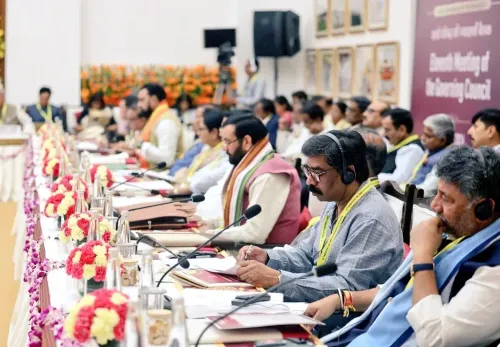
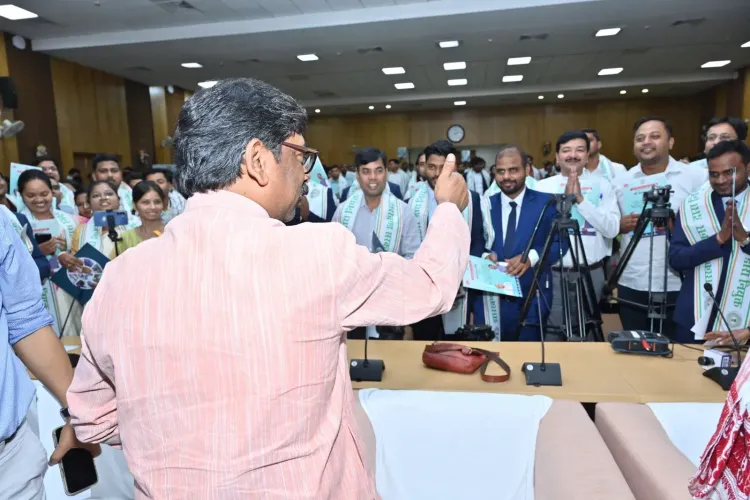
In his own words: 'Better health services are built not just from buildings, but from sensitive and dedicated human resources.' The announcement was accompanied by four images shared on the post, indicating an on-ground event or formal appointment ceremony.
Policy Backdrop
The move aligns with the National Health Policy 2017, which explicitly called for the creation of professional management cadres in public hospitals to improve efficiency and accountability. Jharkhand has been implementing components of the National Health Mission — a central scheme operational since 2013 — to address longstanding gaps in rural and district hospital administration.
The Ayushman Bharat programme, launched in 2018, further pushed states toward operational reforms in public hospitals, making managerial professionalisation a key deliverable. Jharkhand, an eastern state with a significant tribal population and historically under-resourced public health infrastructure, has faced persistent challenges in translating health budgets into on-ground service quality.
Across India, states have increasingly moved to separate clinical and administrative functions in government hospitals — a structural reform aimed at freeing doctors from paperwork and procurement duties while placing trained managers in charge of operations and finances.
Stakeholders and Impact
The primary beneficiaries of this reform are public hospital patients in Jharkhand, who stand to gain from more organised facilities and faster administrative processes. Doctors in the state's government hospitals are expected to see a reduction in non-clinical workload, allowing greater focus on diagnosis and treatment.
The newly appointed hospital managers and finance managers represent a professionalised layer of health administration that has been largely absent in many district and sub-district hospitals. Their presence is intended to bring transparency and accountability to procurement, budgeting, and day-to-day facility management.
What's Next
The critical test will be the pace and breadth of rollout across Jharkhand's districts, particularly in remote and tribal areas where health infrastructure is most stretched. Observers will watch whether state budget allocations are aligned to sustain these managerial posts beyond the initial appointment phase.
Performance audits and patient-outcome metrics tied to the new management structure will determine whether this reform translates into measurable improvements in public health delivery — or remains an administrative addition without systemic change.
Point of View
A state where public health indices have lagged behind national averages, inserting professional managers into the hospital chain is a structural bet rather than an incremental fix. The political optics are also notable: framing a human-resource appointment as a 'new beginning' signals that the Soren government is positioning health administration reform as a governance credential ahead of future electoral cycles. Whether the reform delivers will depend on whether managerial accountability mechanisms are built in from the start, or added as an afterthought.
NationPress
24 Jun 2026
Frequently Asked Questions
What did Hemant Soren announce for Jharkhand hospitals?
CM Hemant Soren announced the appointment of hospital managers and finance managers in Jharkhand's public hospitals to professionalise administration and free doctors for patient care.
Why are hospital managers being appointed in Jharkhand?
The appointments aim to separate administrative and financial duties from clinical work, so that doctors can devote maximum time to treating patients while trained managers handle operations and budgets.
How does this relate to the National Health Mission?
The National Health Mission, operational since 2013, supports states in strengthening health system human resources and administration — the framework under which such managerial appointments are typically structured.
Which patients will benefit from this Jharkhand health reform?
Patients using public hospitals across Jharkhand, particularly in rural and tribal areas, are the primary intended beneficiaries through more organised facilities and improved service delivery.
What will determine the success of this hospital management reform in Jharkhand?
Key indicators will include the speed of district-level rollout, sustained state budget allocation for these posts, and measurable improvements in patient outcomes and hospital operational efficiency.