CM Hemant Soren Chairs Draft Language Education Policy Meet
Synopsis
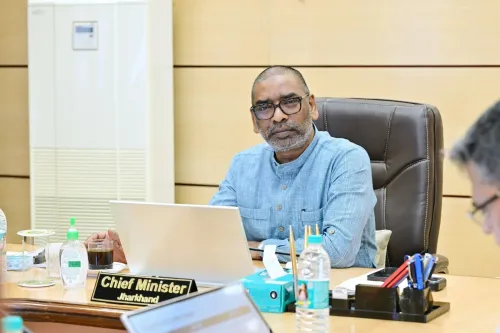
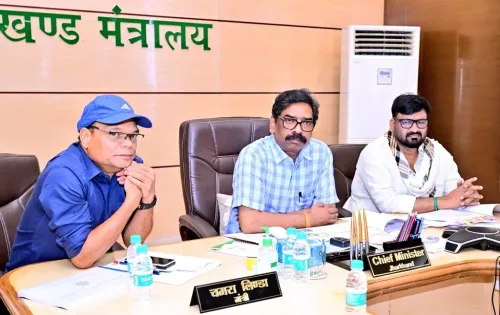
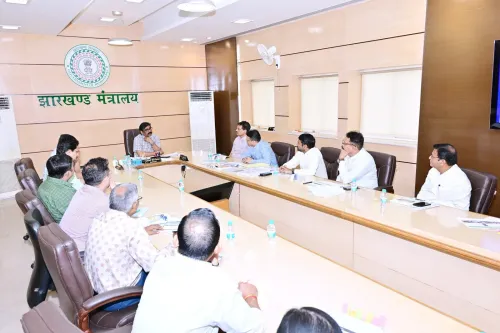
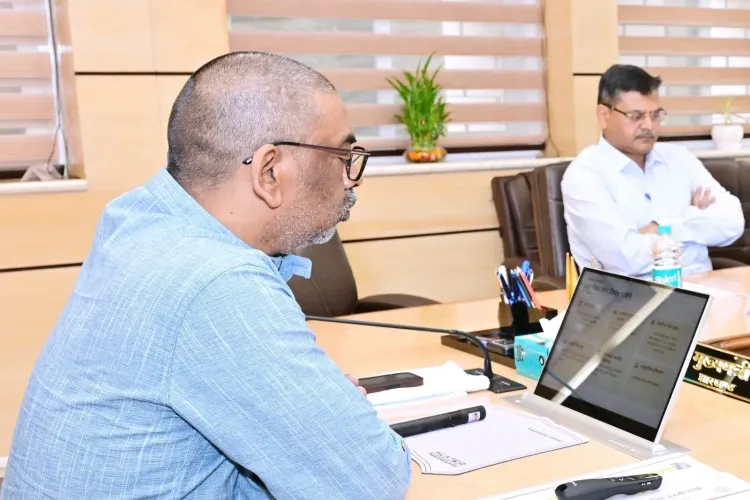
Chief Minister Hemant Soren chaired a review meeting at the Jharkhand Mantralaya on 4 November 2026 on the draft 'Jharkhand State Language Education Policy', issuing directions to officials to integrate tribal and regional languages into school education.
Key Takeaways
CM Hemant Soren presided over a draft-review meeting for the Jharkhand State Language Education Policy at the Mantralaya on 4 November 2026 .
The proposed policy aims to integrate tribal languages — including Santali, Mundari, Ho and Kurukh — into school instruction, particularly at foundational levels.
The initiative aligns with the National Education Policy 2020 mandate on mother-tongue and regional-language instruction in early grades.
The Jharkhand Education Project Council (JEPC) is involved as the implementing body for school education programmes.
The draft requires state cabinet approval before any rollout or pilot programme in government schools can begin.
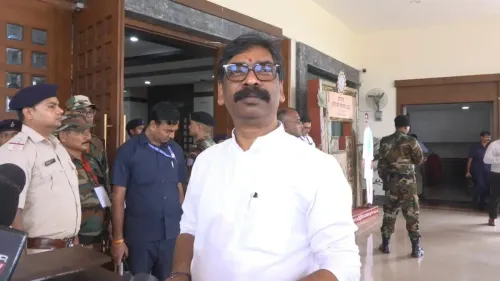
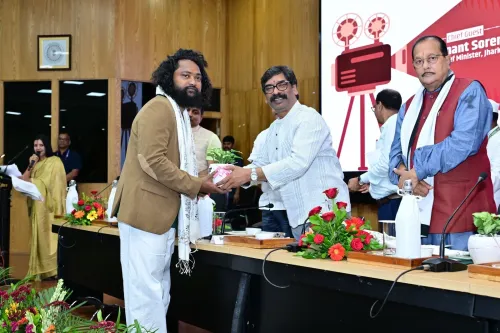
Tribal children learning to read in their mother tongue — not just in Hindi — moved a step closer to reality on Wednesday, 4 November 2026, when Chief Minister Hemant Soren chaired a high-level meeting at the Jharkhand Mantralaya to review the draft 'Jharkhand State Language Education Policy' and issued key directions to officials.
What the draft policy seeks to do
The proposed framework aims to integrate Jharkhand's regional and tribal languages — including Santali, Mundari, Ho and Kurukh — into school education, particularly at the foundational levels. The push is a direct state-level adaptation of the National Education Policy 2020, which mandates mother-tongue or regional-language instruction in early grades and calls on states to build their own implementation blueprints.
The Jharkhand Education Project Council (JEPC), the state's nodal body for school education programmes, was part of the deliberations — a signal that implementation infrastructure is already being drawn into the planning loop.
Why Jharkhand's tribal-language gap matters
Jharkhand is home to one of India's largest tribal populations, with millions of students entering classrooms where instruction is conducted in a language different from the one spoken at home. Research on early childhood learning consistently links mother-tongue instruction to higher retention, better comprehension, and lower dropout rates — a pressure point that successive state governments have tried, with mixed results, to address.
The current draft meeting under CM Soren, who leads the Jharkhand Mukti Morcha (JMM) and has anchored his tenure on tribal welfare, signals fresh political will to push the policy from draft to implementation. His government has previously enacted tribal-language protections, and a formal language-in-education policy would institutionalise those efforts at the curriculum level.
The road from draft room to classroom
The draft must still clear the state cabinet before any rollout in government schools. Officials have been given directions — the specifics of which have not yet been made public — to refine the framework. What matters next: whether the cabinet approves it intact, what timelines are set for pilot programmes, and how teacher training for minority-language instruction is structured. Those details will determine whether November 2026's meeting room translates into a changed experience for a child opening a textbook in Ranchi, Dumka or Khunti.
For now, Jharkhand has put the policy conversation firmly on the official table. The next move belongs to the cabinet.
Point of View
Formalising a tribal-language education policy serves a dual purpose: improving measurable learning outcomes for a historically underserved student base and reinforcing the JMM's tribal-identity politics ahead of future electoral cycles. The involvement of JEPC from the drafting stage suggests the government is thinking about implementation logistics, not just policy optics. Whether the cabinet clears the draft without dilution will be the real test of political commitment.
NationPress
4 Nov 2026
Frequently Asked Questions
What is the Jharkhand State Language Education Policy?
It is a draft state policy under review by the Hemant Soren government that aims to integrate Jharkhand's regional and tribal languages — such as Santali, Mundari, Ho and Kurukh — into school education, particularly at foundational levels, in line with the National Education Policy 2020.
Why did CM Hemant Soren chair a meeting on the language policy?
CM Soren chaired the meeting at the Jharkhand Mantralaya on 4 November 2026 to review the draft policy and issue directions to officials on refining and advancing it toward cabinet approval.
What is JEPC and what is its role in this policy?
JEPC stands for the Jharkhand Education Project Council, the state's nodal body for implementing school education programmes. It was part of the policy meeting, indicating it will play a key role in executing the language education framework once approved.
How does this policy connect to NEP 2020?
The National Education Policy 2020 mandates mother-tongue or regional-language instruction in early grades and encourages states to build their own implementation frameworks. Jharkhand's draft language education policy is a direct state-level adaptation of this mandate.
What happens next with the Jharkhand Language Education Policy?
The draft must receive state cabinet approval before any rollout or pilot programme begins in government schools. Officials have been given directions to refine the framework, and the cabinet decision will be the key milestone to watch.