CM Hemant Soren Hands Appointment Letters to Jharkhand Health Officers
Synopsis
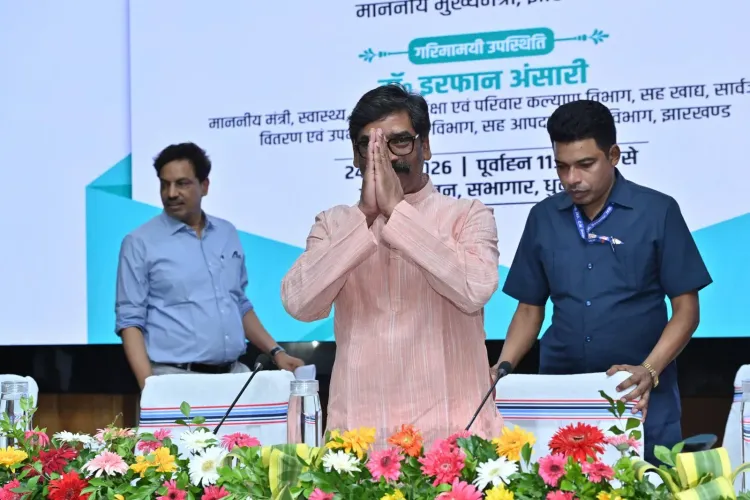
Jharkhand CM Hemant Soren on 24 June 2026 handed appointment letters to JPSC-selected Food Safety Officers and NHM-recruited Specialist Medical Officers, Senior Hospital Managers, and Finance Managers, calling it a key step in strengthening the state's healthcare system.
Key Takeaways
CM Hemant Soren distributed appointment letters on 24 June 2026 to newly selected health-sector officers in Jharkhand.
Appointees include Food Safety Officers selected via the Jharkhand Public Service Commission (JPSC) under the Health Department.
Officers recruited under the National Health Mission (NHM) include Specialist Medical Officers, Senior Hospital Managers, and Finance Managers .
The NHM has been the central framework for state health-system staffing since its launch in 2005 (renamed 2013 ).
Soren described the drive as part of a broader push to create youth employment and strengthen public services across health, education, and agriculture.
The appointments are expected to address chronic staff shortages in Jharkhand's tribal and rural districts.
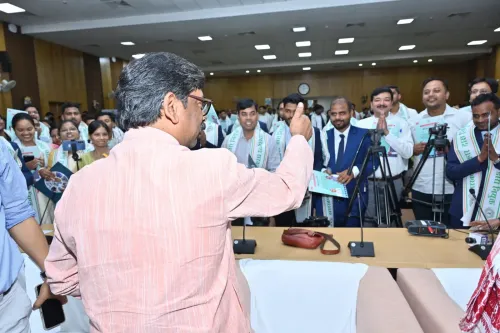
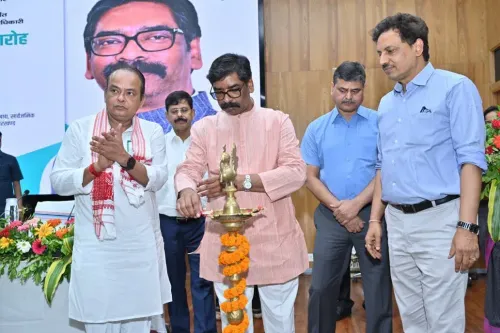
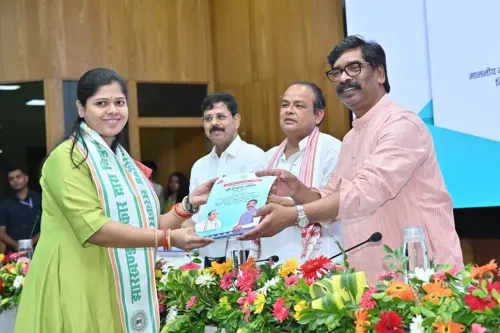
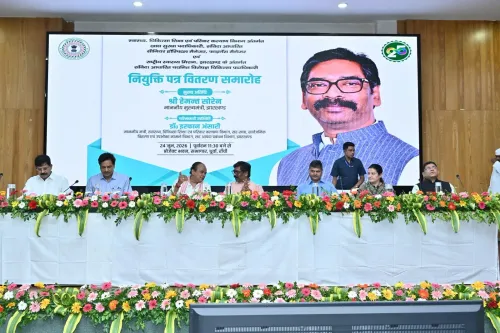
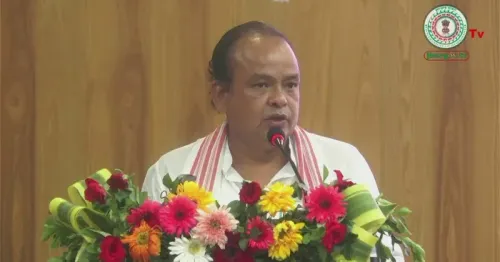
Jharkhand Chief Minister Hemant Soren on Wednesday, 24 June 2026, handed appointment letters to Food Safety Officers selected through the Jharkhand Public Service Commission (JPSC) and to Specialist Medical Officers, Senior Hospital Managers, and Finance Managers recruited under the National Health Mission (NHM), describing the event as a significant step toward strengthening the state's health system.
Context
Posting on X in Hindi, CM Soren said he got the opportunity to hand over appointment letters to the newly selected officers and extended his congratulations and greetings — including the traditional Jharkhand salutation 'Johar' — to all appointees. He described the drive as 'an important step in the direction of empowering Jharkhand's health system' (Jharkhand ke swasthya tantra ko sashakt banane ki disha mein yeh ek mahatvapurna kadam hai).
The appointments span two distinct channels: officers selected through the JPSC for food safety roles under the Health Department, and medical and managerial personnel hired through the NHM framework, which supports state-level recruitment of specialist doctors and health-system managers.
Policy Backdrop
The National Health Mission was launched as the National Rural Health Mission in 2005 and renamed in 2013 to enable states to recruit specialist medical officers, hospital managers, and finance managers for district-level health systems. It remains the principal central scheme through which states like Jharkhand fill critical gaps in public healthcare staffing.
The Jharkhand Public Service Commission is the state's constitutional recruitment body and conducts competitive examinations for a range of civil posts, including Food Safety Officers who inspect and regulate food quality across the state's markets and supply chains.
Stakeholders and Impact
CM Soren framed the appointments as part of a broader government commitment, stating that 'our government is continuously conducting appointments across various sectors including education, health, and agriculture to give opportunities to youth and strengthen public services.' This positions the drive as both an employment initiative for young professionals and a service-delivery upgrade for ordinary citizens.
The impact is expected to be most pronounced in Jharkhand's tribal and rural districts, where chronic staff shortages have historically limited access to specialist care, hospital administration, and food-safety enforcement. Newly posted Specialist Medical Officers and Hospital Managers will directly affect the quality of care available at district hospitals.
What's Next
The Soren government has signalled that recruitment drives will continue across the education and agriculture departments, consistent with a pattern of rolling appointments the administration has pursued to fill long-standing vacancies. Analysts and civil-society groups are likely to watch whether the newly appointed officers are posted promptly to underserved areas and whether follow-up performance audits are conducted. Any fresh state health budget allocations or NHM performance reviews will be closely tracked as indicators of whether the staffing push translates into measurable improvements on the ground.
Point of View
The Chief Minister is simultaneously building a governance narrative ahead of future electoral cycles. The focus on tribal and rural districts aligns with the JMM's core political constituency, making these appointments as much a political consolidation exercise as an administrative one. The real test will be whether posting orders reach underserved blocks swiftly and whether the health system shows measurable improvements in staffing ratios and service delivery.
NationPress
24 Jun 2026
Frequently Asked Questions
Who received appointment letters from CM Hemant Soren on 24 June 2026?
Food Safety Officers selected by the Jharkhand Public Service Commission and Specialist Medical Officers, Senior Hospital Managers, and Finance Managers recruited under the National Health Mission received appointment letters from CM Hemant Soren on 24 June 2026.
What is the National Health Mission and why does it matter for Jharkhand?
The National Health Mission is a central government scheme, launched in 2005 and renamed in 2013, that enables states to recruit specialist doctors, hospital managers, and finance managers for district health systems. For Jharkhand, it is the primary route to fill clinical and managerial vacancies in rural and tribal areas.
What does the JPSC do in Jharkhand's recruitment process?
The Jharkhand Public Service Commission is the state's constitutional body that conducts competitive examinations and selects candidates for civil posts, including Food Safety Officers who inspect and regulate food quality across the state.
How does this appointment drive fit into Hemant Soren's governance agenda?
CM Soren has framed the appointments as part of a broader commitment to conducting recruitment across health, education, and agriculture, aiming to provide employment opportunities to youth and strengthen frontline public service delivery.
Which areas of Jharkhand will benefit most from these new health appointments?
Tribal and rural districts of Jharkhand, which face the most severe shortages of specialist medical staff and hospital administrators, are expected to benefit most from the newly appointed officers.