CM Hemant Soren Hands Out Health Dept Appointment Letters in Ranchi
Synopsis
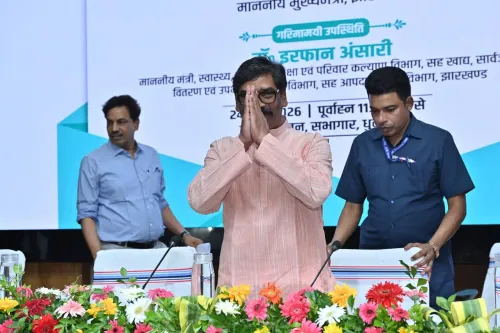
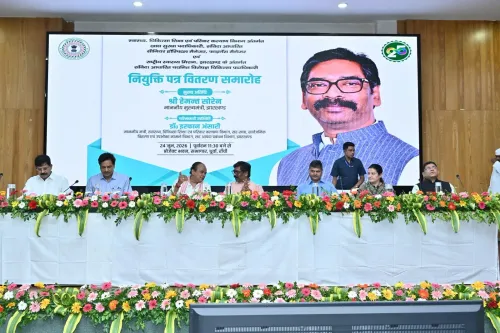
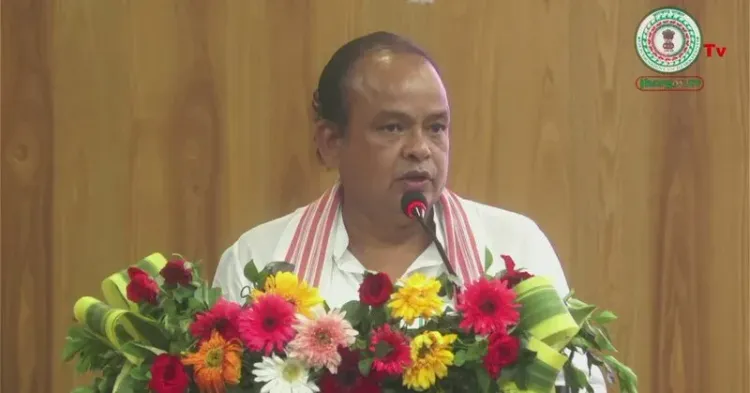
Jharkhand Chief Minister Hemant Soren attended a Health Department appointment letter distribution ceremony at Project Bhawan, Ranchi, on 24 June 2026, congratulating new recruits and their families in a bid to address long-pending vacancies in the state's public health workforce.
Key Takeaways
Jharkhand Chief Minister Hemant Soren presided over a Health Department appointment letter distribution ceremony at Project Bhawan, Ranchi , on 24 June 2026 .
The event marks a formal induction of new recruits into the Jharkhand State Health Department , which oversees public healthcare delivery across the state.
Soren called the occasion 'historic' and extended congratulations — including the traditional greeting Johar — to candidates and their families.
Jharkhand has long faced below-average doctor-to-patient ratios, particularly in rural and tribal districts, making health sector recruitment a priority for successive governments.
The next key milestone is the deployment of newly appointed health workers to district hospitals and community health centres across the state.
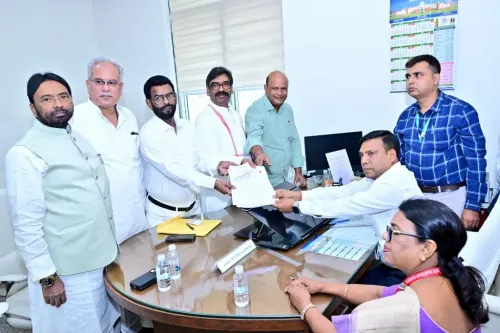
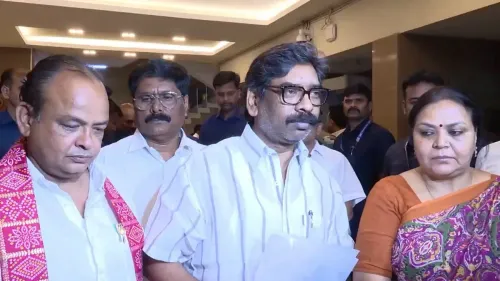
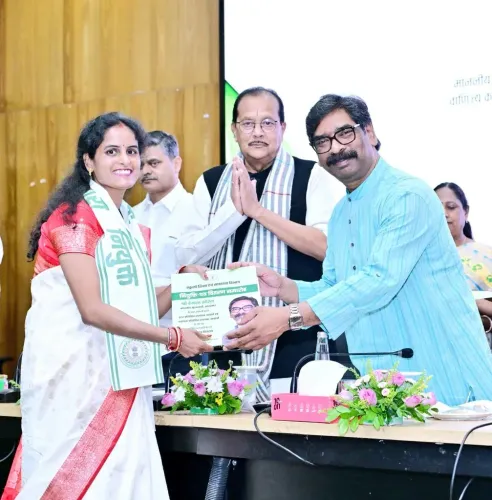
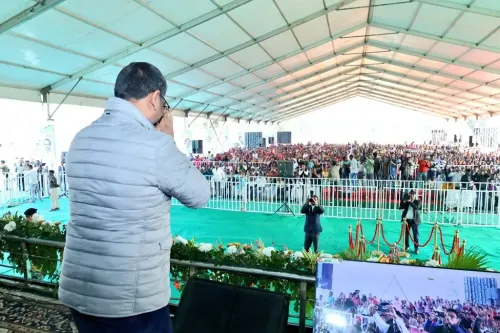
Jharkhand Chief Minister Hemant Soren attended an appointment letter distribution ceremony organised by the State Health Department at Project Bhawan, Ranchi, on Wednesday, 24 June 2026. The event brought together newly recruited health sector candidates and their families for a formal induction into government service.
Posting on X, Soren wrote: 'Aaj Ranchi ke Project Bhawan mein Swasthya Vibhag antargat niyukti patra vitaran samaroh mein shamil hua.' ['Today I attended the appointment letter distribution ceremony under the Health Department at Project Bhawan in Ranchi.'] He extended his congratulations and the traditional Jharkhand greeting Johar to all the candidates and their families, calling it a 'historic occasion'.
Context
Project Bhawan in Ranchi is a key government administrative complex and a frequent venue for high-profile state government functions. Appointment letter distribution ceremonies of this kind are designed to give newly selected government employees formal recognition and signal the state's commitment to filling long-pending vacancies.
The Jharkhand Health Department is responsible for public healthcare delivery across the state, including staffing district hospitals, community health centres, and primary health centres that serve a largely rural and tribal population.
Policy Backdrop
Successive governments in Jharkhand have grappled with significant vacancies in the public health workforce, particularly in remote and tribal districts where doctor-to-patient ratios fall below national averages. Periodic large-scale recruitment drives have been a recurring administrative tool to address this structural gap.
The Hemant Soren-led administration, backed by the Jharkhand Mukti Morcha (JMM), has continued to hold public ceremonies for appointment letter distribution as a way of making the recruitment process visible and accountable to citizens. These events also serve as a public reaffirmation of the government's employment agenda.
Stakeholders and Impact
The most direct beneficiaries of this recruitment drive are the newly appointed healthcare workers and their families, many of whom may be first-generation government employees from tribal or rural backgrounds. Beyond the recruits themselves, rural and tribal patients across Jharkhand stand to benefit from improved staffing at district and sub-district health facilities.
Healthcare worker unions and civil society groups focused on public health in Jharkhand have long advocated for faster filling of vacancies, arguing that understaffed facilities undermine the quality of care available to the state's most vulnerable communities.
What's Next
Attention will now turn to how swiftly the newly appointed health workers are deployed to their respective postings, particularly in underserved districts. Any follow-up announcements from the Jharkhand Health Department on additional recruitment rounds or infrastructure upgrades at district hospitals will be closely watched by healthcare advocates and opposition parties alike.
If the current administration maintains the pace of health sector hiring, it could meaningfully shift the state's doctor-to-patient ratio — a metric that has historically placed Jharkhand among the more underserved states in India.
Point of View
Framing government recruitment as a visible act of delivery rather than a bureaucratic formality. For the JMM-led administration, health sector hiring in a state with below-average doctor-to-patient ratios carries both governance weight and electoral resonance, especially among tribal and rural constituencies. The use of the traditional greeting Johar in the official communication also underscores the administration's consistent effort to project cultural affinity with Jharkhand's indigenous communities. Whether the pace of deployment matches the pace of recruitment will be the real test of this initiative's impact.
NationPress
22 Sept 2026
Frequently Asked Questions
What happened at Project Bhawan Ranchi on 24 June 2026?
Jharkhand Chief Minister Hemant Soren attended a Health Department appointment letter distribution ceremony at Project Bhawan in Ranchi on 24 June 2026, where newly recruited health sector candidates received their formal appointment letters.
How many health workers were appointed in Jharkhand in this recruitment drive?
The exact number of appointments made at this ceremony has not been officially confirmed. The Jharkhand government is expected to release detailed figures through an official statement.
Why is health recruitment important for Jharkhand?
Jharkhand has historically faced a shortage of healthcare workers, with doctor-to-patient ratios falling below national averages, especially in remote and tribal districts. Filling these vacancies is critical to improving public health service delivery across the state.
What is Project Bhawan in Ranchi?
Project Bhawan is a key government administrative complex in Ranchi, the capital of Jharkhand, and a regular venue for official state government ceremonies and announcements.
What is 'Johar' that CM Hemant Soren used in his post?
'Johar' is a traditional greeting used by the indigenous tribal communities of Jharkhand. Chief Minister Hemant Soren regularly uses it in official communications as a mark of cultural identity and solidarity with the state's tribal population.