CM Himanta eyes Assam's place in India's concert economy
Synopsis
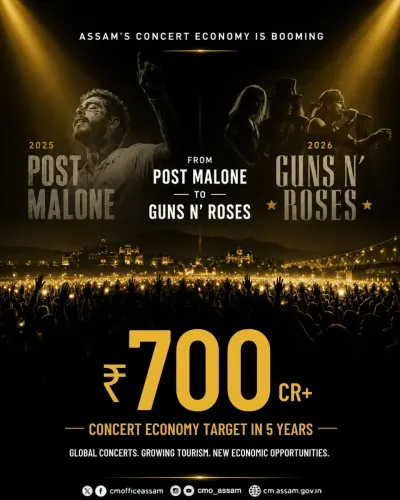
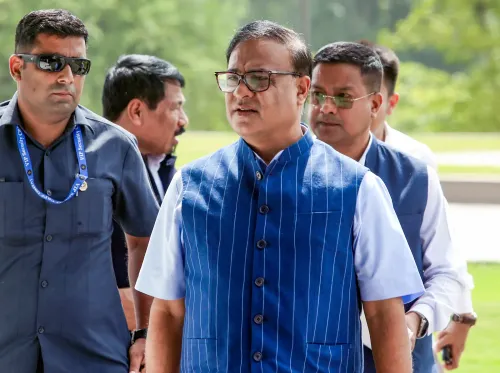
Assam Chief Minister Himanta Biswa Sarma declared on November 18, 2026 that Assam is 'winning a prominent place in India's concert economy,' signalling a deliberate state push to leverage live cultural events for tourism and economic growth.
Key Takeaways
Himanta Biswa Sarma publicly framed Assam's hosting of concerts and cultural events as an economic-development strategy, not just a cultural gesture.
The CM explicitly prioritised economic positioning over popularity metrics, saying 'we may or may not win new fans.' Assam is part of a broader national trend of state governments competing to attract live-entertainment events to boost tourism revenue.
The North-East's geographic distance from metro hubs has historically limited its access to India's live-event circuit — Sarma's remarks signal intent to close that gap.
Future indicators to watch include concert infrastructure investments and official tourism-footfall figures from the Assam government.
A casual but pointed remark from Assam Chief Minister Himanta Biswa Sarma on Wednesday, November 18, 2026 captures something larger than a social-media aside — it signals a deliberate state-level bet on the live-entertainment economy.
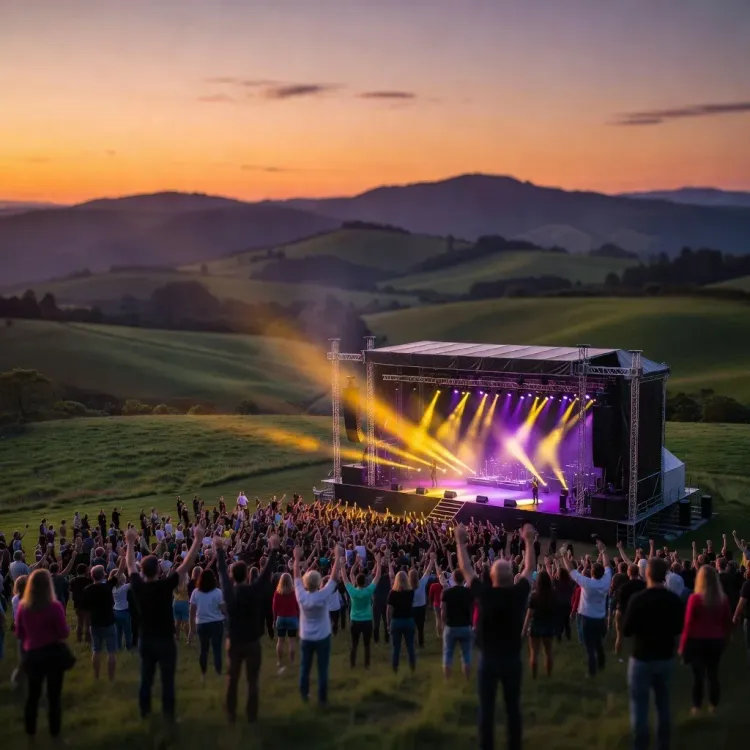
Responding to what appears to be feedback about a recent concert or cultural event in the state, Sarma wrote: 'So nice to hear! We may or may not win new fans, but Assam is definitely winning a prominent place in India's concert economy. That's all I wish for.'
From folklore to footfall: Assam's cultural-economy push
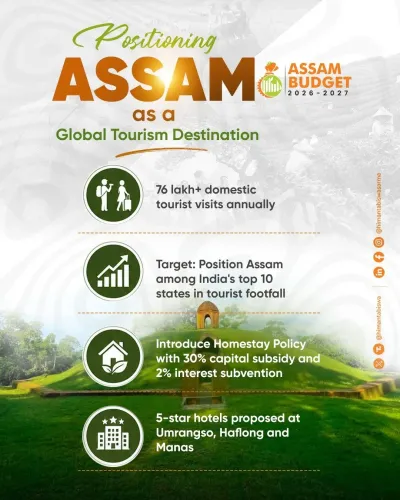
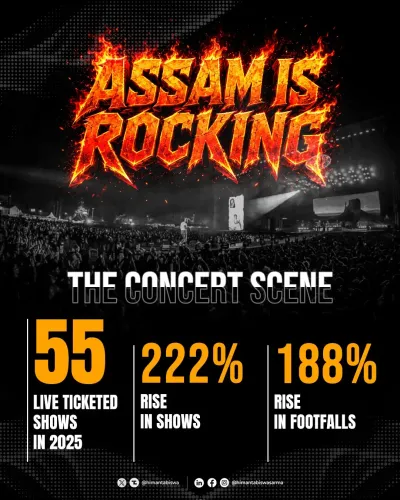
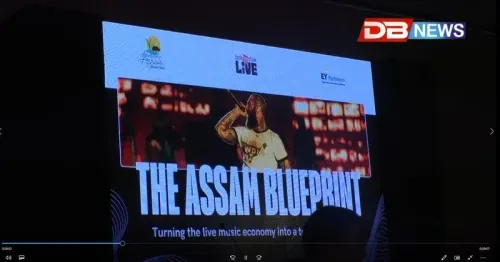
Indian states have increasingly discovered that live music and cultural festivals do what billboards cannot — they move people. Assam, long celebrated for its tea gardens, Bihu performances, and river-island biodiversity, has been methodically layering large-scale entertainment events onto that foundation. The goal is straightforward: draw visitors, generate local spending, and stamp the state's name on the national cultural map.
Sarma's framing is telling. He explicitly sidesteps vanity metrics — winning fans, generating applause — and anchors his ambition in economic terms: a 'prominent place in India's concert economy.' That is the language of a state administrator thinking about tourism receipts and hospitality jobs, not just optics.
The national race to host live events
Across India, states from Rajasthan to Maharashtra to Telangana have competed fiercely for marquee concerts, music festivals, and sporting spectacles, recognising that the experience economy is one of the fastest-growing segments of consumer spending. For the North-East, geographic distance from metro hubs has historically been a barrier — both for artists routing tours and for audiences weighing travel costs.
Breaking into that circuit, even incrementally, matters. Each successful large event builds the case for the next one: better infrastructure investment, improved logistics, and a track record that event organisers can point to. Sarma's low-key, grounded tone — 'we may or may not win new fans' — suggests the government is playing a long game rather than chasing a single headline moment.
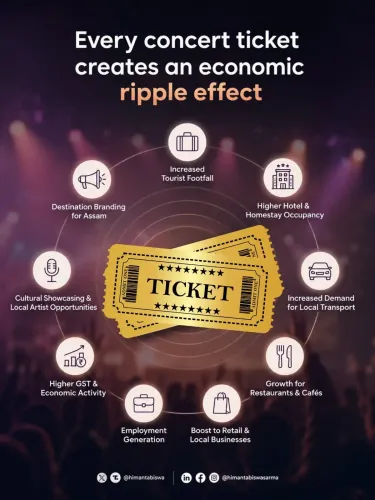
If Assam can consistently deliver well-run cultural events, the economic multiplier — hotel bookings, local transport, food stalls, artisan markets — compounds quietly. That, more than any single concert's success, is what the Chief Minister appears to be watching for.
Point of View
Filling a gap that manufacturing and IT investment has not yet bridged. By framing concert-hosting in terms of economic positioning rather than cultural prestige, Sarma aligns with a broader BJP-governed-state playbook that ties cultural visibility to investor confidence and tourism metrics. The low-key, almost self-deprecating tone is also strategic — it sets modest public expectations while the groundwork is quietly laid. Watch whether Assam's event calendar over the next 12 months backs the rhetoric with actual bookings.
NationPress
18 Nov 2026
Frequently Asked Questions
What did Assam CM Himanta Biswa Sarma say about concerts?
On November 18, 2026, Sarma said Assam is 'winning a prominent place in India's concert economy,' framing large cultural events as a tool for state economic development rather than mere entertainment.
Why is Assam focusing on the concert and live-events economy?
Assam is using live music and cultural festivals to drive tourism spending, attract visitors from across India, and compete with other states that have long dominated the live-entertainment circuit.
How does Assam's concert push fit India's broader cultural tourism trend?
States across India — from Rajasthan to Telangana — have been competing to host marquee events, recognising that the experience economy generates significant hospitality and retail spending. Assam is now joining that race.
What economic benefits can concerts bring to Assam?
Successful large-scale events generate a multiplier effect through hotel bookings, local transport, food and beverage sales, and artisan markets, boosting the broader tourism economy beyond the event itself.
What should we watch next regarding Assam's cultural economy plans?
Key signals to follow include Assam government announcements on concert infrastructure, official tourism-footfall data, and the volume and scale of events booked in the state over the coming year.