CM Himanta Showcases Assam's Flowering Roads in Spring
Synopsis
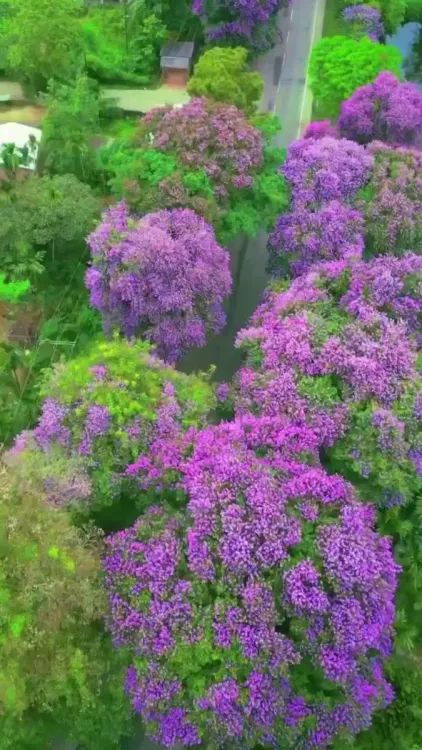
Assam Chief Minister Himanta Biswa Sarma highlighted the state's spring flowering avenues — Krishnachura, Ejar, Sonaru and Cherry Blossoms — in a social-media video, framing a road trip through these corridors as a window into Assam's natural splendour and boosting seasonal tourism visibility.
Key Takeaways
Chief Minister Himanta Biswa Sarma posted a video on 23 May 2026 showcasing Assam's flowering road avenues.
Four species were specifically named: Krishnachura , Ejar , Sonaru and Cherry Blossoms .
The post frames a seasonal road trip as the best way to experience Assam's natural landscape.
Assam has a long history of avenue tree plantation combining native and ornamental species along state road corridors.
The promotion aligns with the state's broader push to develop eco-tourism as an economic pillar alongside tea, oil and agriculture.
Local communities and tourism operators along flowering road corridors stand to benefit from increased seasonal visitor interest.
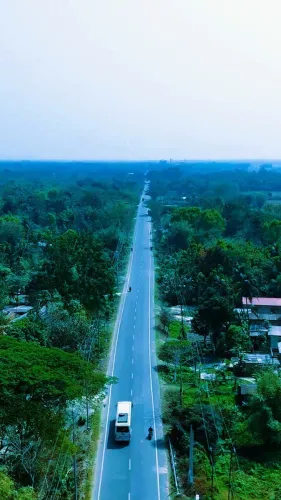
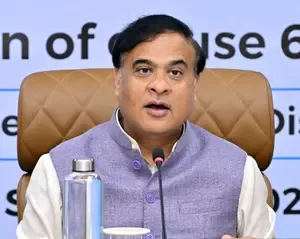
Assam Chief Minister Himanta Biswa Sarma on Saturday, 23 May 2026, took to social media to celebrate the state's seasonal flowering landscapes, describing how avenues lined with blooming trees transform the roads of Assam into what he called 'a bouquet of flowers.'
Context
In his post, Chief Minister Sarma highlighted four species in particular — Krishnachura (Delonix regia, the flame tree), Ejar (Lagerstroemia speciosa, the pride of India), Sonaru (Cassia fistula, the golden shower tree) and Cherry Blossoms — as defining the character of a road trip through the state during this season. He urged followers to experience the landscape firsthand, writing that such a journey would 'make you realise how awesome Assam truly is.'
The post was accompanied by a video, offering viewers a visual record of the flowering avenues the Chief Minister described. The timing coincides with the late-spring bloom cycle when several of these species flower simultaneously across the state's highway corridors and district roads.
Policy Backdrop
Assam has a long institutional history of avenue tree plantation along its road networks, combining native species such as Krishnachura and Sonaru with ornamental varieties to create shaded and visually distinctive corridors. These plantation drives have been carried out periodically by successive state governments in coordination with public works and forest departments.
The broader strategic context is Assam's effort to diversify its economy — historically anchored in tea, petroleum and agriculture — toward eco-tourism and nature-based travel. Seasonal flowering landscapes represent a low-cost, high-visibility asset that state tourism promotion can leverage without large capital expenditure.
Stakeholders and Impact
Domestic and international tourists stand to benefit most directly from the profile that posts like this generate for Assam's road-tourism potential. The state's Northeast India geography already draws nature travellers, and the visibility of flowering avenue roads adds a distinct seasonal draw that complements wildlife sanctuaries and river cruises.
Local communities along these road corridors — including small hospitality operators, roadside vendors and transport providers — stand to gain from increased tourist footfall during the blooming season. For state leaders, social-media showcasing of natural assets has become a routine and cost-effective tool of destination marketing across India's northeastern states.
What's Next
The post is likely to feed into the Assam tourism department's seasonal promotion cycle. Observers will watch whether the state announces fresh roadside plantation or beautification schemes in upcoming budget or policy announcements, and whether official visitor-arrival data for the spring season reflects a measurable uptick linked to such campaigns.
For Assam, converting the organic appeal of its flowering landscapes into structured tourism packages — with road-trip itineraries, accommodation tie-ups and transport connectivity — remains the longer-term opportunity that promotional posts of this kind are designed to seed.
Point of View
Converting a natural seasonal event into shareable tourism content. The choice to name specific tree species — rather than speak in generalities — adds botanical credibility and signals an audience that values authentic, place-specific detail. Set against Assam's broader economic diversification agenda, the post is part of a sustained pattern of positioning the Northeast as a nature-travel destination rather than a peripheral region. The real test will be whether such organic promotion translates into structured policy — plantation drives, road-trip circuits, and hospitality infrastructure — that captures the tourist interest these posts generate.
NationPress
20 Sept 2026
Frequently Asked Questions
Which flowering trees are found along Assam's roads in spring?
Chief Minister Himanta Biswa Sarma specifically named Krishnachura (flame tree), Ejar (pride of India), Sonaru (golden shower tree) and Cherry Blossoms as the species that line Assam's avenues during the spring season.
What is Krishnachura and where does it bloom in Assam?
Krishnachura , known botanically as Delonix regia , is a flame tree with vivid red-orange blossoms. It is commonly planted along road avenues across Assam and blooms during the late-spring season.
Is Assam good for a road trip in May?
According to Chief Minister Sarma , May is a prime season for road travel in Assam , when Krishnachura, Ejar, Sonaru and Cherry Blossoms bloom simultaneously along the state's highways and district roads.
What is Assam's tourism strategy?
Assam is working to diversify its economy beyond tea, petroleum and agriculture by promoting eco-tourism and nature-based travel, using seasonal natural assets such as flowering avenue roads as low-cost, high-visibility attractions.
Who is Himanta Biswa Sarma?
Himanta Biswa Sarma is the Chief Minister of Assam since May 2021 , a senior BJP leader and the convenor of the North-East Democratic Alliance ( NEDA ).