CM Himanta: EU Drops Assam Travel Advisory in Tourism Win
Synopsis
The European Union has withdrawn its travel advisory for Assam, Chief Minister Himanta Biswa Sarma announced on 20 June 2026 during a Facebook Live. The move follows similar withdrawals by Australia and Japan, and marks a significant step in Assam's push to attract international tourists on the back of sustained peace and stability.
Key Takeaways
The European Union has withdrawn its travel advisory for Assam , as announced by CM Himanta Biswa Sarma on 20 June 2026 .
Australia and Japan had previously withdrawn their own travel advisories for Assam, making the EU the third major partner to do so.
CM Sarma described the EU decision as the removal of 'a long-standing barrier to Assam's tourism growth.' The improved security environment stems from multiple peace accords, including the 2020 Bodoland Territorial Region Accord , and over a decade of security operations.
The Act East Policy (launched 2014 ) has supported connectivity and tourism infrastructure in the Northeast, complementing the security gains.
Tourism operators, hospitality businesses, and local communities across Assam stand to benefit from increased European visitor interest.
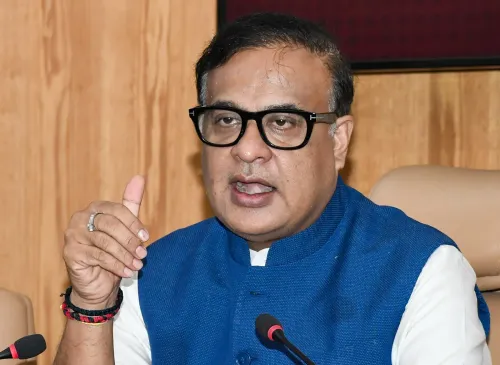
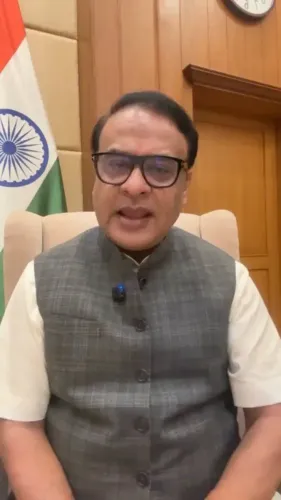
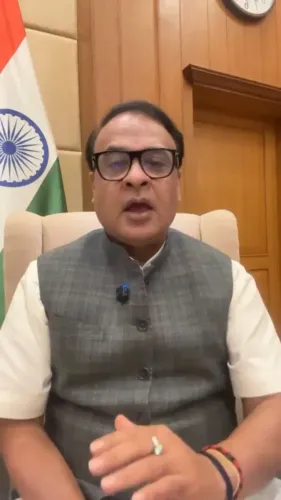
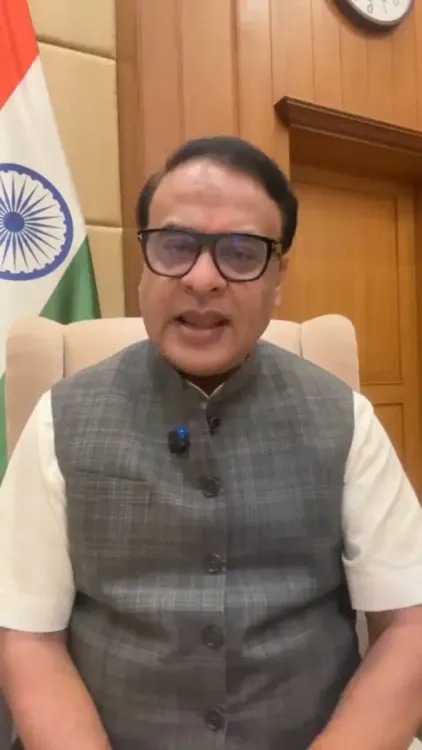
The Chief Minister's Office of Assam announced on Saturday, 20 June 2026 that the European Union has withdrawn its travel advisory for Assam, a development Chief Minister Dr. Himanta Biswa Sarma described during a Facebook Live session as a landmark step for the state's global tourism ambitions.
Context
Speaking directly to citizens via the live broadcast, CM Himanta Biswa Sarma called the EU's decision 'another major breakthrough for Assam,' placing it alongside earlier advisory withdrawals by Australia and Japan. He characterised the move as the removal of 'a long-standing barrier to Assam's tourism growth,' signalling that the state's improving reputation for peace and stability is gaining recognition beyond the subcontinent.
Travel advisories issued by governments and blocs such as the EU directly influence the decisions of their citizens when choosing international destinations. A standing advisory warning against travel to a region can suppress tourist arrivals for years, making its withdrawal a meaningful signal for hospitality and tour operators.
Policy Backdrop
The turnaround in Assam's security profile is rooted in a series of peace processes and security operations spanning more than a decade. The 2020 Bodoland Territorial Region Accord was among the most significant milestones, substantially reducing insurgent activity in parts of the state and enabling a gradual re-evaluation by foreign governments of the risks they had previously flagged.
The Act East Policy, launched by the central government in 2014, added an economic dimension to these gains by prioritising connectivity and tourism infrastructure across Assam and the broader Northeast. The combined effect of reduced conflict and improved infrastructure has made the state a progressively more viable destination for international visitors.
CM Sarma, who has led the state since May 2021, has consistently highlighted law-and-order improvements as a foundation for economic diversification, with tourism occupying a central place in that strategy. The EU decision, following similar moves by Australia and Japan, suggests that this narrative is gaining traction with foreign governments.
Stakeholders and Impact
The immediate beneficiaries of the advisory withdrawal are Assam's tourism operators, hospitality businesses, and the communities that depend on visitor spending around the state's tea gardens, wildlife sanctuaries, and cultural heritage sites. European tourists, who tend to travel in higher-spending segments, represent a market that had been effectively constrained by the advisory.
For the broader Northeast, the development carries symbolic weight: it reinforces the argument that the region's conflict-era image is giving way to one of stability and opportunity. Local entrepreneurs and state tourism bodies are likely to use the EU withdrawal as a marketing asset in outreach to European travel agencies and tour operators.
What's Next
Attention will now turn to whether the state government follows the advisory withdrawal with targeted marketing campaigns in Europe and concrete investments in tourism infrastructure — including hotels, connectivity, and visitor experience at key sites. Official tourist arrival data for 2026-27 will serve as the first measurable indicator of whether the EU decision translates into actual footfall growth.
CM Sarma expressed confidence that Assam's 'growing reputation for peace and stability will further strengthen its position on the global tourism map,' suggesting that the government views the current momentum as the beginning of a longer trajectory rather than a one-off diplomatic milestone.
Point of View
Giving CM Sarma a concrete diplomatic data point to anchor his governance narrative ahead of any future electoral cycle. By framing it alongside the Australia and Japan withdrawals, the Chief Minister's Office is constructing a cumulative story of international validation — one that is difficult for political opponents to contest on purely domestic grounds. The development also strengthens the Northeast's case for greater central budgetary allocation for tourism infrastructure under the Act East Policy framework. If official arrival numbers for 2026-27 reflect a measurable uptick from European markets, the advisory withdrawal will transition from a symbolic win to an economic one.
NationPress
20 Jun 2026
Frequently Asked Questions
Why did the EU withdraw its travel advisory for Assam?
The EU's decision reflects Assam's sustained improvement in peace and security over the past decade, driven by multiple peace accords including the 2020 Bodoland Territorial Region Accord and ongoing security operations that significantly reduced insurgent activity in the state.
Which countries had already withdrawn travel advisories for Assam before the EU?
Both Australia and Japan had withdrawn their travel advisories for Assam prior to the EU's decision, as noted by Chief Minister Himanta Biswa Sarma during his Facebook Live on 20 June 2026.
What does the EU travel advisory withdrawal mean for tourism in Assam?
It removes a long-standing barrier that had discouraged European citizens from visiting Assam. Tourism operators, hotels, and local communities can now market the state more effectively to European travellers without the deterrent of an official government warning.
Who is Himanta Biswa Sarma and why is he significant to Assam's tourism push?
Himanta Biswa Sarma is the Chief Minister of Assam since May 2021. He has made security improvement and economic diversification through tourism central pillars of his administration, frequently highlighting the state's peace credentials to attract domestic and international investment.
What is the Act East Policy and how does it relate to Assam's tourism growth?
The Act East Policy, launched by the central government in 2014, prioritises connectivity and infrastructure development in Assam and the broader Northeast to deepen economic ties with Southeast Asia and beyond. It has supported tourism infrastructure that complements the improved security environment now being recognised by foreign governments.