CM Himanta attends Tiwa Langkhun Festival in West Karbi Anglong
Synopsis
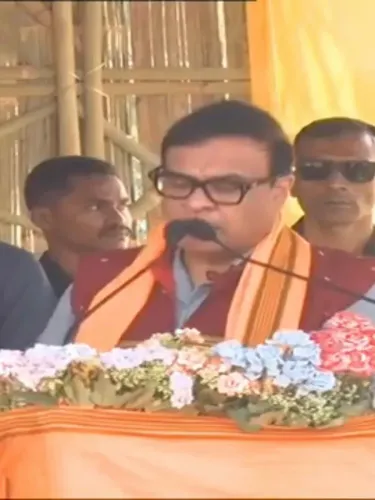
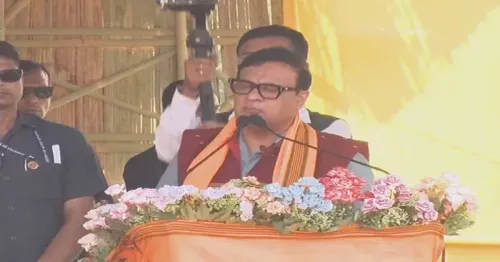
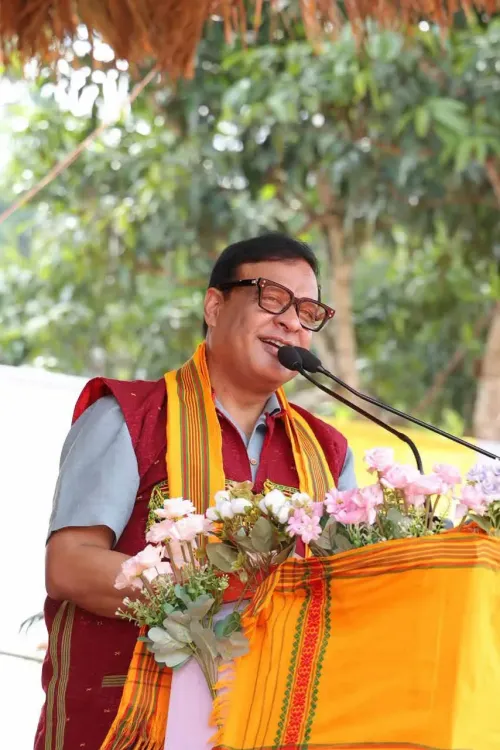
Chief Minister Dr. Himanta Biswa Sarma attended the Langkhun Festival of the Tiwa community at Ulukunchi in West Karbi Anglong on 31 October 2026, participating in one of Assam's living indigenous traditions centred on prayers for community well-being, harmony with nature, and the removal of misfortune.
Key Takeaways
CM Himanta Biswa Sarma attended the Langkhun Festival of the Tiwa community at Ulukunchi, West Karbi Anglong on 31 October 2026 .
The Langkhun Puja is an annual Tiwa observance centred on prayers for community well-being, removal of misfortune, and harmony with nature.
The Tiwa (also known as Lalung) are an indigenous tribal group concentrated in central and lower Assam.
West Karbi Anglong was created as a separate district in 2016 and is home to multiple indigenous communities.
Sarma has served as Chief Minister of Assam since May 2021 and regularly attends tribal and indigenous community events across the state.
The state government framed the festival as part of Assam's 'shared cultural heritage,' raising expectations of follow-up policy support for tribal traditions.
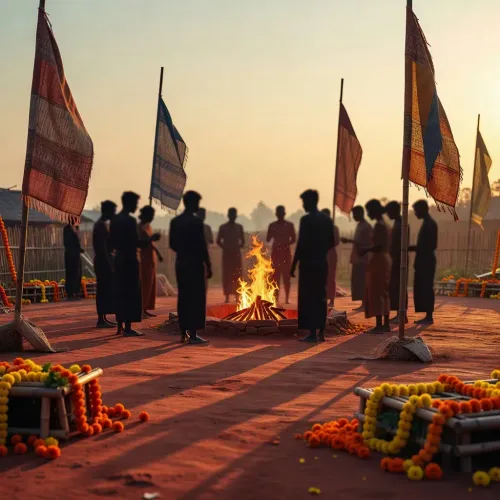
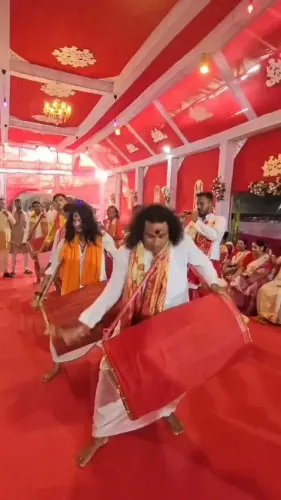
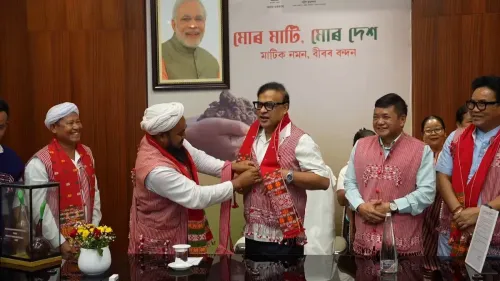
Deep in the hills of West Karbi Anglong, at the village of Ulukunchi, the Tiwa community's ancient Langkhun Festival came alive on Saturday, 31 October 2026 — and this year, Assam Chief Minister Dr. Himanta Biswa Sarma was there to witness it firsthand, joining prayers that have anchored this indigenous community for generations.
What the Langkhun Puja actually is
The Langkhun Festival is far more than a ritual calendar entry for the Tiwa community — also known as the Lalung — one of Assam's indigenous tribal groups concentrated across central and lower Assam. The Langkhun Puja is a living compact between the community and the forces that govern its world: prayers for collective well-being, the removal of misfortune, the warding off of illness and evil, and a reaffirmation of the peace that holds village life together. Folk culture, community history, and a deep reverence for nature all converge in a single observance.
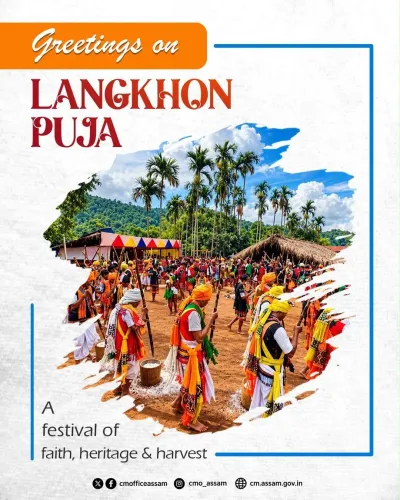
The Chief Minister's Office of Assam described the festival as 'a living expression of the community's history, beliefs, collective life, folk culture and deep connection with nature' — language that signals the state's intent to frame such traditions not as relics but as active, breathing heritage.
Ulukunchi, West Karbi Anglong, and Assam's tribal mosaic
West Karbi Anglong, carved out as a separate district in 2016, sits at the heart of Assam's most ethnically layered terrain. The district is home to multiple indigenous communities, and Tiwa villages like Ulukunchi are woven into its social fabric. Dr. Sarma's presence at the festival fits a pattern that successive Assam administrations have maintained: senior state leadership attending tribal observances to signal that the government sees — and values — the diversity that smaller communities bring to the state's composite identity.
Dr. Sarma, who has served as Chief Minister since May 2021, has made such community engagements a visible part of his public calendar, attending indigenous festivals across the state's ethnically varied districts.
Why the Tiwa tradition matters in Assam's cultural conversation
Assam is home to dozens of indigenous tribes, each carrying distinct languages, rituals, and ecological knowledge. The Langkhun Festival's emphasis on harmony with nature and the collective warding off of adversity resonates beyond the Tiwa community — it speaks to a broader indigenous worldview that environmentalists and cultural preservationists increasingly argue deserves formal documentation and protection. The state's acknowledgment of such festivals as part of a 'shared cultural heritage' raises a natural question: will that recognition translate into concrete support for documentation, language preservation, or festival infrastructure?
That is precisely what observers will be watching for in the months ahead — whether the Chief Minister's attendance at Ulukunchi is followed by policy or programme announcements that give the Tiwa community's traditions institutional backing.
For now, the Langkhun fires burned, the prayers rose, and the state's highest elected office came to the village — not the other way around.
Point of View
Such gestures carry symbolic weight that extends well beyond the ceremonial. The framing of Tiwa heritage as part of Assam's 'shared cultural tapestry' also reflects a broader BJP-era effort to build an inclusive cultural nationalism that accommodates tribal identities without ceding ground on the state's dominant Assamese identity. Whether this engagement deepens into substantive policy — documentation programmes, festival grants, language support — will determine whether it registers as governance or optics.
NationPress
31 Oct 2026
Frequently Asked Questions
What is the Langkhun Festival of the Tiwa community?
The Langkhun Festival, also called Langkhun Puja, is an annual religious and cultural observance of the Tiwa (Lalung) indigenous community of Assam. It centres on prayers for community well-being, the removal of misfortune and illness, the warding off of evil forces, and the reaffirmation of peace and harmony in village life.
Who are the Tiwa people of Assam?
The Tiwa, also known as Lalung, are an indigenous tribal community concentrated in central and lower Assam. They have a distinct language, folk culture, and set of religious traditions, including the annual Langkhun Festival.
Where is Ulukunchi and which district does it belong to?
Ulukunchi is a village in West Karbi Anglong, a district in Assam that was created in 2016. The district is home to multiple indigenous communities, including Tiwa villages.
Why did Assam CM Himanta Biswa Sarma attend the Langkhun Festival?
CM Himanta Biswa Sarma attended the Langkhun Festival at Ulukunchi on 31 October 2026 as part of his government's ongoing engagement with Assam's indigenous tribal communities. Successive Assam administrations have participated in tribal festivals to signal recognition of the state's ethnic diversity.
What is the significance of West Karbi Anglong district in Assam?
West Karbi Anglong is a district in Assam carved out in 2016. It is situated in the hill and forest belt of the state and is home to several indigenous communities, making it a culturally significant region in Assam's tribal landscape.