CM Himanta Adds Tiwa's Langkhun Festival to Assam's Official Calendar
Synopsis
Assam CM Himanta Biswa Sarma announced on 31 October 2026 that the Langkhun Festival of the Tiwa community will be formally added to the state government's official calendar from the following year, extending a pattern of institutional cultural recognition for indigenous communities across Assam.
Key Takeaways
CM Himanta Biswa Sarma announced on 31 October 2026 that the Langkhun Festival of the Tiwa community will enter the Assam Government's official calendar from 2027 onwards .
The Langkhun Festival is a traditional annual celebration of the Tiwa community , observed across parts of Assam.
Official calendar status opens the door to state support, public visibility, and structured preservation of the festival's traditions.
Assam has previously extended similar recognition to festivals of the Bodo and Karbi communities, among others.
The next milestone will be the release of the updated official calendar and any accompanying administrative or budgetary orders.
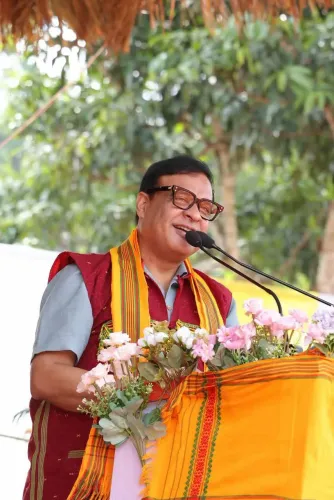
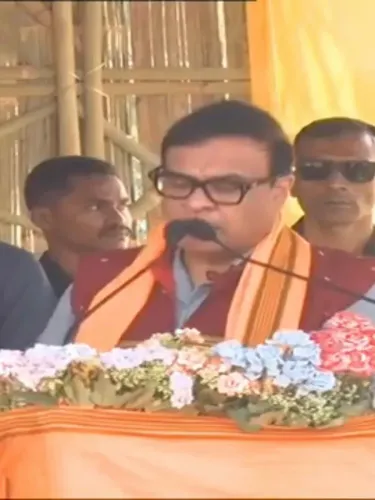
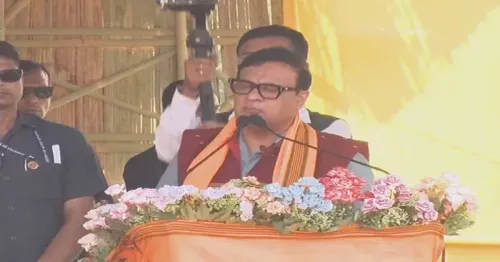
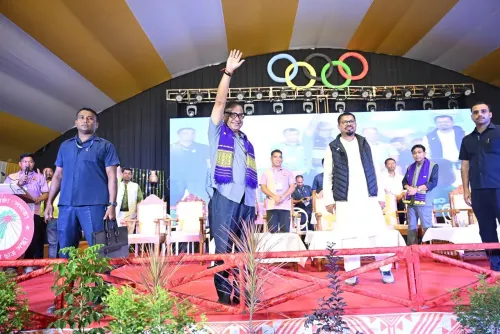
A cultural milestone arrived quietly on Saturday, 31 October 2026, when Assam Chief Minister Dr. Himanta Biswa Sarma announced that the Langkhun Festival — a cherished annual celebration of the Tiwa community — will be formally included in the Assam Government's official festival calendar starting next year.
Speaking to the media, CM Sarma said, 'From next year onwards, the Langkhun Festival of our Tiwa brothers and sisters will be included in the Assam Government's official calendar.' The phrasing — 'our Tiwa brothers and sisters' — signals more than administrative housekeeping. It is a deliberate act of cultural embrace.
What the Langkhun Festival means to the Tiwa people
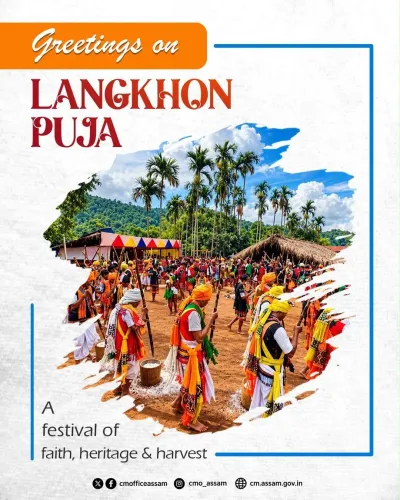
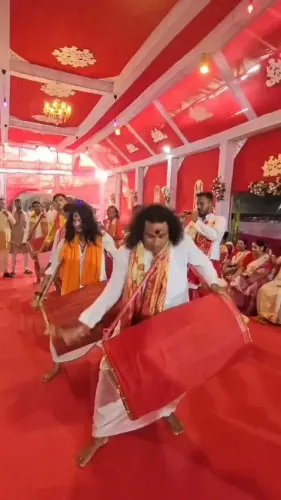
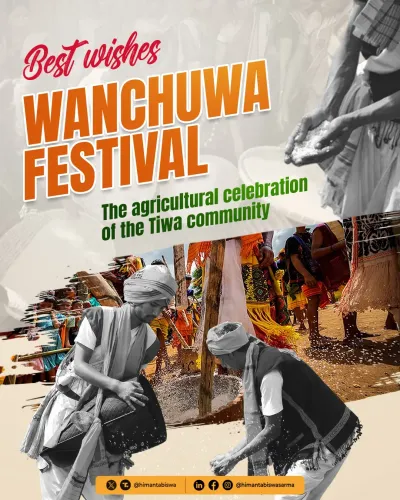
The Langkhun Festival is a traditional annual celebration observed by the Tiwa community across parts of Assam. Like many indigenous festivals of the Brahmaputra valley and hill districts, it carries the weight of agrarian ritual, community memory, and ethnic identity — threads that can fray without institutional recognition. Official calendar status is not merely symbolic; it creates a framework for state support, public visibility, and intergenerational transmission.
A pattern of recognition across Assam's diverse communities
This move follows a trajectory that successive Assam governments have pursued — integrating select tribal and indigenous festivals into the state's official calendar. Earlier beneficiaries have included events connected to the Bodo and Karbi communities, among others. Each inclusion represents a formal acknowledgement that Assam's cultural fabric is irreducibly plural.
Dr. Sarma, who has served as Chief Minister since May 2021, has frequently positioned cultural recognition of smaller communities as a governance priority. Adding the Langkhun Festival continues that thread — and extends it to the Tiwa community specifically.
What comes next for the Tiwa community
The concrete next step is an updated official festival calendar and the administrative orders that accompany it. Any associated budgetary provisions or government participation in future Langkhun celebrations will indicate how deep the recognition runs beyond the headline. The Tiwa community now waits to see the announcement translated into the machinery of state.
For a state as ethnically layered as Assam, every community that earns a line in the official calendar is one less community that has to fight for its visibility. That, in the end, is what this is about.
Point of View
High-signal governance move — one that costs little in rupees but generates substantial goodwill among a community that has historically sat at the margins of mainstream state recognition. For CM Sarma, it reinforces a political brand built around cultural pluralism within a broadly BJP-aligned framework. More broadly, it reflects a wider pattern across India's northeast where state governments use calendar recognition as a soft instrument of ethnic accommodation, reducing friction without altering resource allocation in any fundamental way. The test, as always, will be in implementation: whether Langkhun receives budgetary backing and official participation, or remains a name on paper.
NationPress
31 Oct 2026
Frequently Asked Questions
What is the Langkhun Festival?
The Langkhun Festival is a traditional annual celebration of the Tiwa community, an indigenous group living in parts of Assam. It carries agrarian, ritual, and cultural significance for the community.
When will Langkhun Festival be included in Assam's official calendar?
CM Himanta Biswa Sarma announced on 31 October 2026 that the inclusion will take effect from the following year, meaning from 2027 onwards.
Who are the Tiwa people of Assam?
The Tiwa, also known as Lalung, are an indigenous community residing in the plains and hill districts of Assam. They have a distinct language, culture, and set of traditional practices, including the Langkhun Festival.
What does it mean for a festival to be on Assam's official government calendar?
An official calendar listing provides state-level recognition, can unlock government participation and budgetary support, increases public visibility, and helps preserve the cultural tradition across generations.
Has Assam included other tribal festivals in its official calendar before?
Yes. Successive Assam governments have added festivals of various indigenous communities, including events associated with the Bodo and Karbi communities, to the official state calendar as part of efforts to acknowledge ethnic cultural diversity.