CM Himanta to Deliver Ration at Doorsteps of Elderly, Divyangjans
Synopsis
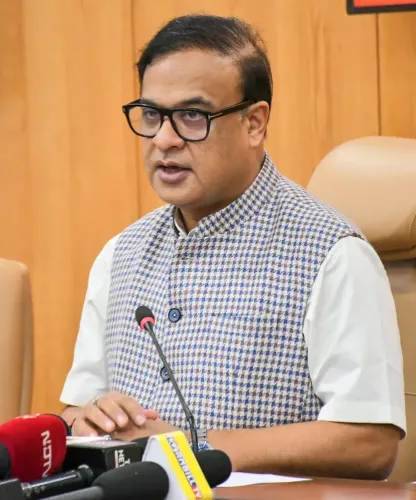
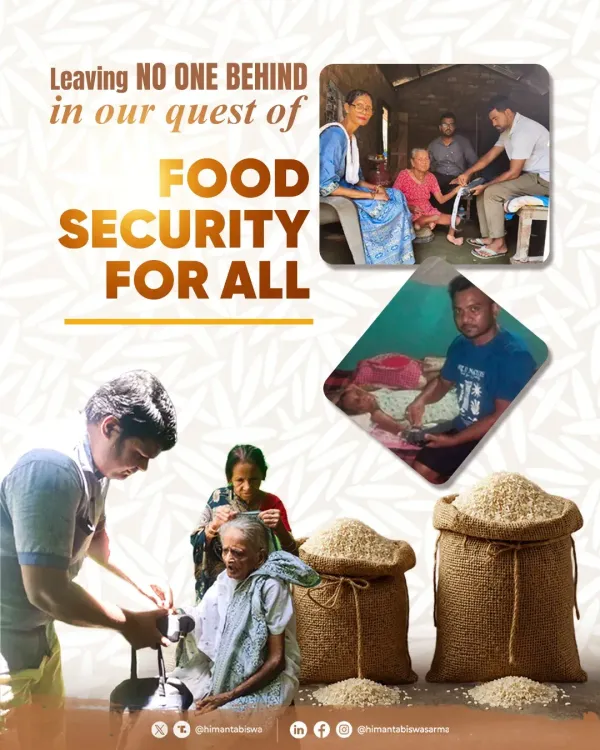
Assam Chief Minister Himanta Biswa Sarma announced on 9 July 2026 that the state will deliver rations directly to the homes of elderly citizens and Divyangjans under the Anna Sewa initiative, extending last-mile access within Assam's Public Distribution System for those unable to visit fair-price shops.
Key Takeaways
CM Himanta Biswa Sarma announced on 9 July 2026 that Assam will take Anna Sewa doorstep ration delivery to elderly citizens and Divyangjans.
The initiative targets beneficiaries under the National Food Security Act, 2013 who cannot physically access fair-price shops.
Kaushik Rai , the minister linked to Assam's food and civil supplies portfolio, was tagged in the announcement, indicating departmental ownership.
Similar doorstep ration models were piloted across several states during COVID-19 lockdowns in 2020-21 ; Assam now seeks to institutionalise the approach.
The move aligns with the Sarma administration's broader Jan Sewa governance philosophy of proactive state outreach to vulnerable citizens.
A formal government order or district-level pilot notification from the Food, Civil Supplies and Consumer Affairs department is awaited.
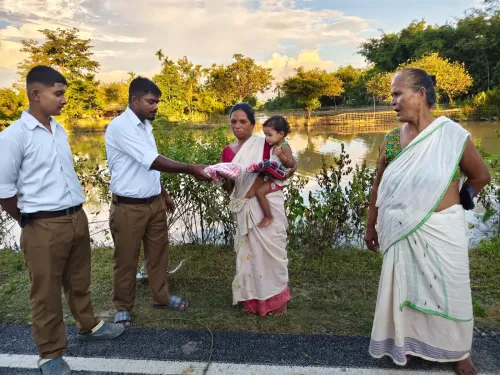
Assam Chief Minister Himanta Biswa Sarma announced on Thursday, 9 July 2026, that the state government will extend doorstep ration delivery — branded Anna Sewa — to elderly citizens and Divyangjans who are unable to physically collect their subsidised foodgrain from fair-price shops.
Context
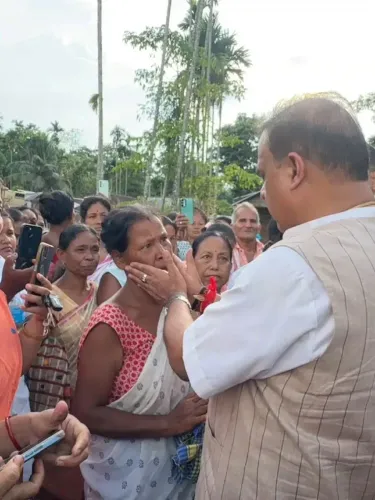
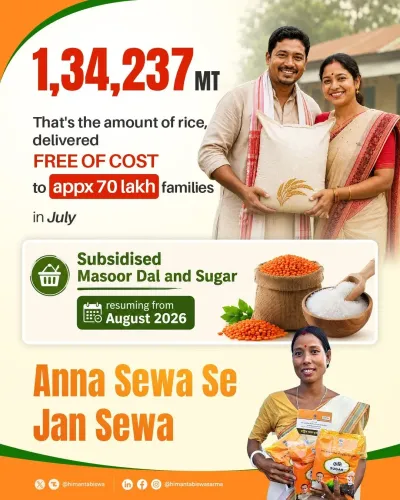
Posting on X and tagging Kaushik Rai, the Assam minister associated with the food and civil supplies portfolio, CM Sarma wrote: 'For elderly citizens and Divyangjans who are unable to collect their ration, we will take Anna Sewa to their doorsteps. Serving every deserving family is the essence of Jan Sewa and we remain resolute in fulfilling this commitment.' The announcement signals a formal policy direction to extend last-mile delivery within Assam's Public Distribution System network.
The term Divyangjan — the official Indian policy designation for persons with disabilities — has been embedded in government welfare programmes since the mid-2010s, reflecting a national shift toward inclusive language and targeted outreach. The tagging of Kaushik Rai suggests the Food, Civil Supplies and Consumer Affairs department will be the implementing arm.
Policy Backdrop
India's National Food Security Act, 2013, mandates subsidised wheat and rice for up to 75 per cent of the rural population and 50 per cent of the urban population, delivered through a network of fair-price shops. While the central framework governs entitlements, states bear responsibility for last-mile delivery logistics.
During the COVID-19 lockdowns of 2020-21, several states — including Assam — introduced temporary doorstep ration schemes for the elderly and disabled to prevent disruption of food access. The Sarma administration, in office since May 2021, has since sought to institutionalise such outreach through mobile ration camps and expanded welfare delivery drives rather than relying solely on beneficiaries to travel to distribution points.
Similar doorstep ration models have been piloted in other BJP-governed states, positioning the initiative within a broader national pattern of targeted, tech-tracked welfare delivery aimed at reducing exclusion errors in the Public Distribution System.
Stakeholders and Impact
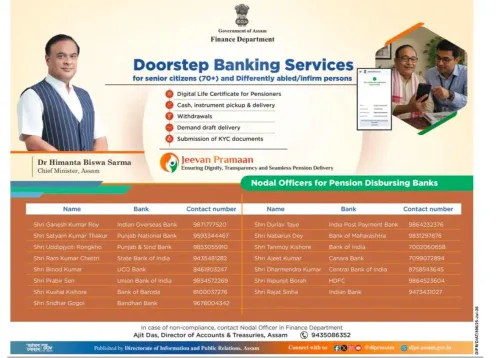
Assam's elderly population and persons with disabilities stand to be the direct beneficiaries of the Anna Sewa doorstep initiative. For this demographic, the inability to travel to a fair-price shop — due to mobility constraints, lack of caregivers, or remote location — has historically resulted in de facto exclusion despite legal entitlement under the National Food Security Act.
The move also carries administrative implications for the state's food and civil supplies machinery. Operationalising doorstep delivery at scale will require logistics coordination, beneficiary identification, and verification mechanisms to prevent leakage — challenges that the department under Kaushik Rai will need to address through a formal government order or district-level pilot framework.
What's Next
Observers will watch for a formal notification from Assam's Food, Civil Supplies and Consumer Affairs department detailing the rollout districts, delivery frequency, and beneficiary identification criteria for Anna Sewa. The initiative could feature in the next Assam budget speech or in coordination meetings of the North-East Democratic Alliance (NEDA), which CM Sarma convenes, as a model for replication across the region.
The announcement reinforces the Sarma government's stated Jan Sewa governance philosophy — the idea that state machinery must actively reach citizens rather than wait for citizens to navigate bureaucratic access points. Whether the programme is formalised through legislation or an executive order will determine its longevity and coverage.
Point of View
Signalling that the Sarma administration is converting emergency measures into permanent welfare architecture. By publicly tagging the responsible minister, CM Sarma creates visible accountability — a governance style that doubles as political communication. The initiative fits squarely within the post-2014 BJP playbook of last-mile, beneficiary-centric delivery that bypasses older, leakage-prone intermediary systems. Whether it achieves scale will hinge on the administrative groundwork: beneficiary identification, logistics funding, and anti-diversion safeguards that the formal order must address.
NationPress
7 Oct 2026
Frequently Asked Questions
What is Anna Sewa in Assam?
Anna Sewa is an Assam government initiative announced by Chief Minister Himanta Biswa Sarma to deliver subsidised rations directly to the homes of elderly citizens and Divyangjans who cannot travel to fair-price shops under the Public Distribution System.
Who are Divyangjans and why are they included in this scheme?
Divyangjan is the official Indian government term for persons with disabilities. They are included in the Anna Sewa doorstep delivery scheme because mobility constraints often prevent them from physically collecting their entitled ration from fair-price shops.
Which law governs ration entitlements in Assam?
The National Food Security Act, 2013, governs subsidised foodgrain entitlements across India, including Assam, covering up to 75 per cent of the rural population and 50 per cent of the urban population.
Has Assam done doorstep ration delivery before?
Yes. Assam, like several other states, introduced temporary doorstep ration delivery during the COVID-19 lockdowns of 2020-21. The Anna Sewa initiative seeks to make such delivery a permanent feature for eligible vulnerable groups.
Who is the minister responsible for implementing Anna Sewa in Assam?
Kaushik Rai, the Assam minister associated with the food and civil supplies portfolio, was tagged by CM Sarma in the announcement, indicating that his department will be the implementing authority for Anna Sewa.