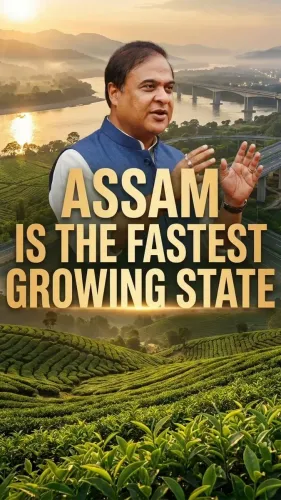
CM Himanta Links Assam Potato Farms to Lay's Shelves
Synopsis
Assam CM Himanta Biswa Sarma used the potato-to-Lay's journey as a vivid metaphor for the state's agro-processing ambitions on 29 September 2026, spotlighting efforts to link local farmers with national FMCG supply chains and retain economic value within the Northeast.
Key Takeaways
Assam CM Himanta Biswa Sarma publicly linked Assam's potato cultivation to Lay's (PepsiCo) as a symbol of agro-processing opportunity on 29 September 2026 .
The post frames the farmer-to-shelf supply chain as the state's model for rural income growth and value addition.
Assam has pursued policies connecting local agriculture to industrial and FMCG buyers as part of a broader Northeast economic strategy.
Potato farmers and food processing units are the primary stakeholders who stand to benefit from formalised supply-chain arrangements with national brands.
The North-East Democratic Alliance (NEDA) , convened by Sarma, has promoted similar value-chain initiatives across neighbouring northeastern states.
Expansion of contract farming and new processing facilities tied to major FMCG firms in Assam remains the key development to watch.
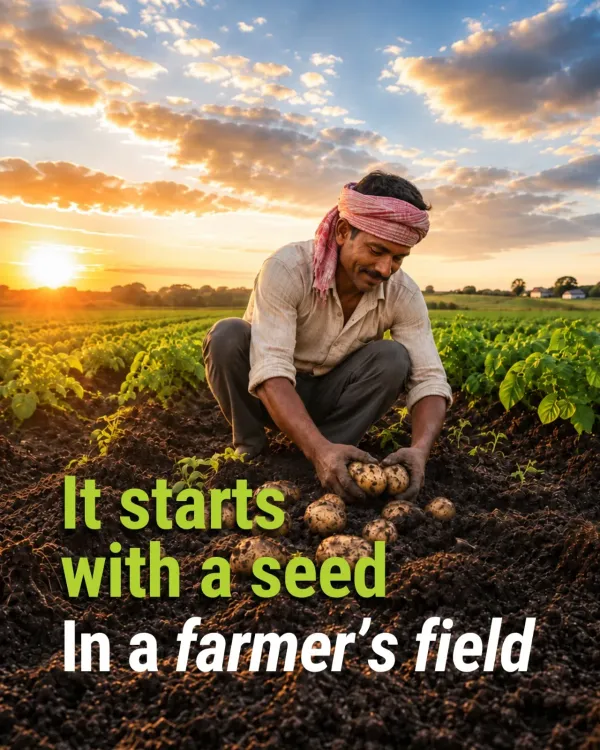
A potato pulled from Assam's soil, processed, packaged, and placed on a supermarket shelf as a packet of Lay's — Assam Chief Minister Himanta Biswa Sarma distilled that entire journey into a single sentence on Tuesday, 29 September 2026, framing it as the clearest definition of economic opportunity the state has to offer.
From the field to the FMCG aisle
Sarma's post — 'From a potato growing in our fields to a packet of Lay's on your shelf. That's what opportunity looks like - Made in Assam, reaching beyond Assam' — is a deliberate piece of economic storytelling. It anchors an abstract policy goal — agro-processing, value addition, rural income — in the most tangible image possible: a snack most Indians have held in their hands.
Lay's, the potato chip brand owned by PepsiCo, operates one of India's largest agricultural sourcing networks, working with contract farmers across multiple states. Assam, a significant potato-growing state in the Northeast, has been pushing to position itself inside exactly these kinds of national supply chains rather than remaining a raw-commodity exporter.
Assam's agro-processing push and the value-chain gap
The Northeast has historically exported agricultural produce with little processing done locally, meaning the economic value — jobs, margins, brand equity — has been captured elsewhere. Sarma's government has made closing that gap a stated priority, pursuing policies that link local farmers directly to industrial buyers and large FMCG firms.
Similar value-chain promotion efforts have appeared across other northeastern states under the North-East Democratic Alliance (NEDA) framework, which Sarma convenes. The logic is straightforward: every rupee of processing that happens inside Assam is a rupee that stays in Assam — in a worker's wage, a farmer's contract price, a logistics firm's revenue.
What potato farmers and food processors stand to gain
For potato farmers in Assam, a verified supply-chain link to a national brand like Lay's would mean price predictability through contract farming arrangements — a significant upgrade from the volatility of open-market sales. For food processing units, it signals the kind of anchor buyer that can justify capital investment in cold storage, grading lines, and packaging infrastructure.
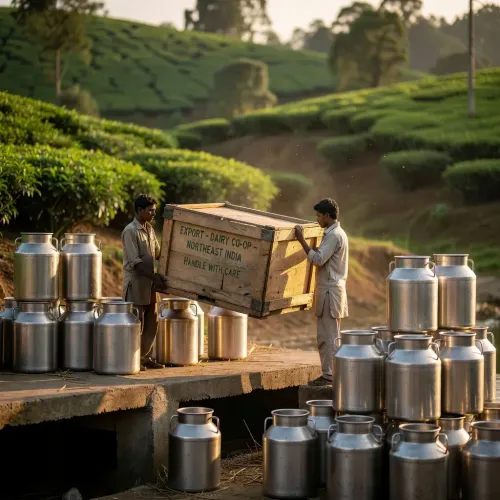
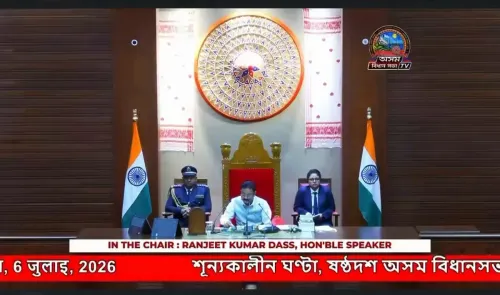
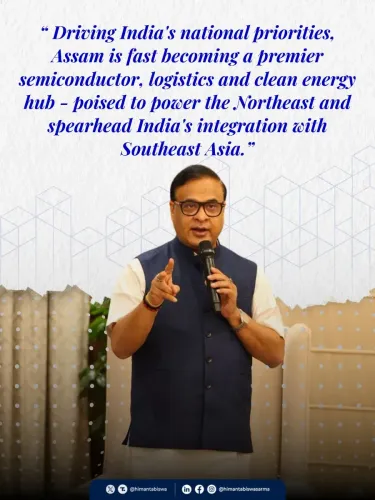
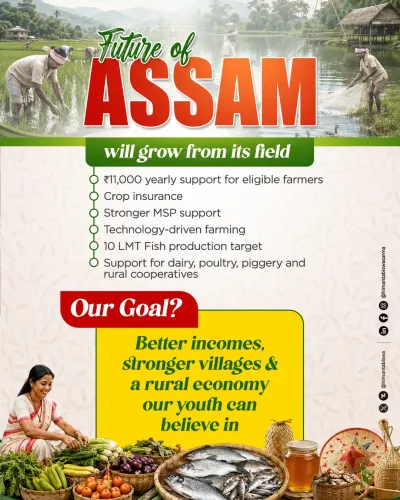
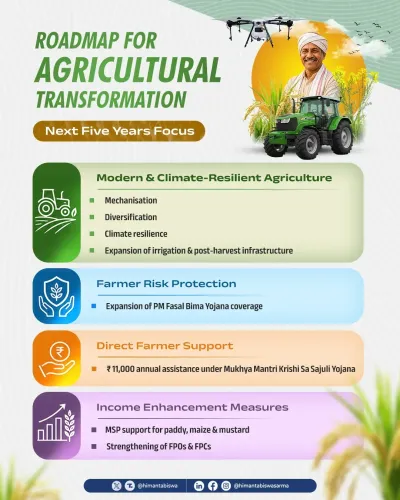
The Chief Minister's post, accompanied by four images, appears designed to make that aspiration visible and shareable — turning an agricultural policy pitch into a consumer-facing narrative. The watch item now is whether this public framing accelerates formal announcements around contract farming expansion or new processing facilities tied to major FMCG partners in the state.
If Assam's fields can reliably supply a global snack brand, the 'Made in Assam' label stops being a regional badge and starts being a supply-chain credential.
Point of View
Potentially attracting FMCG investment across multiple states simultaneously. Whether the Lay's reference reflects an existing formal arrangement or a desired future one will determine whether the messaging translates into measurable rural income gains.
NationPress
29 Sept 2026
Frequently Asked Questions
What did Assam CM Himanta Biswa Sarma say about Lay's and Assam potatoes?
On 29 September 2026, CM Sarma posted that the journey 'from a potato growing in our fields to a packet of Lay's on your shelf' represents what economic opportunity looks like — framing it as 'Made in Assam, reaching beyond Assam.'
Does Lay's source potatoes from Assam?
There is no independently verified public record of a specific Lay's-PepsiCo supply chain originating from Assam fields; CM Sarma's post presents this as the state's agro-processing aspiration and direction of policy.
What is Assam's agro-processing policy for potato farmers?
Assam has pursued policies to link local potato farmers with industrial buyers and national FMCG brands, aiming to increase rural incomes through value addition and contract farming rather than raw-commodity exports.
What is NEDA and how does it relate to Assam's economy?
The North-East Democratic Alliance (NEDA) is a political alliance of northeastern parties convened by CM Sarma; it has also served as a coordination platform for similar agricultural value-chain and investment promotion efforts across the northeastern states.
What should we watch for next in Assam's food processing sector?
The key developments to track are formal announcements on contract farming agreements and new food processing units in Assam tied to major FMCG companies, which would convert the current policy push into verifiable on-ground investment.