CM Himanta links Maha Ashtami to Swanirbhar Nari weaver scheme
Synopsis
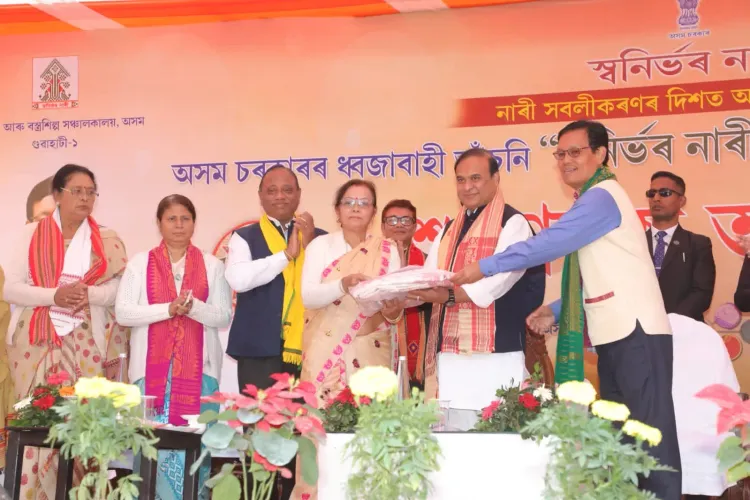
On Maha Ashtami 2026, Assam CM Himanta Biswa Sarma highlighted Swanirbhar Nari, a state scheme that procures gamosas directly from indigenous women weavers with no middlemen, reporting over 4.8 lakh registrations in its first phase alone.
Key Takeaways
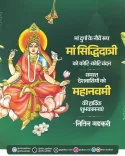
Maha Ashtami occasion: CM Sarma's post on 19 October 2026 linked the worship of Maa Mahagauri — goddess of purity dressed in white — to Assam's handloom tradition.
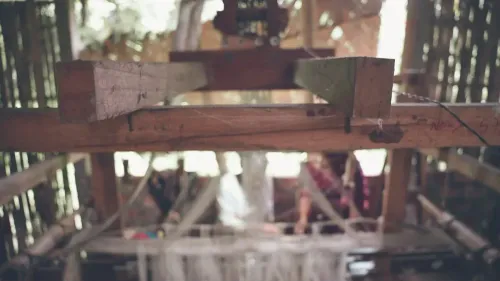
Swanirbhar Nari scheme: The Assam government procures gamosas and traditional handwoven items directly from indigenous women weavers, bypassing middlemen.
Direct bank transfers: Payments are deposited straight into weavers' bank accounts, mirroring a direct-benefit-transfer model.
Scale claimed: CM Sarma stated that over 4.8 lakh weavers registered in the scheme's first phase.
Gandhi lineage: The post invoked Mahatma Gandhi's admiration of Assamese weaving tradition to anchor the policy in India's handloom self-reliance heritage.
Dual mandate: The scheme is framed as protecting both weaver livelihoods and the cultural heritage embedded in every handwoven piece.
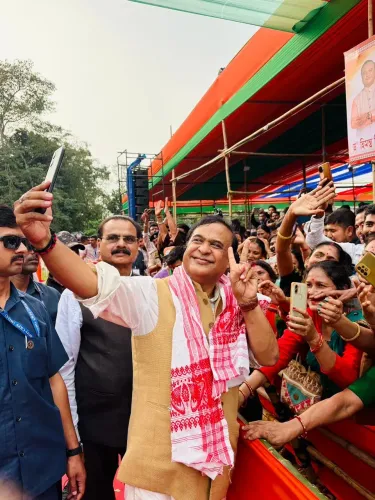
On Maha Ashtami, Monday, 19 October 2026, Assam Chief Minister Himanta Biswa Sarma wove together devotion and economic policy in a single post — invoking the purity of Maa Mahagauri to spotlight the women at Assam's handlooms and the state scheme designed to put fair wages directly into their hands.
The goddess in white and the gamosa in every home
The post opens with the Sanskrit salutation 'ॐ देवी महागौर्यै नमः' ('Om, salutations to Devi Mahagauri') before drawing a deliberate parallel: just as Maa Mahagauri is worshipped in new white cloth on the eighth day of Navratri, the cloth itself — woven on Assam's looms — is an act of devotion. CM Sarma cited Mahatma Gandhi's famous admiration of the tradition, that every Assamese woman is a born weaver, grounding a contemporary welfare scheme in a lineage that stretches back to Gandhi's own advocacy of handloom self-reliance during the independence movement.
Swanirbhar Nari: no middlemen, payments straight to bank accounts
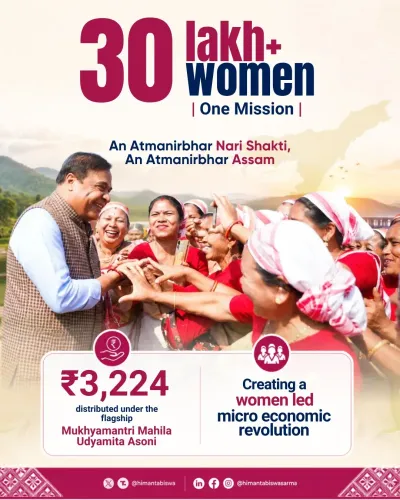
At the centre of the post is Swanirbhar Nari, the Assam government scheme under which the state procures gamosas and other traditional handwoven items directly from indigenous women weavers — bypassing traders entirely and crediting payment into each weaver's bank account. CM Sarma stated that in the first phase alone, over 4.8 lakh weavers registered for the programme. The figure, if borne out in official data, would make it one of the larger direct-benefit artisan programmes in the Northeast.
The scheme's design addresses a structural problem familiar to handloom artisans across India: the gap between the price a weaver receives and the price a buyer pays. By removing the intermediary, Swanirbhar Nari attempts to close that gap at the source — and in doing so, protect both the economic return and the cultural dignity of the craft.
Heritage as livelihood policy
The gamosa — a hand-woven white cotton cloth with red borders, central to Assamese identity and ritual — is not merely a cultural artefact here; it is the product at the heart of a procurement pipeline. CM Sarma framed the scheme as protecting 'two things at once: the livelihood of our weavers and the heritage they carry in every thread.' The phrasing is deliberate: in Assam's political vocabulary, the gamosa carries the weight of identity, and a scheme that monetises it fairly is simultaneously an economic and a civilisational argument.
The post closed with a public resolve — 'let us buy from our weavers and wear what our mothers make' — and a blessing: 'May Maa Mahagauri bless every loom in Assam with prosperity.' The religious occasion gave the economic message its emotional texture; the economic message gave the religious occasion its grounded, actionable weight.
As Navratri 2026 reaches its most sacred night and Assam's temples fill with offerings of new cloth, the question the scheme will eventually answer is whether the weavers at the loom feel that prosperity — not just in policy language, but in the balance of their bank accounts.
Point of View
With its direct-payment architecture, aligns with the BJP's broader DBT (direct benefit transfer) governance philosophy — letting the state sidestep entrenched trader networks while taking visible credit for artisan welfare. Invoking Gandhi's praise of Assamese weavers is also a deft piece of political framing: it makes the scheme feel like the fulfilment of a national promise rather than a purely partisan initiative. The real test will be in the subsequent phases — whether registration numbers translate into sustained, fair-price procurement at scale.
NationPress
19 Oct 2026
Frequently Asked Questions
What is the Swanirbhar Nari scheme in Assam?
Swanirbhar Nari is an Assam government initiative that directly procures gamosas and other traditional handwoven items from indigenous women weavers, with payments deposited straight into their bank accounts and no middlemen involved.
How many weavers have registered under Swanirbhar Nari?
According to Assam CM Himanta Biswa Sarma's post on 19 October 2026, over 4.8 lakh weavers registered in the scheme's first phase alone.
What is a gamosa and why is it significant?
A gamosa is a hand-woven white cotton cloth with red borders that holds deep cultural and ritual significance in Assam. It is central to Assamese identity and is used in religious and ceremonial offerings.
Why did CM Sarma mention Mahatma Gandhi in the context of Assam's weavers?
CM Sarma referenced Gandhi's historical admiration for Assam's weaving tradition — the observation that every Assamese woman is a born weaver — to connect the Swanirbhar Nari scheme to India's long legacy of handloom self-reliance advocacy.
What is Maha Ashtami and when does it fall in 2026?
Maha Ashtami is the eighth day of Navratri, dedicated to the worship of Maa Mahagauri, the goddess of purity and peace. In 2026, it fell on Monday, 19 October.