CM Himanta Reviews Assam's Week of Reforms and Mela Milestones
Synopsis
Assam CM Himanta Biswa Sarma on 29 June 2026 highlighted a productive week for the state: over 8 lakh pilgrims attended the Ambubachi Mela, while new reforms were introduced for small tea growers, competitive exam aspirants, and the healthcare sector.
Key Takeaways
Assam CM Himanta Biswa Sarma described the week of 29 June 2026 as 'very meaningful' for the state.
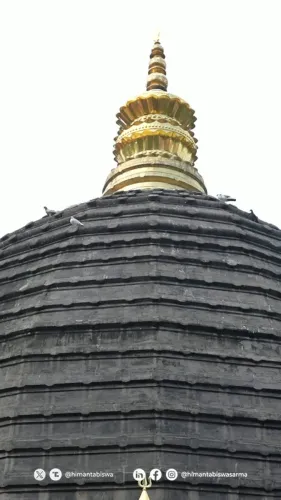
More than 8 lakh devotees participated in the Ambubachi Mela at Kamakhya Temple, Guwahati .
New reforms were announced to empower small tea growers in Assam, India's largest tea-producing state.
Measures were also introduced for competitive examination aspirants in the state.
Steps to strengthen Assam's healthcare sector were part of the week's policy activity.
The developments reflect a multi-sector policy push under the BJP-led Sarma government .
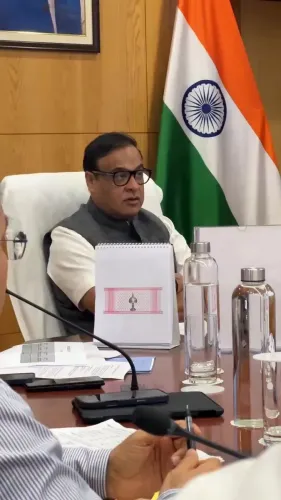
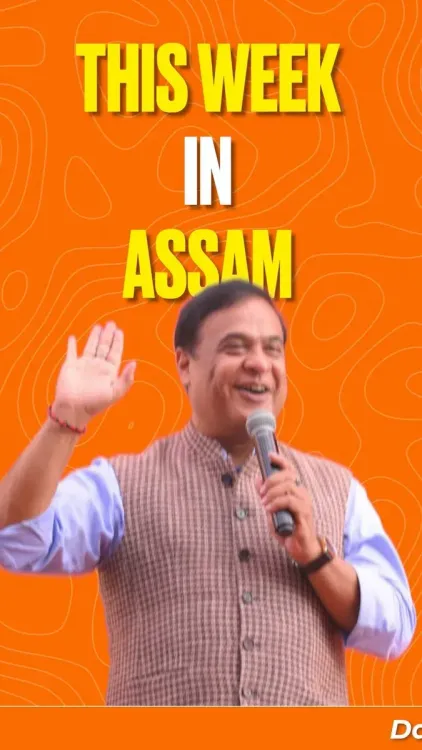
Assam Chief Minister Himanta Biswa Sarma on Monday, 29 June 2026, took stock of a 'very meaningful' week for the state, highlighting three distinct areas of progress: the successful conclusion of the Ambubachi Mela, new reforms for small tea growers, and measures to strengthen the healthcare sector.
Context
In his post, CM Sarma noted that more than 8 lakh devotees participated in the Ambubachi Mela, one of the most significant annual Hindu pilgrimages held at the Kamakhya Temple in Guwahati, Assam. The mela, which marks a period of ritual observance tied to the goddess Kamakhya, draws pilgrims from across India and beyond every year, typically in late June. The Chief Minister described the event's conduct as 'successful', signalling smooth administration of the large-scale religious gathering.
Policy Backdrop
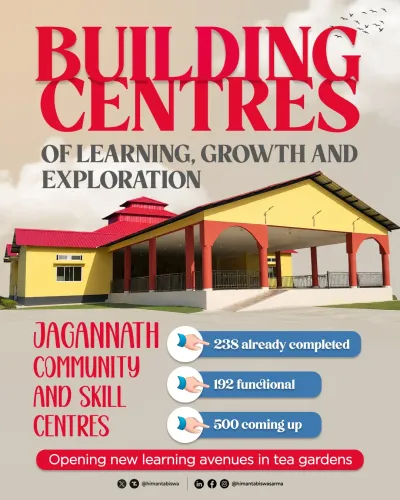
Beyond the religious event, CM Sarma pointed to 'new reforms to empower small tea growers' as a key policy development of the week. Assam is India's largest tea-producing state, and small growers — who cultivate tea on plots typically under 10.12 hectares — have historically faced challenges around fair pricing, access to processing infrastructure, and credit. Reforms targeting this segment align with a broader state agenda to improve livelihoods in the tea belt, which spans districts including Dibrugarh, Jorhat, Tinsukia, and Sonitpur.
The Chief Minister also referenced steps to 'bolster the healthcare sector' and measures for 'aspirants' — a term commonly used in Indian administrative discourse to refer to competitive examination candidates. While specific details of these reforms were not elaborated in the post, both areas have been recurring focus points in the Sarma government's policy agenda since it assumed office in 2021.
Stakeholders and Impact
The Ambubachi Mela draws pilgrims from states including West Bengal, Odisha, Bihar, and Rajasthan, making its smooth conduct a matter of inter-state religious tourism and public order management. The participation of over 8 lakh devotees underscores the scale of logistical coordination required from the state administration. For small tea growers, any structural reform carries implications for hundreds of thousands of farming households whose livelihoods depend directly on the crop. The healthcare and aspirant-focused measures, while broadly referenced, indicate the government's intent to address two constituencies — patients and young job-seekers — simultaneously within a single policy week.
What's Next
The specifics of the tea-grower reforms, the healthcare measures, and the steps for aspirants are expected to be detailed through formal government notifications or legislative action in the coming days. CM Sarma's framing of the week as 'meaningful' suggests these are being positioned as a consolidated policy push ahead of the state's ongoing administrative calendar. As Assam continues to balance developmental priorities with its cultural and religious identity, the convergence of these three areas in a single week could signal a more integrated approach to governance in the state's second consecutive BJP-led term.
Point of View
While light on specifics, sets the stage for formal policy announcements that will test whether the week's 'strides' translate into measurable outcomes.
NationPress
29 Jun 2026
Frequently Asked Questions
How many devotees attended Ambubachi Mela 2026 in Assam?
More than 8 lakh devotees attended the Ambubachi Mela 2026 at Kamakhya Temple in Guwahati, Assam , according to Chief Minister Himanta Biswa Sarma.
What is the Ambubachi Mela?
The Ambubachi Mela is an annual Hindu pilgrimage festival held at the Kamakhya Temple in Guwahati, Assam , marking a period of ritual observance associated with the goddess Kamakhya. It draws pilgrims from across India every year, typically in late June.
What reforms did Assam announce for small tea growers in 2026?
Assam CM Himanta Biswa Sarma announced new reforms to empower small tea growers in the state during the week of 29 June 2026 . Specific details of the reforms are expected to be outlined through formal government notifications.
What did Assam CM Himanta Biswa Sarma say about healthcare reforms?
CM Sarma stated that the state took steps to 'bolster' the healthcare sector during the week ending 29 June 2026 , though detailed specifics were not provided in his public post.
Who are 'aspirants' in the context of Assam government reforms?
In Indian administrative usage, 'aspirants' typically refers to candidates preparing for competitive government examinations. CM Sarma indicated that new measures were introduced for this group as part of Assam's reform activity in the last week of June 2026 .