CM Himanta visits Guwahati Ramakrishna Mission Ashram
Synopsis
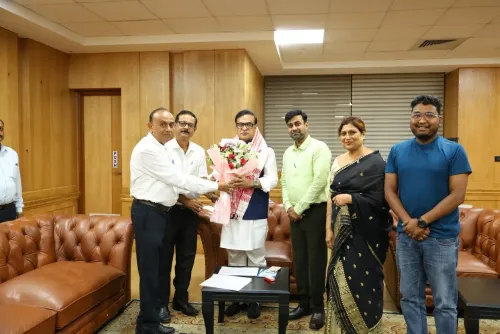
Assam Chief Minister Himanta Biswa Sarma visited the Ramakrishna Mission Ashram in Guwahati on 13 July 2026, meeting senior saints to discuss future programmes and expansion plans focused on tribal education and the spread of Sanatan cultural values across the region.
Key Takeaways
CM Himanta Biswa Sarma visited the Ramakrishna Mission Ashram, Guwahati on 13 July 2026 .
He held discussions with senior saints on upcoming activities and expansion plans of the ashram.
The ashram carries out work in tribal education, social service, and dissemination of Sanatan cultural values, inspired by Swami Vivekananda .
The Ramakrishna Mission , founded in 1897 , has maintained a century-long presence in Assam and the Northeast.
Specific expansion plans discussed at the meeting have not been officially announced; formal MoUs or budgetary commitments are yet to emerge.
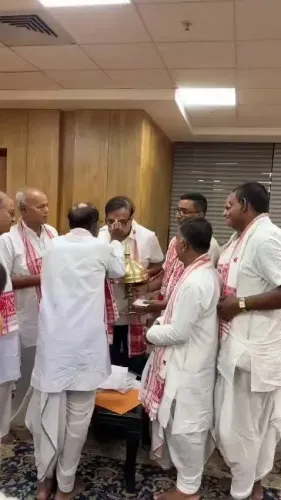
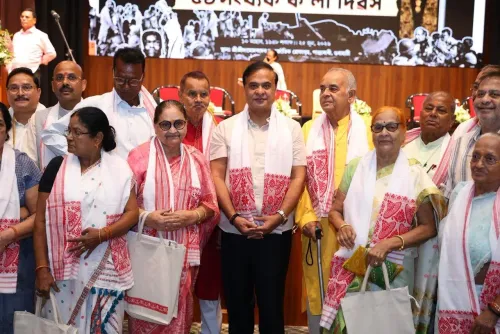
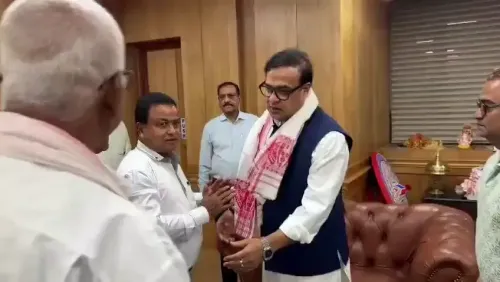
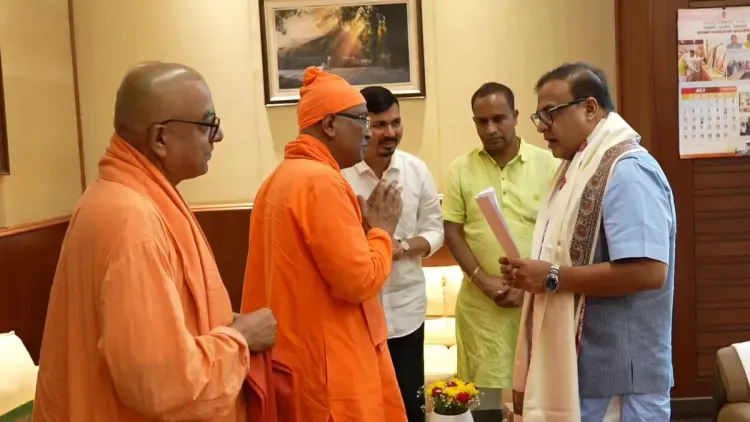
Assam Chief Minister Himanta Biswa Sarma on Monday, 13 July 2026, visited the Ramakrishna Mission Ashram in Guwahati, holding discussions with senior saints of the institution on future programmes and expansion plans aimed at spreading Sanatan cultural values and strengthening tribal education and service in the region.
Posting on X, CM Sarma wrote that the ashram, inspired by Swami Vivekananda, is doing 'praiseworthy work' (sराहनीय कार्य) in carrying Sanatan cultural values to the masses alongside its service to tribal communities through education. He described the discussions as 'meaningful' (सार्थक चर्चा) and centred on upcoming activities and expansion plans of the ashram.
Context
The Ramakrishna Mission Ashram, Guwahati is a branch of the Ramakrishna Mission, founded in 1897 by followers of Swami Vivekananda. The Mission has operated schools, vocational centres, and social service units across Assam and the wider Northeast for over a century, with a particular emphasis on reaching tribal and marginalised communities.
The Guwahati ashram functions as a significant cultural and educational node in the state, combining spiritual outreach rooted in Vivekananda's philosophy with on-ground welfare delivery — a combination that has historically found receptive audiences in Assam's diverse demographic landscape.
Policy Backdrop
State governments across the Northeast have a long tradition of partnering with established spiritual and educational missions to extend schooling and welfare infrastructure into tribal belts where government reach can be limited. The Assam BJP administration under CM Sarma has continued this pattern, engaging organisations that blend cultural outreach with direct service delivery.
Tribal education has been a stated priority for the Assam government in recent years, with efforts to improve enrolment, retention, and quality of learning in districts with significant indigenous populations. Missions such as the Ramakrishna Mission, with their established institutional presence, are seen as credible delivery partners in these geographies.
Stakeholders and Impact
The primary beneficiaries of the ashram's work are tribal students and communities across Assam, who access education and welfare services through Mission-run institutions. Any expansion of the ashram's footprint — whether in terms of new schools, hostels, or vocational programmes — would directly affect these groups.
For the Assam government, engagement with the Ramakrishna Mission also carries cultural and political significance, reinforcing the administration's stated commitment to Sanatan values while simultaneously advancing measurable social outcomes in education and community service.
What's Next
The specific expansion plans and future programmes discussed during the 13 July meeting have not been made public. Observers and stakeholders will watch for any formal memoranda of understanding or budgetary allocations between the Assam government and Ramakrishna Mission centres for school expansion or vocational training initiatives.
Should the discussions translate into concrete policy commitments, they would mark a further deepening of the state-Mission partnership and could set a template for similar engagements across other northeastern states within the North-East Democratic Alliance (NEDA) framework that CM Sarma convenes.
Point of View
Lending both administrative credibility and ideological coherence to its tribal outreach. The engagement signals that the administration views the Mission not merely as a religious body but as a functional partner in education and social service — a framing that broadens the political appeal of such visits beyond the party's core base. Within the NEDA framework, such state-Mission partnerships could also serve as a replicable model for other BJP-governed northeastern states seeking to extend welfare reach into tribal interiors. The absence of announced outcomes, however, means the visit's policy significance hinges on whether concrete commitments follow.
NationPress
13 Jul 2026
Frequently Asked Questions
Why did Assam CM Himanta Biswa Sarma visit the Ramakrishna Mission Ashram in Guwahati?
CM Himanta Biswa Sarma visited the Ramakrishna Mission Ashram in Guwahati on 13 July 2026 to meet senior saints and hold discussions on the ashram's future programmes and expansion plans, particularly in tribal education and the spread of Sanatan cultural values.
What work does the Ramakrishna Mission Ashram in Guwahati do?
The Ramakrishna Mission Ashram in Guwahati, inspired by the teachings of Swami Vivekananda, works to disseminate Sanatan cultural values and provides education and social service to tribal communities in Assam and the wider Northeast.
What is the Ramakrishna Mission and when was it founded?
The Ramakrishna Mission is a spiritual and humanitarian organisation founded in 1897 by followers of Swami Vivekananda. It operates schools, welfare centres, and service units across India, with a significant presence in the northeastern states.
What expansion plans did CM Sarma discuss with the Ramakrishna Mission?
The specific expansion plans and future programmes discussed during the 13 July 2026 meeting have not been officially disclosed. No formal memoranda of understanding or budgetary commitments have been announced as of the visit.
How does the Assam government support tribal education?
The Assam government has engaged established missions like the Ramakrishna Mission as partners in extending education and welfare services to tribal communities, building on a long-standing tradition of state-Mission collaboration in the Northeast.