CM Himanta's Assam Police Seize ₹13 Cr Drugs in Twin Busts
Synopsis
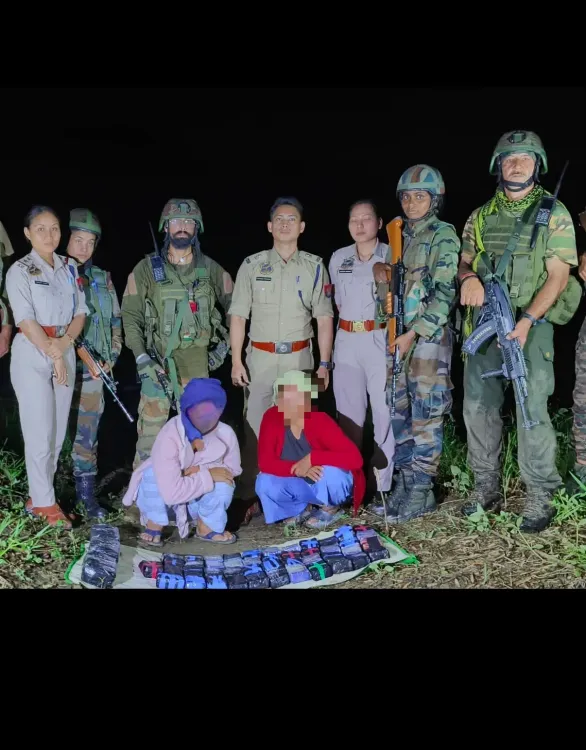
Assam Police's Sribhumi and Cachar units seized 49,800 Yaba tablets and 535g heroin worth nearly ₹13 crore and arrested six accused. CM Himanta Biswa Sarma publicised the haul on 1 July 2026, framing it as proof that drug trafficking has no place in Assam under his administration's zero-tolerance policy.
Key Takeaways
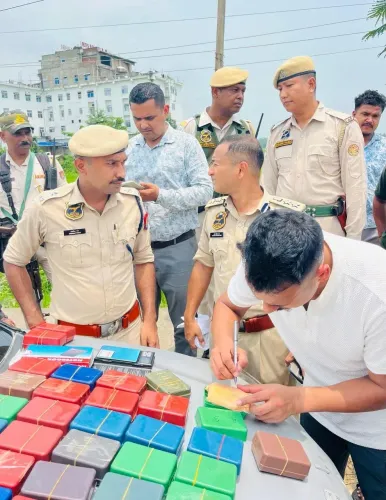
49,800 Yaba tablets and 535 grams of heroin were recovered in a joint operation by Sribhumi Police and Cachar Police .
The total seizure is valued at nearly ₹13 crore .
Six accused were apprehended in connection with the haul.
Cachar district borders Mizoram and lies along established cross-border drug-trafficking routes linked to Myanmar .
The operation falls under the Assam Against Drugs campaign, which pairs enforcement with promotion of state livelihood schemes.
CM Sarma has maintained a publicly stated zero-tolerance narcotics policy since taking office in May 2021 .
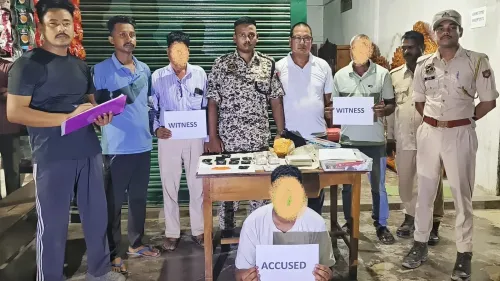
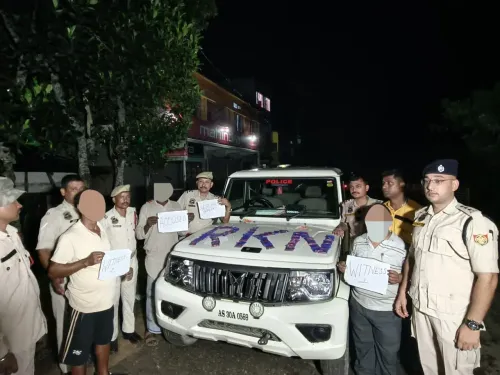
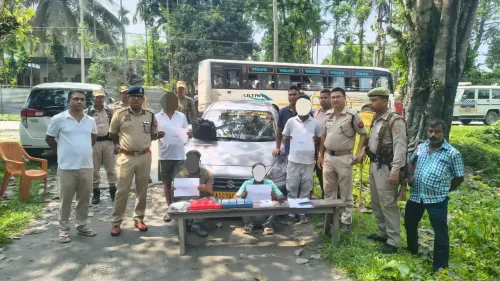
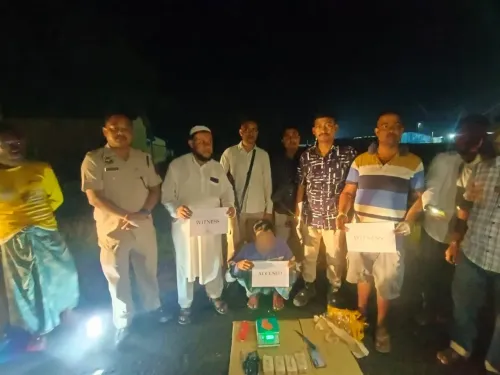
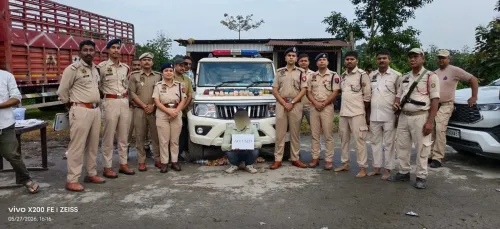
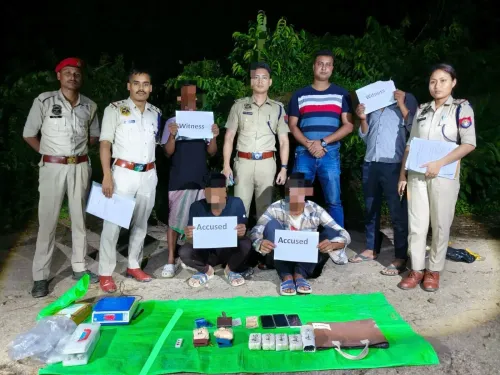
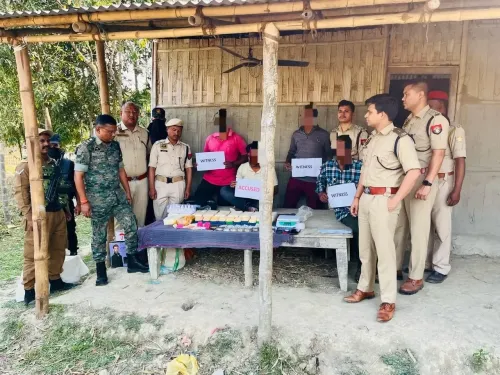
Assam Chief Minister Himanta Biswa Sarma on Wednesday, 1 July 2026, publicly commended a twin anti-narcotics operation by Assam Police in which two district units recovered 49,800 Yaba tablets and 535 grams of heroin collectively valued at nearly ₹13 crore, while apprehending six accused.
What Happened
Sharing details of the joint haul on social media, CM Sarma quoted the traffickers' reported defence — 'This is business' — before countering it with the police response: 'Not in Assam.' The remark framed the operation as both a law-enforcement achievement and a statement of governance intent. Sribhumi Police and Cachar Police conducted the seizures, together netting the contraband and detaining the six individuals.
The Chief Minister closed his post with a pointed message directed at those tempted by illicit trade: 'For business, choose our schemes, not drug peddling,' invoking the state's broader livelihood outreach under the #AssamAgainstDrugs campaign.
Context
Cachar, a southern Assam district bordering Mizoram, sits along well-documented cross-border trafficking corridors that have historically funnelled synthetic drugs — particularly Yaba tablets — from Myanmar into the northeastern hinterland. Sribhumi is a newer administrative district carved from the same region, reflecting the state government's effort to sharpen administrative focus in sensitive border areas.
Since taking office in May 2021, CM Sarma has maintained a publicly stated zero-tolerance posture on narcotics, directing intensified border checks and regularly amplifying seizure data to signal administrative resolve.
Policy Backdrop
The operation sits within the Assam Against Drugs campaign — a statewide enforcement-and-awareness initiative that pairs strict action under the Narcotic Drugs and Psychotropic Substances (NDPS) Act with messaging that steers youth toward government welfare and livelihood schemes. The dual-track approach — punitive on one side, promotional on the other — has become a signature of the Sarma administration's anti-narcotics communication.
Northeastern states broadly have escalated synthetic-drug seizures in recent years as Yaba — a methamphetamine-caffeine compound manufactured largely in Myanmar — has flooded markets across the region. State governments have increasingly paired NDPS enforcement with public messaging that promotes legal economic alternatives to dissuade first-time couriers and small-scale peddlers.
Stakeholders and Impact
The immediate impact falls on the six accused now in custody, who face prosecution under the NDPS Act, which carries stringent bail conditions and mandatory minimum sentences for commercial-quantity offences. For Assam's youth demographic — a primary target of both traffickers and the state's counter-messaging — the operation reinforces the administration's narrative that participation in drug trade carries serious legal consequences.
Residents of Cachar and adjoining border districts stand to benefit most directly from sustained enforcement, as unchecked trafficking has historically been linked to rising addiction rates in those communities. Civil-society groups and rehabilitation bodies working in the region are likely to watch whether the arrests are followed by any fresh skill-development or de-addiction scheme announcements.
What's Next
Coordinated operations in Cachar, Sribhumi, and adjoining border districts are expected to continue as part of the rolling Assam Against Drugs drive. Analysts tracking the state's anti-narcotics policy will watch for any new rehabilitation or skill-scheme announcements that the Sarma government may link to this latest enforcement push — a pattern the administration has followed after high-profile seizures in the past. The government's ability to sustain pressure on trafficking networks while offering credible legal livelihood alternatives will determine the long-term effectiveness of its twin-track strategy.
Point of View
The Chief Minister signals that anti-narcotics policy is simultaneously a law-and-order and an economic-development project. The Cachar-Sribhumi geography is significant — sustained pressure on southern Assam's border corridors suggests the state is trying to disrupt the Myanmar-origin Yaba pipeline at a chokepoint. Whether the twin-track approach — arrests plus scheme promotion — translates into measurable reduction in trafficking or addiction will be the real test of the campaign's depth beyond its communication value.
NationPress
1 Jul 2026
Frequently Asked Questions
How much drugs were seized in the Assam Cachar Sribhumi operation?
Sribhumi Police and Cachar Police together recovered 49,800 Yaba tablets and 535 grams of heroin in the operation publicised on 1 July 2026 , with the total contraband valued at nearly ₹13 crore .
What is the Assam Against Drugs campaign?
Assam Against Drugs is a statewide initiative launched under Chief Minister Himanta Biswa Sarma that combines strict enforcement under the NDPS Act with awareness drives and promotion of government livelihood schemes as legal alternatives to drug peddling.
Where does Yaba come from in Assam?
Yaba tablets — a synthetic drug combining methamphetamine and caffeine — largely enter northeastern India via trafficking routes originating in Myanmar , passing through border districts such as Cachar in southern Assam .
How many people were arrested in the Assam drug bust on 1 July 2026?
Six accused were apprehended by Sribhumi Police and Cachar Police in the operation highlighted by CM Himanta Biswa Sarma on 1 July 2026 .
What is CM Himanta Biswa Sarma's policy on drugs in Assam?
Since taking office in May 2021 , CM Himanta Biswa Sarma has maintained a publicly stated zero-tolerance policy on narcotics, directing intensified border checks and regularly publicising seizure data while steering youth toward state welfare and livelihood schemes.