Goa CM launches 100% fee waiver scheme for girls in ITIs
Synopsis
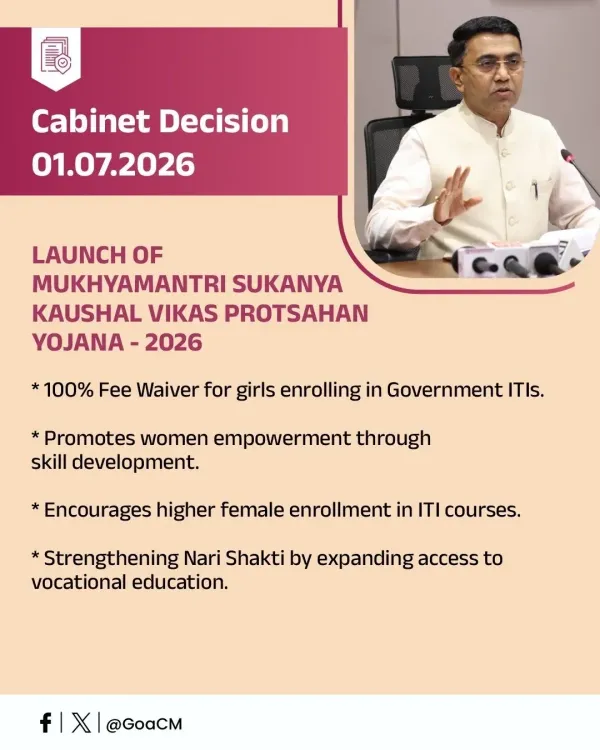
The Goa government launched the Mukhyamantri Sukanya Kaushal Vikas Protsahan Yojana – 2026 on 1 July, granting girl students a full 100% fee waiver at all Government ITIs in the state to boost female enrolment in technical and vocational education.
Key Takeaways
The Goa government launched the Mukhyamantri Sukanya Kaushal Vikas Protsahan Yojana – 2026 on 1 July 2026 .
The scheme provides a 100% fee waiver for girls enrolling in Government ITIs across Goa.
The initiative is framed as a women's empowerment measure targeting barriers to technical and vocational education.
The scheme aligns with national frameworks including the Skill India Mission and Beti Bachao Beti Padhao .
The Goa Directorate of Skill Development is the expected nodal body for implementation and enrolment tracking.
Enrolment data and budgetary provisions in the 2026–27 assembly session will be key markers of the scheme's effectiveness.
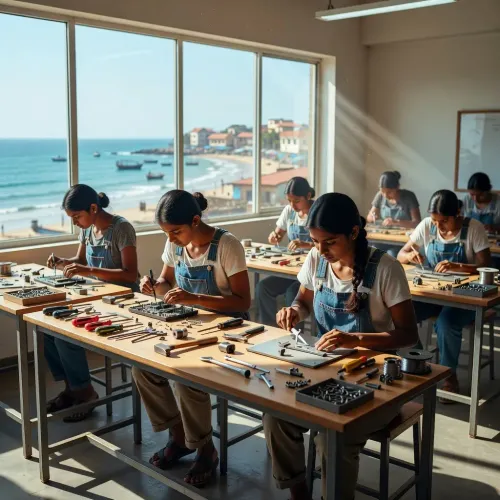
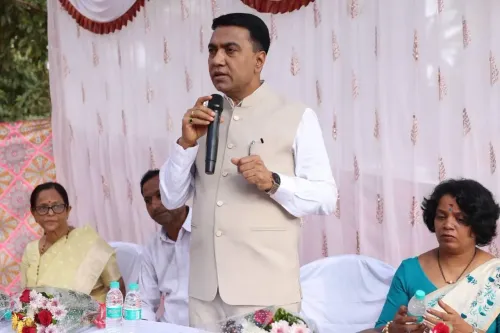
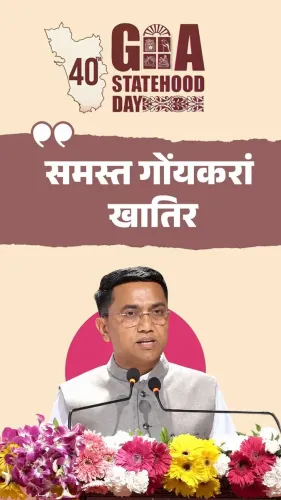
The Chief Minister's Office of Goa announced on Wednesday, 1 July 2026 the launch of the Mukhyamantri Sukanya Kaushal Vikas Protsahan Yojana – 2026, a state government initiative that provides a 100% fee waiver for girls enrolling in Government Industrial Training Institutes (ITIs) across the state.
Context
The scheme was announced through the official Chief Minister's Office account on 1 July 2026, with the state government framing it as a 'transformative initiative' aimed at promoting women's empowerment through access to vocational and technical education. Under the scheme, girl students enrolling in any Government ITI in Goa will bear no tuition or institutional fees, effectively removing one of the most common financial barriers to technical training for young women.
Chief Minister Pramod Sawant, who has held office since 2019, has positioned skill development and women's welfare as twin pillars of the state's social policy agenda. The scheme's name echoes the Central government's Sukanya Samriddhi Yojana, launched in 2015, which focuses on the financial security and education of girl children — signalling a deliberate alignment with that broader national welfare architecture.
Policy Backdrop
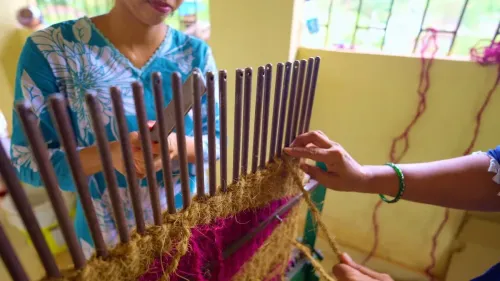
Government ITIs are the backbone of India's vocational training ecosystem, offering courses in trades ranging from electronics and plumbing to computer applications and fashion technology. Nationally, female enrolment in ITIs has historically lagged behind male enrolment, a gap that the Skill India Mission — launched in 2015 — has sought to address by scaling up technical training capacity and broadening access.
From 2018 onwards, several Indian states introduced targeted fee concessions and scholarship programmes for girls in government ITIs, recognising that cost remains a decisive factor in whether families enrol daughters in formal vocational courses. Goa's 100% fee waiver represents one of the more comprehensive versions of such sub-national interventions, eliminating fees entirely rather than offering a partial subsidy. The move also sits within the broader Beti Bachao Beti Padhao framework, which encourages states to design locally tailored measures to improve outcomes for girls in education and employment.
Stakeholders and Impact
The primary beneficiaries are girl students seeking to enrol in government ITIs across Goa, particularly those from lower-income households for whom institutional fees represent a meaningful financial burden. By removing the cost barrier entirely, the scheme is designed to increase female participation in technical trades, which in turn widens the pipeline of skilled women workers available to Goa's industries, including tourism, hospitality, manufacturing, and construction.
Vocational training advocates have long argued that women who complete ITI programmes enjoy significantly improved employment prospects and wage levels. A state-backed fee waiver directly lowers the opportunity cost of enrolment, making it more likely that families will choose technical education for their daughters over early entry into informal or unpaid work. The Goa Directorate of Skill Development is expected to be the nodal body overseeing implementation and tracking enrolment data.
What's Next
Attention will now turn to the operational rollout — specifically, how quickly the fee waiver is integrated into the admissions process for the 2026–27 academic cycle and whether the state budget carries a dedicated allocation to cover the foregone fee revenue. Enrolment figures from the Goa Directorate of Skill Development in the months ahead will serve as the earliest indicator of whether the scheme is translating into measurable gains in female participation at government ITIs.
Any mid-year review of the scheme's budgetary outlay during the 2026–27 Goa Legislative Assembly session will also be closely watched, as it will signal the government's commitment to sustaining the initiative beyond its launch phase and potentially expanding it to cover additional costs such as tools, uniforms, or hostel facilities.
Point of View
The Sawant government is making a bolder fiscal commitment than most comparable state schemes — but the real test will be whether implementation infrastructure, including awareness drives and counselling, keeps pace with the policy announcement. The timing, at the start of the new academic year, is strategically sound, as it allows the scheme to influence admissions decisions in real time rather than retrospectively. If enrolment numbers move meaningfully, this could become a template for other small states seeking to close gender gaps in technical education without large capital outlays.
NationPress
1 Jul 2026
Frequently Asked Questions
What is the Mukhyamantri Sukanya Kaushal Vikas Protsahan Yojana 2026?
It is a Goa state government scheme launched on 1 July 2026 that provides a 100% fee waiver for girl students enrolling in Government Industrial Training Institutes (ITIs) in Goa, aimed at promoting women's empowerment through vocational education.
Who is eligible for the Goa ITI fee waiver scheme for girls?
Girl students seeking admission to Government ITIs in Goa are eligible for the 100% fee waiver under the Mukhyamantri Sukanya Kaushal Vikas Protsahan Yojana – 2026. Specific eligibility criteria beyond gender have not been detailed in the official announcement.
Which government body will implement the Goa girl ITI scheme?
The Goa Directorate of Skill Development is expected to serve as the nodal body overseeing the scheme's implementation and tracking enrolment data, though a formal administrative order detailing the structure has not yet been made public.
How does Goa's scheme relate to Sukanya Samriddhi Yojana?
The scheme's name draws inspiration from the Central government's Sukanya Samriddhi Yojana launched in 2015, which supports girl-child education and financial security. Goa's scheme applies the same welfare philosophy to vocational training by eliminating ITI fees for girl students.
What is the broader impact of the Goa ITI fee waiver on women's employment?
By removing the cost barrier to ITI enrolment, the scheme aims to increase the number of skilled women workers in Goa's economy. ITI graduates generally have improved employment prospects and wages, and higher female enrolment could benefit sectors such as tourism, manufacturing, and construction.