CM Joseph Vijay Chairs Tourism & Culture Review at Secretariat
Synopsis
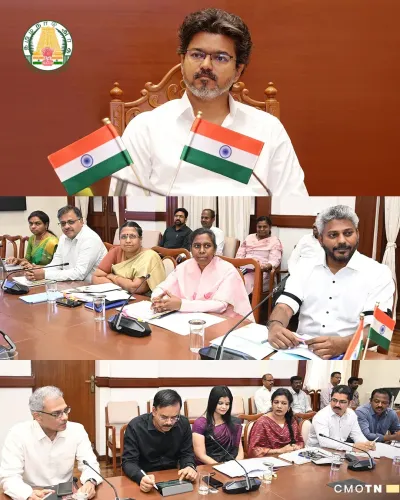
Chief Minister C. Joseph Vijay on 20 July 2026 chaired a review meeting at the Tamil Nadu Secretariat to assess the plans and operations of the Tourism, Culture and Special Initiatives Department, signalling active executive oversight of the state's heritage and tourism agenda.
Key Takeaways
Joseph Vijay personally chaired the review meeting on 20 July 2026 .
The meeting was held at the Tamil Nadu Secretariat in Chennai .
The review covered plans and operations of the Tourism, Culture and Special Initiatives Department .
Tamil Nadu has conducted such high-level departmental reviews periodically since at least the 2010s .
Tourism is a key economic sector for Tamil Nadu, with linkages to employment, heritage conservation, and cultural promotion.
Follow-up announcements on scheme allocations or new tourism circuits may emerge ahead of the next state budget exercise.
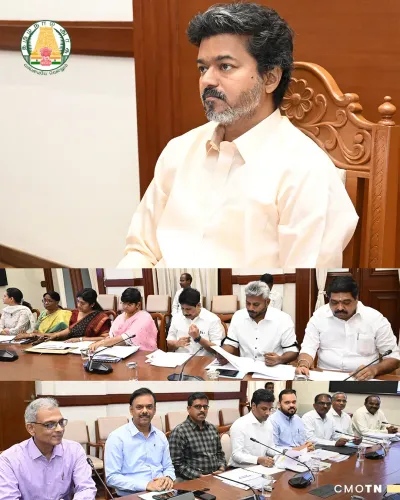
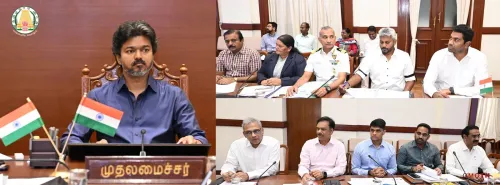
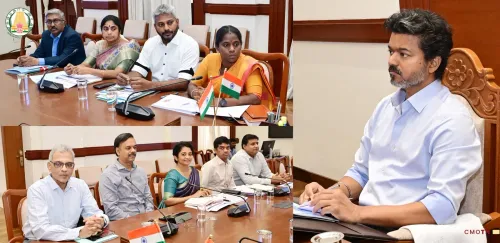
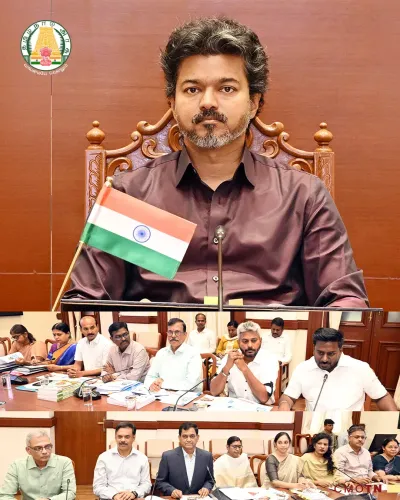
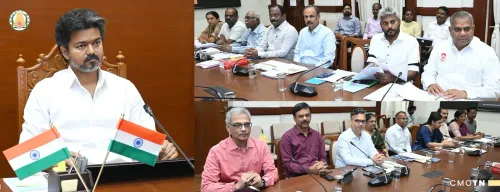
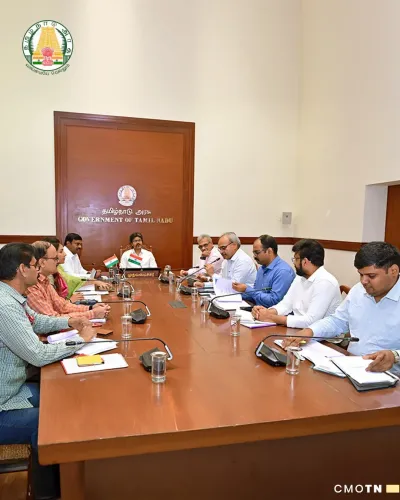
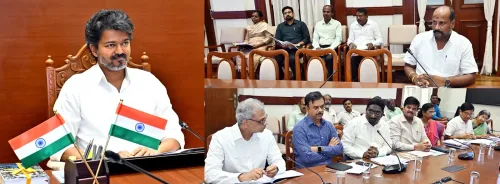
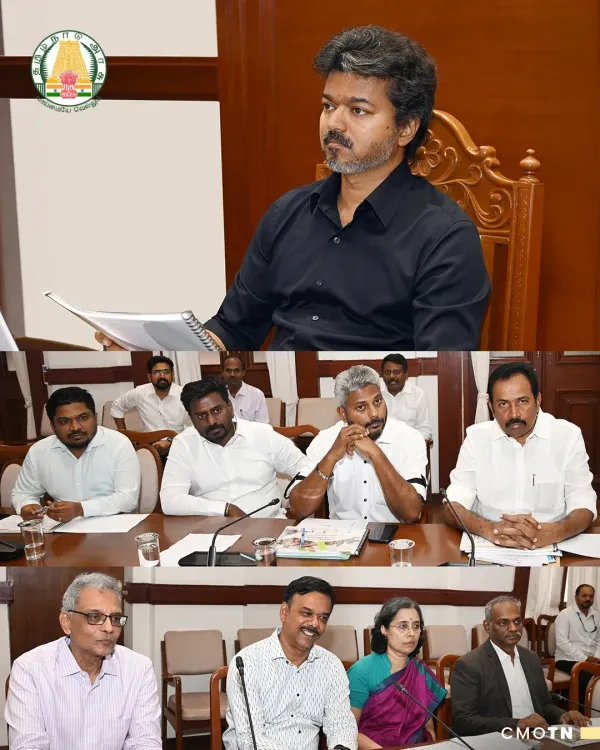
The Chief Minister's Office of Tamil Nadu announced on Monday, 20 July 2026 that Chief Minister C. Joseph Vijay chaired a high-level review meeting at the Tamil Nadu Secretariat in Chennai, examining the plans and operations of the state's Tourism, Culture and Special Initiatives Department.
The official post stated: 'மாண்புமிகு தமிழ்நாடு முதலமைச்சர் திரு.ச.ஜோசப் விஜய் அவர்கள் தலைமையில் இன்று (20.7.2026) தலைமைச் செயலகத்தில், சுற்றுலா, பண்பாடு மற்றும் சிறப்பு முயற்சிகள் துறையின் திட்டங்கள் மற்றும் செயல்பாடுகள் குறித்த ஆய்வுக்கூட்டம் நடைபெற்றது.' — translating to: 'Under the chairmanship of the Honourable Chief Minister of Tamil Nadu, Mr C. Joseph Vijay, a review meeting on the plans and operations of the Tourism, Culture and Special Initiatives Department was held today (20.7.2026) at the Secretariat.'
Context
The Tamil Nadu Secretariat in Chennai serves as the administrative nerve centre of the state government, where the Chief Minister convenes departmental reviews to assess scheme implementation and budget utilisation. Such meetings bring together senior officials from the concerned department and allied agencies to present progress reports directly to the head of government.
The Tourism, Culture and Special Initiatives Department oversees a wide portfolio spanning heritage site management, cultural festivals, tourism circuit development, and special promotional campaigns aimed at positioning Tamil Nadu as a leading destination for domestic and international visitors.
Policy Backdrop
Tamil Nadu has maintained a long-standing practice of periodic high-level reviews of tourism and culture schemes, a pattern consistent with state governance since at least the 2010s. These exercises are designed to monitor on-ground implementation, identify bottlenecks, and realign expenditure with state priorities ahead of subsequent budget cycles.
The state has historically positioned its rich cultural heritage — spanning classical Tamil literature, temple architecture, classical dance forms, and coastal landscapes — as a strategic driver of economic activity and employment generation. Tourism has been recognised in successive state budgets as a high-multiplier sector capable of generating livelihoods across rural and urban areas alike.
Stakeholders and Impact
The review directly concerns the tourism industry, including hotel operators, travel agencies, tour guides, and transport providers who depend on state-backed promotional initiatives and infrastructure investment to sustain visitor footfall. Heritage organisations and cultural institutions are equally stakeholders, as departmental allocations shape conservation efforts and the staging of major cultural events.
Across Indian states, such internal reviews routinely inform the pipeline of project approvals and scheme expansions. For Tamil Nadu's tourism sector, a favourable outcome from this review could accelerate pending decisions on new tourism circuits, heritage corridor upgrades, or festival promotion budgets.
What's Next
Observers will watch for follow-up announcements emerging from this review, including possible scheme allocations, the greenlighting of new tourism circuits, or updated targets for visitor arrivals. Any directives issued by CM Joseph Vijay during the meeting are likely to surface in departmental orders or budget proposals in the near term.
The review signals that the current administration is actively engaged in monitoring the pace of implementation within the culture and tourism portfolio, a sector that carries both economic and political significance for the state.
Point of View
Culture and Special Initiatives Department reflects a broader pattern among Indian state governments of using executive-level scrutiny to accelerate scheme delivery and signal political priorities. For Tamil Nadu, where cultural identity and heritage tourism carry deep electoral resonance, such a review is rarely purely administrative — it often precedes announcements on marquee projects or festival funding. The meeting also suggests the new administration is in an active phase of taking stock of inherited departmental programmes before committing fresh resources. Stakeholders in the tourism and heritage sectors will read this as an early indicator of where the government's discretionary spending may be directed.
NationPress
21 Jul 2026
Frequently Asked Questions
What was the review meeting chaired by CM Joseph Vijay about?
CM Joseph Vijay chaired a review meeting on 20 July 2026 at the Tamil Nadu Secretariat to examine the plans and operations of the Tourism, Culture and Special Initiatives Department.
Where was the Tamil Nadu CM's departmental review meeting held?
The meeting was held at the Tamil Nadu Secretariat in Chennai, which is the administrative headquarters of the state government.
What does the Tourism, Culture and Special Initiatives Department do?
The department oversees tourism promotion, heritage site management, cultural festivals, and special initiatives aimed at positioning Tamil Nadu as a leading destination for domestic and international visitors.
Will there be new tourism schemes in Tamil Nadu after this review?
While no specific announcements have been made yet, such reviews typically feed into subsequent budget exercises or project approvals, and observers expect possible announcements on new tourism circuits or scheme allocations.
Why does Tamil Nadu hold high-level reviews of tourism and culture?
Tamil Nadu has maintained periodic high-level reviews since at least the 2010s to monitor scheme implementation, identify bottlenecks, and align departmental spending with state priorities ahead of budget cycles.