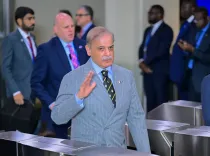
CM Majhi announces Cyclone Arnab relief: cash, rice, house repair aid
Synopsis
Odisha Chief Minister Mohan Charan Majhi has announced a relief package for families affected by Cyclone Arnab, covering financial aid for complete and partial house reconstruction, along with rice, cash and essential household supplies.
Key Takeaways
CM Mohan Charan Majhi announced relief for Cyclone Arnab -affected families on 2 November 2026 .
Families with completely destroyed homes will receive financial support for full reconstruction.
Families with partially damaged homes will receive repair assistance.
All affected households will receive rice, cash , and essential household items.
The relief model mirrors Odisha's post-Fani 2019 response template, which has become the state's standard cyclone protocol.
Key next steps include damage assessment rollout and potential follow-up announcements on additional reconstruction funding.
When a cyclone sweeps in from the Bay of Bengal, the clock starts ticking for millions of families along Odisha's coast — and Odisha Chief Minister Mohan Charan Majhi has moved swiftly, announcing a multi-pronged relief package for families hit by Cyclone Arnab on 2 November 2026.
What the relief package covers
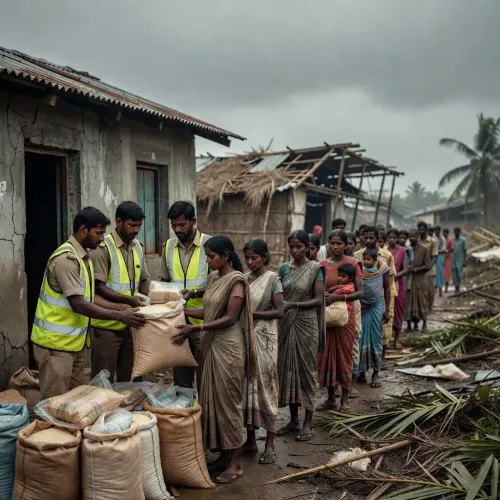
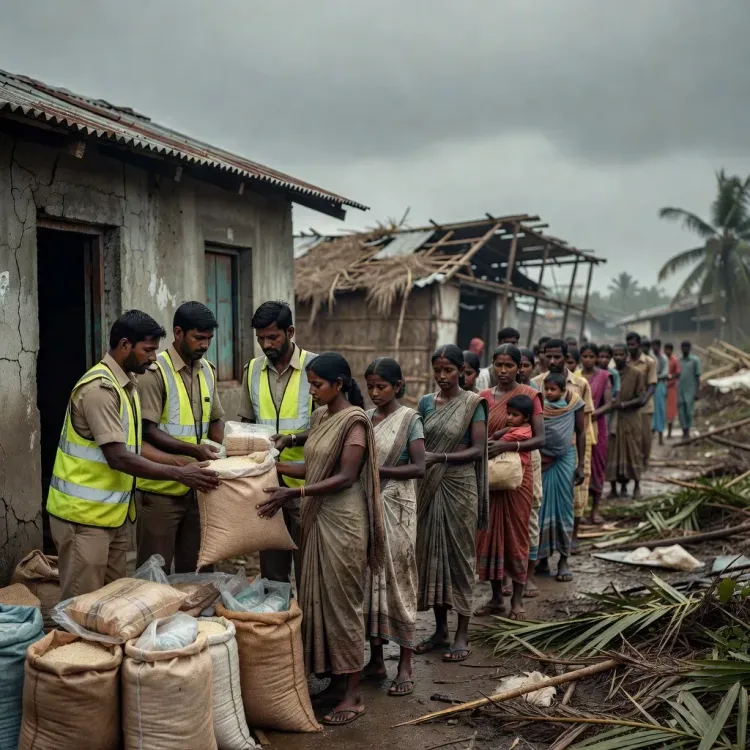
The package targets two overlapping needs: shelter and survival. Families whose homes were completely destroyed will receive financial support for full reconstruction; those with partial damage will get repair assistance. On top of that, every affected household will be provided rice, cash, and a set of essential household items to help them get back on their feet.
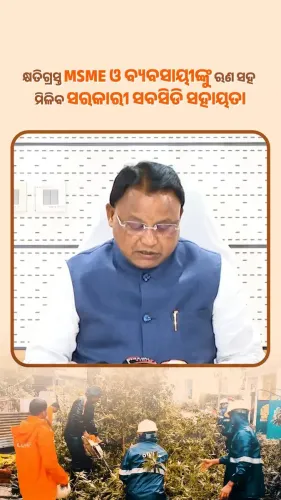
Majhi posted in Odia and English: 'ବାତ୍ୟା 'ଅର୍ଣ୍ଣବ'ରେ କ୍ଷତିଗ୍ରସ୍ତ ପରିବାରଙ୍କୁ ସମ୍ପୂର୍ଣ୍ଣ ଓ ଆଂଶିକ କ୍ଷତିଗ୍ରସ୍ତ ଘରର ମରାମତି ପାଇଁ ଆର୍ଥିକ ସହାୟତା' — 'Special assistance for families affected by Cyclone Arnab, including financial support for house reconstruction and repairs, along with rice, cash assistance and essential household support.'
Odisha's long-tested disaster playbook
Odisha sits squarely in the cyclone corridor of the eastern coast, absorbing some of the most powerful storms the Bay of Bengal generates. The state refined its disaster-response model most visibly after Cyclone Fani in 2019, when the government rolled out an almost identical package: cash transfers, foodgrain distribution, and tiered housing assistance for fully and partially damaged structures. That template has since become the default government response — replicated by successive administrations as a near-standard protocol.
What keeps the model relevant is its simplicity. Cash reaches families faster than in-kind goods alone; rice addresses immediate food security; and splitting reconstruction support between 'complete' and 'partial' damage tiers allows relief funds to be allocated more precisely rather than spread thin.
The road from announcement to doorstep
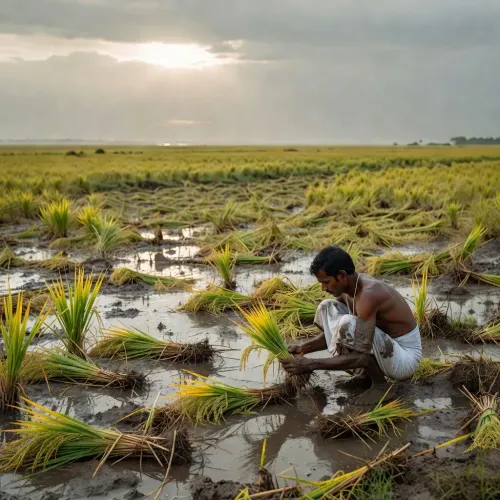
The harder work begins now. Relief announcements are only as good as their distribution — and in cyclone-hit coastal districts, flooded roads, damaged electricity infrastructure, and displaced populations can slow last-mile delivery significantly. The key variables to watch are the speed of damage assessment, the efficiency of beneficiary identification, and whether additional reconstruction funds follow once the full scale of losses becomes clear.
For the families who rode out Cyclone Arnab in damaged homes or temporary shelters, these announcements are the first signal that the state has seen them. Whether the relief arrives quickly enough to matter is the question that will define how this response is remembered.
Point of View
Swift public announcements serve a dual function: mobilising administrative machinery and signalling responsiveness to a state that has historically benchmarked its governments on cyclone management. The real test, as always in Odisha's coastal relief operations, is last-mile distribution speed.
NationPress
2 Nov 2026
Frequently Asked Questions
What relief has the Odisha government announced for Cyclone Arnab victims?
The Odisha government announced financial aid for house reconstruction and repairs for completely and partially damaged homes, along with rice, cash and essential household items for all affected families.
Who announced the Cyclone Arnab relief package in Odisha?
Odisha Chief Minister Mohan Charan Majhi announced the relief package for Cyclone Arnab-affected families on 2 November 2026 .
What is Cyclone Arnab and which state did it affect?
Cyclone Arnab is a cyclone that struck Odisha , an eastern Indian state on the Bay of Bengal that is frequently in the path of severe cyclonic storms.
How does Odisha's Cyclone Arnab relief compare to past cyclone responses?
The package closely mirrors Odisha's response to Cyclone Fani in 2019 , which included cash transfers, foodgrain distribution and tiered housing repair support — a model successive state governments have maintained as standard protocol.
Will Odisha give cash directly to Cyclone Arnab-affected families?
Yes, CM Majhi's announcement specifically includes cash assistance along with rice and essential supplies as part of the immediate relief for affected families.