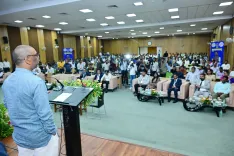
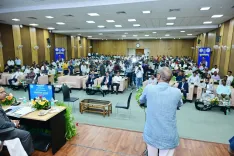
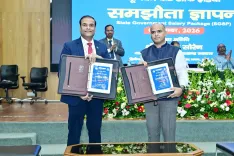
CM Majhi Backs ₹14,500 Cr Cabinet Nod for 92 GWh Storage Push
Synopsis
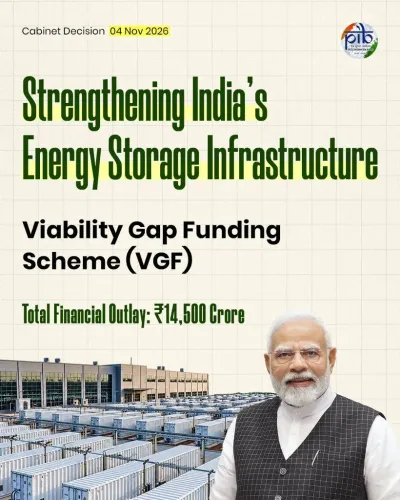
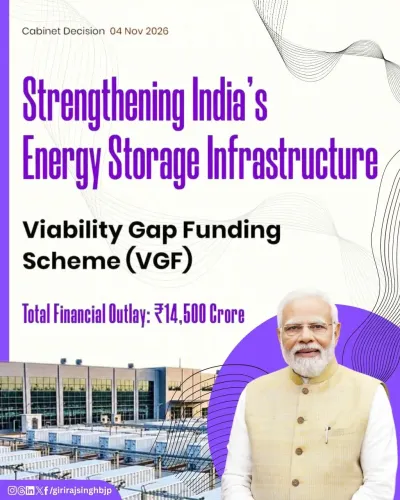
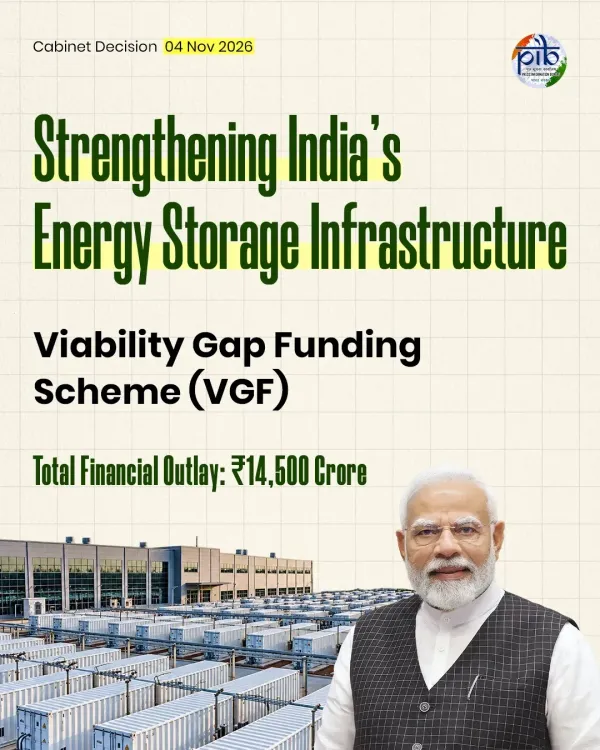
The Union Cabinet has approved a ₹14,500 crore Viability Gap Funding Scheme to develop 92 GWh of grid-scale energy storage across battery, pumped hydro, and emerging technologies. Odisha CM Mohan Charan Majhi welcomed the move, underscoring its role in driving energy self-reliance and renewable integration.
Key Takeaways
The Union Cabinet approved a ₹14,500 crore Viability Gap Funding Scheme for 92 GWh of grid-scale energy storage.
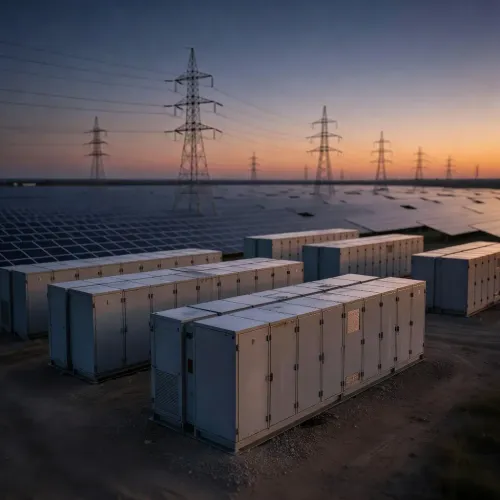
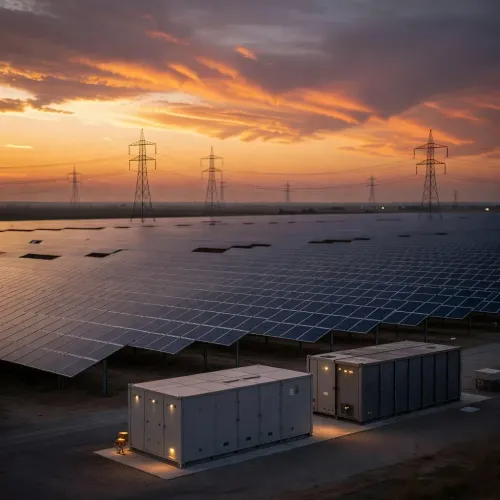
The scheme covers Battery Energy Storage Systems , Pumped Storage Projects , and emerging storage technologies.
A domestic content requirement for battery systems is built in to reduce import dependence and boost indigenous manufacturing.
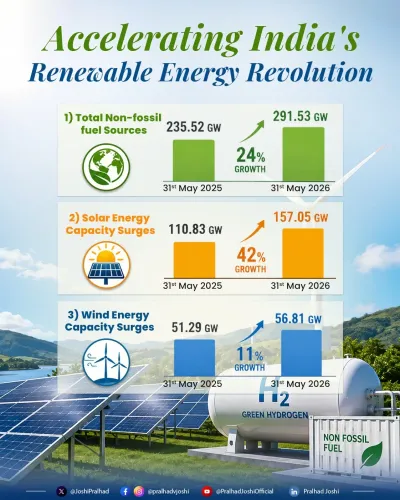
The initiative supports India's target of 500 GW non-fossil fuel capacity by 2030 by addressing renewable intermittency.
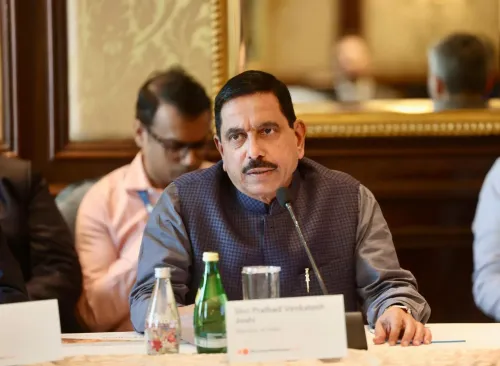
Odisha CM Mohan Charan Majhi highlighted the scheme's significance for energy security and self-reliance under PM Narendra Modi's leadership.
Detailed guidelines and bidding timelines from central agencies are the immediate next milestones to watch.
India's grid is about to get a serious backbone. Odisha Chief Minister Mohan Charan Majhi on Wednesday, November 4, 2026, welcomed the Union Cabinet's approval of a ₹14,500 crore Viability Gap Funding (VGF) Scheme aimed at developing 92 GWh of grid-scale energy storage — a move the Centre says will anchor India's renewable energy ambitions to a dependable, round-the-clock power supply.
What the ₹14,500 Crore Scheme Actually Funds
The Cabinet approval covers three distinct storage pathways: Battery Energy Storage Systems (BESS), Pumped Storage Projects (PSPs), and emerging storage technologies. The VGF structure — a tried mechanism that bridges the gap between economic value and commercial viability — will provide government funding to make these projects attractive for private developers who would otherwise struggle to recover costs in early-stage markets.
The domestic content requirement embedded in the battery storage component is as significant as the headline number. It directly extends the Atmanirbhar Bharat (self-reliant India) logic — already applied to solar modules and Advanced Chemistry Cell manufacturing — into the storage segment, aiming to curb import dependence on battery supply chains dominated by Chinese manufacturers.
Why Storage Is the Missing Piece in India's 500 GW Target
India's pledge of 500 GW of non-fossil fuel capacity by 2030, made at COP26 in Glasgow in 2021, has a structural problem: solar and wind generate power when the sun shines and wind blows — not necessarily when demand peaks. Without large-scale storage, surplus renewable energy is curtailed and consumers still depend on coal plants for evening load.
The 92 GWh target directly attacks that intermittency gap. For context, grid-scale storage at this scale can hold enough energy to power millions of homes through non-generating hours, fundamentally changing how grid operators dispatch power. The Ministry of Power had already signalled this direction with Pumped Storage Project guidelines issued in April 2023, but the VGF now provides the financial scaffold to move from policy to procurement.
Odisha's Stake — and Majhi's Signal
CM Majhi is not a passive cheerleader here. Odisha's river systems and topography make it one of the more promising states for pumped hydro storage development — a technology that uses surplus electricity to pump water uphill and releases it through turbines when demand rises. By amplifying the Cabinet decision, Majhi signals that Odisha is positioning itself as an active bidder for pumped storage project allocations under the new scheme.
The broader pattern is familiar: state governments with geographic or industrial advantages tend to move quickly once Centre-level VGF frameworks are notified, knowing that early project proposals secure a larger share of financial support before allocations tighten.
From Approval to Actual Megawatts
Cabinet approval is the starting gun, not the finish line. The next critical milestones are the detailed scheme guidelines and competitive bidding timelines that central agencies must issue, followed by state-level project proposals. Developers, domestic battery manufacturers, and state power utilities — all of whom stand to gain — will be watching closely for the fine print on domestic content thresholds and VGF disbursement mechanics.
India's energy storage push has been building for years. This ₹14,500 crore commitment is the largest single-shot financial signal yet that the government is ready to pay for the infrastructure that makes clean energy reliable — not just abundant.
Point of View
500 crore VGF approval marks a structural shift in how India approaches its clean-energy transition — moving from capacity addition to reliability engineering. Pairing a large storage target with a domestic content clause is a deliberate extension of the Atmanirbhar Bharat industrial policy into critical battery supply chains, a space where import dependence poses both economic and strategic risk. CM Majhi's prominent endorsement signals that state governments are already calculating how pumped hydro geography translates into project allocations under the new framework. The real test will be whether central agencies can convert Cabinet approval into executed gigawatt-hours before the 2030 renewable target deadline tightens.
NationPress
4 Nov 2026
Frequently Asked Questions
What is the ₹14,500 crore Viability Gap Funding Scheme for energy storage?
It is a Union Cabinet-approved scheme that provides government financial support to bridge the commercial viability gap for developers building grid-scale energy storage, covering Battery Energy Storage Systems, Pumped Storage Projects, and emerging technologies with a combined target of 92 GWh.
What is 92 GWh of grid-scale energy storage and why does it matter?
92 GWh refers to the total energy storage capacity targeted under the scheme. At this scale, the storage systems can hold surplus renewable energy generated during the day and release it during peak demand hours, solving the intermittency problem that limits round-the-clock clean power supply.
How does this scheme support India's 500 GW renewable energy target?
India's 500 GW non-fossil fuel target by 2030 requires storage to make solar and wind power dispatchable around the clock. The VGF scheme finances the storage infrastructure that allows renewable energy to be used when needed rather than when it is generated.
What is the domestic content requirement in this energy storage scheme?
The scheme mandates the use of domestically manufactured components in Battery Energy Storage Systems, aiming to build an indigenous battery manufacturing industry, reduce dependence on imported batteries, and align with the Atmanirbhar Bharat self-reliance mission.
Why did Odisha CM Mohan Charan Majhi welcome this Cabinet decision?
Odisha's geography makes it well-suited for Pumped Storage Projects, and CM Majhi's support signals that the state intends to actively participate in the scheme by proposing pumped hydro projects, potentially securing significant VGF support for Odisha's energy infrastructure.