CM Majhi Pushes Dairy Growth via Kamdhenu Yojana Subsidies
Synopsis
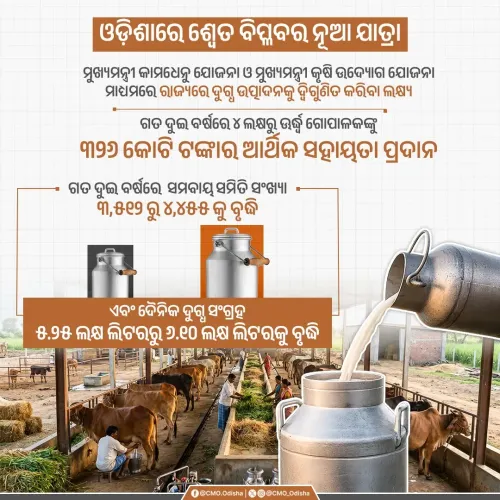
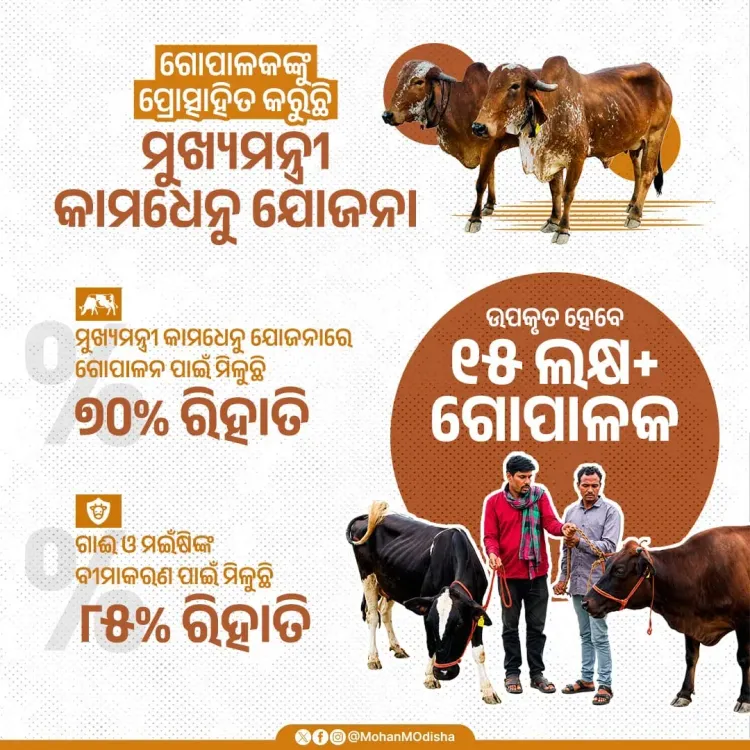
Odisha Chief Minister Mohan Charan Majhi has highlighted the Mukhyamantri Kamdhenu Yojana, which provides a 70% subsidy for cattle rearing and an 85% subsidy on cow and buffalo insurance, as part of the state government's sustained drive to promote dairy farming and raise milk production among rural households.
Key Takeaways
CM Mohan Charan Majhi reaffirmed the Odisha government's focus on cattle rearing and milk production on June 1, 2026 .
The Mukhyamantri Kamdhenu Yojana offers a 70% subsidy for cattle rearing activities.
An 85% subsidy is provided on insurance for cows and buffaloes under the same scheme.
The scheme targets dairy farmers and rural livestock owners across Odisha .
The initiative aligns with the national Rashtriya Gokul Mission launched in 2014 to boost indigenous cattle breeds and milk output.
Rollout progress, beneficiary numbers, and supplementary dairy infrastructure funding remain key metrics to watch.
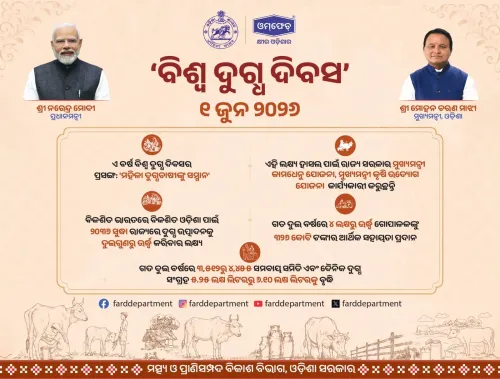
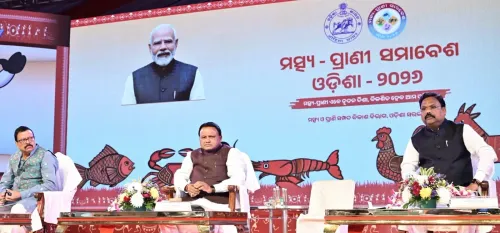
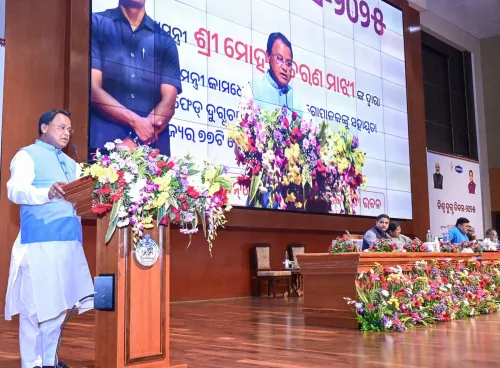
Odisha Chief Minister Mohan Charan Majhi on Monday, June 1, 2026, reaffirmed his government's commitment to promoting cattle rearing and boosting milk production in the state, highlighting the Mukhyamantri Kamdhenu Yojana as the centrepiece of this push. The scheme offers a 70% subsidy for cattle rearing and an 85% subsidy on insurance for cows and buffaloes, extending meaningful financial relief to dairy farmers and rural livestock owners across Odisha.
Context
Posting in Odia, CM Majhi wrote that the people's government (ଲୋକଙ୍କ ସରକାର — 'the people's government') has been continuously working to encourage cattle rearing and increase milk production. He specifically cited the Mukhyamantri Kamdhenu Yojana as the vehicle through which subsidies of 70% for cattle rearing and 85% for cow and buffalo insurance are being provided to beneficiaries. The post was accompanied by an image, reinforcing the government's outreach on the scheme.
Policy Backdrop
The Mukhyamantri Kamdhenu Yojana is an Odisha state initiative designed to support dairy activities through direct subsidy support and livestock insurance coverage. It sits within a broader national policy framework: the Government of India launched the Rashtriya Gokul Mission in 2014 to conserve indigenous cattle breeds and raise milk output across states, including Odisha. The Kamdhenu Yojana complements this central push by addressing the financial barriers — upfront cattle purchase costs and the risk of livestock loss — that have historically kept small and marginal farmers from scaling dairy operations.
Comparable subsidy-based cattle schemes are operational in multiple states, reflecting a broader consensus that mixed farming with dairy components is a reliable pathway to improving rural household incomes. CM Majhi, who assumed office in June 2024 following the BJP's victory in the Odisha assembly elections, has positioned rural development and agricultural welfare at the centre of his administration's agenda.
Stakeholders and Impact
Dairy farmers and rural livestock owners in Odisha stand to benefit most directly from the scheme. The 85% insurance subsidy for cows and buffaloes is particularly significant: livestock loss to disease or accident can be financially devastating for small households, and high insurance coverage reduces that vulnerability substantially. The 70% subsidy on cattle rearing lowers the entry cost for new entrants to dairy farming, potentially widening the beneficiary base beyond established farmers to include landless and marginal rural households.
Increased local milk production also has downstream implications for Odisha's dairy cooperative network and processing infrastructure. A sustained rise in milk output could strengthen the state's position in eastern India's dairy supply chain and reduce dependence on milk supplies from other states.
What's Next
Attention will now turn to the rollout progress of the Mukhyamantri Kamdhenu Yojana — specifically the number of beneficiaries enrolled, disbursement of subsidy amounts, and whether supplementary budget provisions are made for dairy infrastructure or cattle breed improvement programmes. The government's ability to translate the scheme's stated subsidy rates into ground-level impact for Odisha's rural livestock owners will determine whether the policy delivers on its stated goal of making dairy farming a more viable and resilient livelihood across the state.
Point of View
Suggesting a policy architecture calibrated for broad rural outreach rather than incremental gains. The move fits a wider BJP-governed-state pattern of using cattle-linked schemes to simultaneously pursue economic and cultural messaging in agrarian constituencies. Whether implementation keeps pace with the political communication will be the real test of the scheme's long-term credibility.
NationPress
15 Oct 2026
Frequently Asked Questions
What is the Mukhyamantri Kamdhenu Yojana in Odisha?
The Mukhyamantri Kamdhenu Yojana is an Odisha state government scheme that provides subsidies for cattle rearing and livestock insurance to support dairy farming. It offers a 70% subsidy for cattle rearing and an 85% subsidy on insurance for cows and buffaloes.
How much subsidy is given for cattle insurance under Kamdhenu Yojana?
Under the Mukhyamantri Kamdhenu Yojana, an 85% subsidy is provided on insurance for cows and buffaloes, significantly reducing the financial risk for livestock owners in Odisha.
Who benefits from the Mukhyamantri Kamdhenu Yojana?
Dairy farmers and rural livestock owners in Odisha are the primary beneficiaries of the Mukhyamantri Kamdhenu Yojana, which aims to lower entry costs and protect against livestock loss.
What is Mohan Charan Majhi's focus for Odisha's rural economy?
Since taking office in June 2024, Chief Minister Mohan Charan Majhi has prioritised rural development and agricultural welfare, including promoting cattle rearing and dairy production through schemes like the Mukhyamantri Kamdhenu Yojana.
How does Odisha's Kamdhenu Yojana relate to the central government's Rashtriya Gokul Mission?
The Mukhyamantri Kamdhenu Yojana complements the central government's Rashtriya Gokul Mission, launched in 2014, which aims to conserve indigenous cattle breeds and increase milk production. Odisha's state scheme adds direct subsidy and insurance support to advance these goals at the grassroots level.