CM Majhi Backs Modi's 12-Year Farm Welfare Push for Odisha
Synopsis
Odisha CM Mohan Charan Majhi on June 16, 2026, pledged to extend every central farmer welfare scheme to all agricultural households in Odisha, citing 12 years of Modi government farm reforms and referencing an article by Union Agriculture Minister Shivraj Singh Chouhan on national agricultural transformation.
Key Takeaways
Odisha CM Mohan Charan Majhi on June 16, 2026 reaffirmed the state's commitment to last-mile delivery of central farmer welfare schemes.
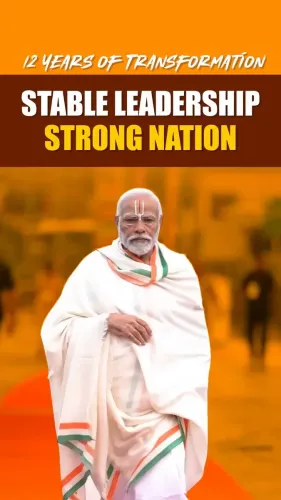
He credited PM Narendra Modi 's 12-year leadership for far-sighted programmes that have improved farmers' living standards nationally.
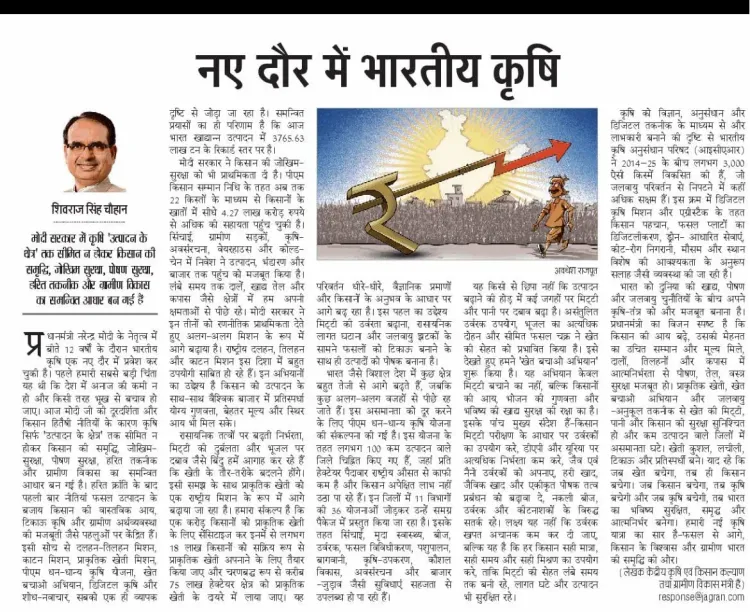
Union Agriculture Minister Shivraj Singh Chouhan authored an article on agricultural progress that Majhi referenced in his post.
Key central schemes underpinning this agenda include PM-KISAN (2019), Pradhan Mantri Fasal Bima Yojana (2016), Soil Health Card (2015), and e-NAM (2016).
Majhi stated that building a 'developed and prosperous Odisha' through strengthened agricultural infrastructure is his government's primary goal.
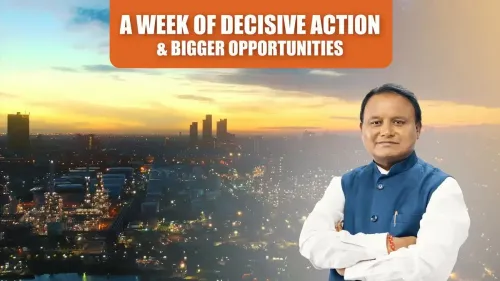
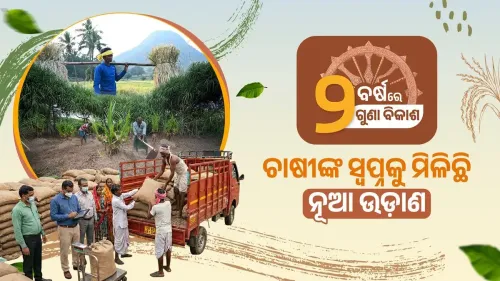
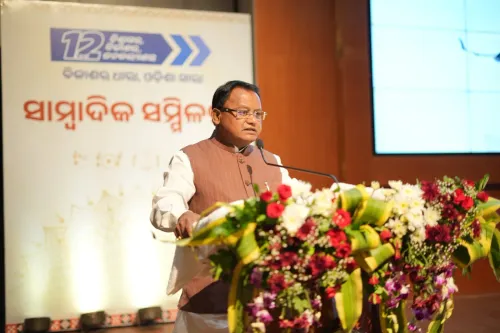
Odisha Chief Minister Mohan Charan Majhi on Tuesday, June 16, 2026, reaffirmed his government's commitment to delivering central farmer welfare schemes to every agricultural household in the state, crediting Prime Minister Narendra Modi's leadership over the past 12 years for transforming the country's agricultural landscape.
Context
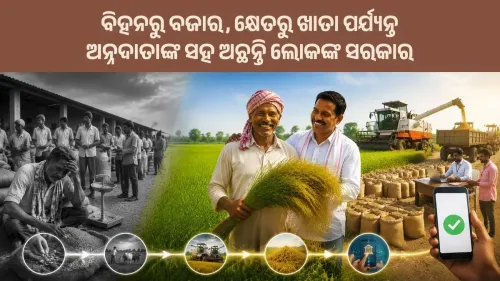
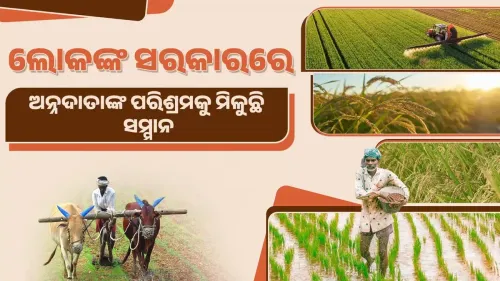
Writing in Odia, CM Majhi stated that under PM Modi's leadership, 'annadatamanka hita uddesyare' (for the welfare of food providers), numerous far-sighted programmes have been undertaken over the last 12 years that have brought 'widespread positive change' in the overall development and living standards of farmers. He also noted that Union Agriculture Minister Shivraj Singh Chouhan has discussed this agricultural progress and transformation in detail in a recent article.
Majhi added that his state government remains 'continuously committed' to ensuring every farmer family in Odisha receives the benefit of each central farmer-welfare policy, and that building a 'developed and prosperous Odisha' through a strengthened agricultural infrastructure is the government's primary goal.
Policy Backdrop
The central government has, since 2014, rolled out a layered set of agricultural interventions. The Pradhan Mantri Kisan Samman Nidhi (PM-KISAN), launched in 2019, provides direct income support to eligible farm families. The Pradhan Mantri Fasal Bima Yojana, introduced in 2016, extended crop insurance coverage, while the Soil Health Card scheme, begun in 2015, aimed to improve soil productivity and reduce input costs.
The e-NAM electronic trading platform, initiated in 2016, sought to integrate agricultural mandis digitally and expand market access for farmers across states including Odisha. Together, these programmes represent a policy architecture combining income support, risk mitigation, and digital market linkage.
Stakeholders and Impact
Odisha, an eastern Indian state with a predominantly agrarian rural economy, has been a key implementation ground for these central schemes. Agricultural families across the state's districts stand as the primary beneficiaries of the convergence between central funding and state-level delivery mechanisms.
CM Majhi's post signals that the BJP-led state government sees alignment with New Delhi's agricultural agenda as a central plank of its governance. The emphasis on 'last-mile delivery' suggests the administration is focused on closing gaps between scheme enrolment and actual benefit transfer at the household level.
What's Next
Attention will now turn to Odisha's forthcoming state budget allocations for agriculture and irrigation, which will be a key indicator of how firmly the state backs its stated commitments with fiscal resources. District-level data on PM-KISAN coverage and uptake of other central schemes will also be watched as a measure of on-ground progress.
Any new convergence programmes announced between the Odisha government and central ministries — particularly the Ministry of Agriculture and Farmers Welfare headed by Shivraj Singh Chouhan — could further define the state's agricultural roadmap in the near term.
Point of View
Majhi reinforces the party's unified messaging on farmer welfare rather than staking out a distinct state-level identity. The emphasis on 'last-mile delivery' is politically significant: it implicitly acknowledges that scheme enrolment and actual benefit receipt remain two different things on the ground. Whether fiscal allocations in the upcoming state budget match this rhetorical commitment will be the real test of the administration's priorities.
NationPress
15 Sept 2026
Frequently Asked Questions
What did Odisha CM Mohan Majhi say about farmers on June 16 2026?
CM Mohan Charan Majhi pledged that his government would ensure every central farmer welfare policy reaches each agricultural family in Odisha, and praised PM Modi's 12-year farm welfare agenda for bringing positive change to farmers' lives.
What is PM-KISAN and does it apply to Odisha farmers?
PM-KISAN is a central government direct income support scheme launched in 2019 that provides financial assistance to eligible farmer families across India, including those in Odisha.
What central farming schemes has the Modi government introduced since 2014?
Key schemes include the Soil Health Card (2015), Pradhan Mantri Fasal Bima Yojana crop insurance (2016), the e-NAM electronic trading platform (2016), and PM-KISAN direct income support (2019).
Who is Shivraj Singh Chouhan and what article did he write?
Shivraj Singh Chouhan is India's Union Minister of Agriculture and Farmers Welfare. CM Majhi referenced an article by Chouhan discussing national agricultural progress and transformation, though the specific publication details were not stated in the post.
What is Odisha's plan for agricultural development under CM Majhi?
CM Majhi has stated that strengthening agricultural infrastructure and ensuring last-mile delivery of central schemes to every farming household are the primary goals of the Odisha government, with a broader aim of building a developed and prosperous state.