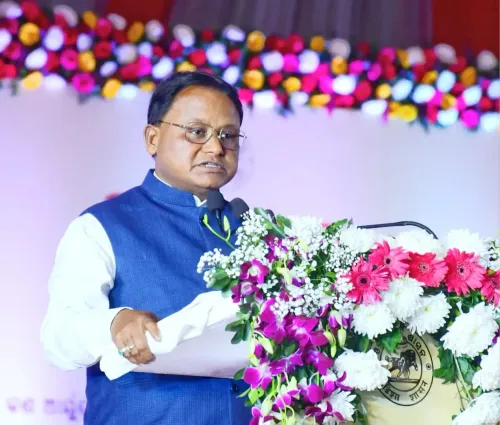
CM Majhi Chairs Odisha Disaster Prep Meet, Eyes Zero Casualty
Synopsis
Chief Minister Mohan Majhi chaired Odisha's State Level Natural Calamity Committee meeting on 22 June 2026, announcing Rs 6 lakh maintenance grants for each of the state's 911 shelters, a social media alert system, and a Zero Casualty commitment, while directing departments to adopt a whole-of-government approach to El Niño risks.
Key Takeaways
911 cyclone and multipurpose shelters across Odisha will each receive Rs 6 lakh in dedicated maintenance funding.
CM Mohan Majhi reaffirmed the state's ' Zero Casualty ' goal, warning that no laxity in disaster management will be tolerated.
Social media platforms will be used to deliver real-time, accurate alerts directly to citizens' mobile phones during emergencies.
All relevant government departments have been advised to adopt a Whole of Government Approach to counter El Niño -linked weather risks.
The Agriculture Department has been directed to prepare a dedicated El Niño contingency plan ahead of the 2026 monsoon.
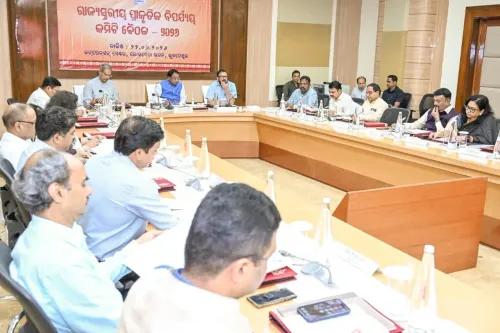
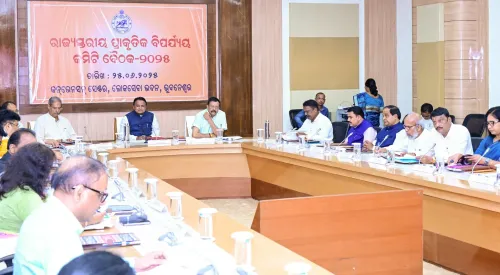
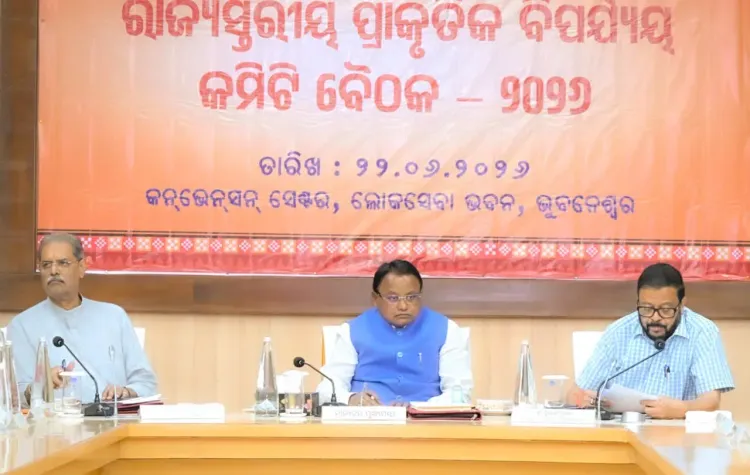
The meeting was held at Lokseva Bhawan Convention Centre, Bhubaneswar , chaired by the Chief Minister.
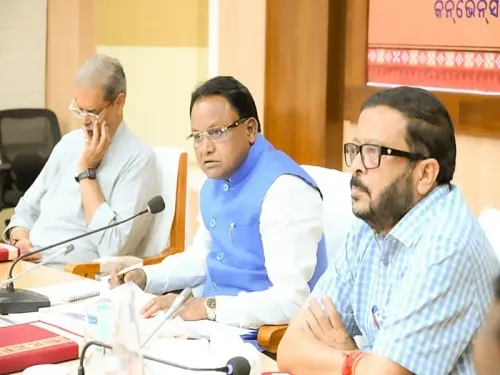
Bhubaneswar, 22 June 2026: The Chief Minister's Office of Odisha announced that the State Level Natural Calamity Committee (SLNCC) Meeting 2026 was held at the Lokseva Bhawan Convention Centre, with Chief Minister Mohan Charan Majhi presiding over the session to review the state's preparedness for upcoming natural disasters.
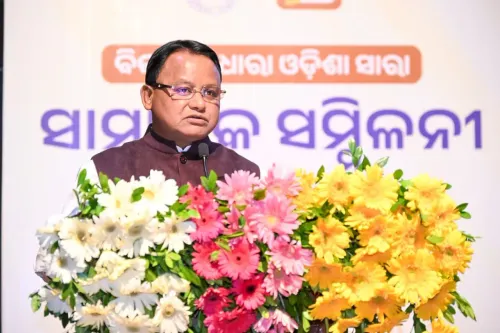
Chairing the meeting, CM Majhi declared that Odisha has developed a completely 'foolproof' system in disaster management and stressed the importance of maintaining that standard without any laxity. The CMO's post, written in Odia, quoted him as saying: 'ବିପର୍ଯ୍ୟୟ ପରିଚାଳନା କ୍ଷେତ୍ରରେ ଓଡ଼ିଶା ଏକ ସମ୍ପୂର୍ଣ୍ଣ ଫୁଲ୍ ପ୍ରୁଫ୍ ବ୍ୟବସ୍ଥା ବିକଶିତ କରିଛି' ('Odisha has developed a completely foolproof system in the field of disaster management').
Key Decisions from the Meeting
The meeting produced several concrete directives. Each of Odisha's 911 cyclone and multipurpose shelters will receive a dedicated maintenance fund of Rs 6 lakh, ensuring the infrastructure remains operationally ready ahead of the monsoon and cyclone season. Authorities also resolved to leverage social media platforms to push accurate, real-time alerts directly to citizens' mobile devices during emergencies.
The state reaffirmed its 'Zero Casualty' mission, with the Chief Minister making clear that no slackness in disaster management would be tolerated. The Agriculture Department was specifically directed to prepare a contingency plan to address scenarios arising from El Niño-influenced weather patterns, which pose risks of erratic monsoon rainfall and drought conditions across eastern India.
Policy Backdrop
Odisha's reputation as a national leader in disaster preparedness was forged after the devastating 1999 super cyclone, which prompted the creation of the Odisha State Disaster Management Authority (OSDMA) and a state-wide network of multipurpose cyclone shelters. Subsequent events — including Cyclone Phailin in 2013 and Cyclone Fani in 2019 — tested and sharpened the state's early-warning systems and community evacuation protocols.
In 2021, the state formalised a 'Whole of Government' approach that integrates departments including agriculture, health, and rural development into a unified disaster response framework. The SLNCC meeting reaffirmed this model, with all relevant government departments advised to act in a coordinated manner to counter El Niño-related risks.
Stakeholders and Impact
The decisions most directly benefit coastal communities and farming households who bear the heaviest burden of cyclones, floods, and droughts. The Rs 6 lakh per shelter maintenance grant for all 911 shelters addresses a persistent concern about the upkeep of infrastructure that serves as the last line of defence for evacuated populations.
The social media alert mechanism is designed to close information gaps in remote and rural areas, ensuring that even communities with limited access to traditional broadcast media receive timely warnings. The agriculture contingency plan, once finalised, will guide decisions on crop insurance, alternative seed varieties, and irrigation support if El Niño disrupts the 2026 monsoon.
What's Next
The immediate priority is the rollout of maintenance grants to shelter management committees across all 911 shelters before the peak monsoon and cyclone season. The Agriculture Department's El Niño contingency plan is expected to be finalised in the near term, with its scope and timelines to be monitored by OSDMA and the Special Relief Commissioner's Office. The state's ability to execute on these commitments will be a key test of whether Odisha's institutional disaster management framework holds its national benchmark status under CM Majhi's administration.
Point of View
Not just rhetorical, commitments. The explicit call for a Whole of Government approach on El Niño reflects a maturing integration of climate science into routine state administration, a shift that began after Fani and is now being institutionalised. Politically, maintaining the Zero Casualty brand is essential for the ruling dispensation, as any major disaster fatality would invite sharp scrutiny. The test will be whether the Agriculture Department's contingency plan translates into ground-level support for farmers before the monsoon peaks.
NationPress
23 Jun 2026
Frequently Asked Questions
What was decided at the Odisha SLNCC 2026 meeting?
The State Level Natural Calamity Committee 2026 meeting, chaired by CM Mohan Majhi, decided to provide Rs 6 lakh maintenance funds to each of Odisha's 911 cyclone shelters, deploy social media for real-time disaster alerts, and direct the Agriculture Department to prepare an El Niño contingency plan.
What is Odisha's Zero Casualty policy in disaster management?
Odisha's Zero Casualty policy is a long-standing commitment to prevent loss of life during natural disasters through early warnings, mass evacuations, and robust shelter infrastructure. CM Majhi reaffirmed this goal at the June 2026 SLNCC meeting.
How much money will Odisha's cyclone shelters get for maintenance?
Each of Odisha's 911 cyclone and multipurpose shelters will receive Rs 6 lakh as a dedicated maintenance fund, as announced at the SLNCC 2026 meeting chaired by CM Mohan Majhi.
What is El Niño and why is Odisha preparing for it?
El Niño is a climate phenomenon that can cause erratic monsoon rainfall and drought conditions in eastern India. Odisha is preparing a whole-of-government contingency plan, including an Agriculture Department strategy, to mitigate its impact on the 2026 monsoon season.
What is OSDMA and what role does it play in Odisha?
OSDMA, the Odisha State Disaster Management Authority, coordinates disaster preparedness and response across the state. It was established after the 1999 super cyclone and oversees shelter management, early-warning systems, and inter-departmental disaster coordination.