CM Majhi Chairs Odisha Disaster Prep Meet for 2026 Season
Synopsis
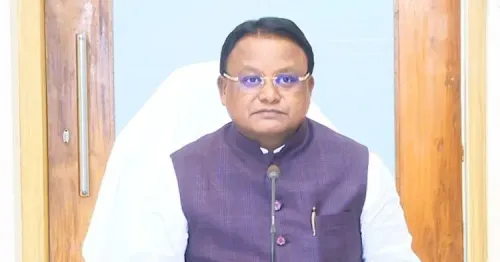
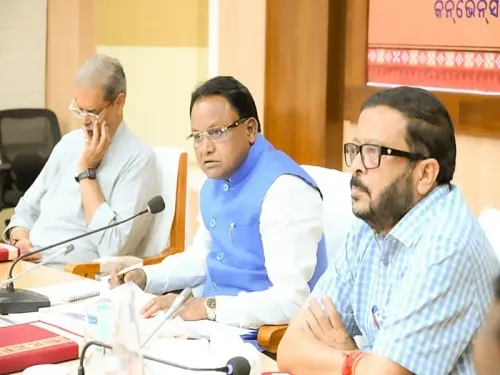
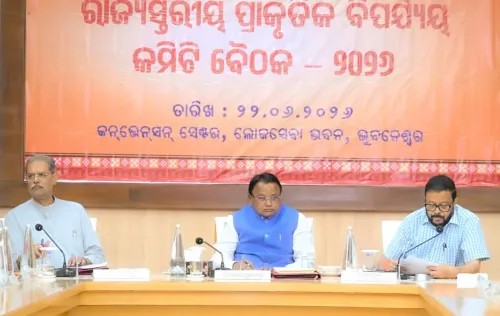
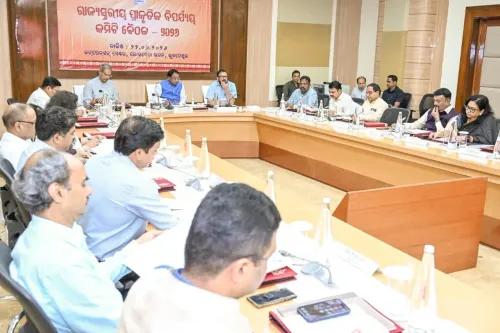
Chief Minister Mohan Charan Majhi chaired the State Level Natural Calamity Committee Meeting 2026 in Odisha on 23 June, calling for unified government and public effort to sustain the state's internationally recognised 'zero casualty' disaster management model ahead of the 2026 monsoon season.
Key Takeaways
Chief Minister Mohan Charan Majhi chaired the SLNCC 2026 meeting on 23 June 2026 to review natural disaster preparedness.
The meeting focused on sustaining Odisha's 'zero casualty' model through coordinated government and public action.
The CM called on all departments to work in coordination to protect lives and livelihoods of Odisha's people.
Odisha's disaster model traces its origins to the 1999 Super Cyclone , which killed over 10,000 people and triggered institutional reform.
During Cyclone Fani in 2019 , over 1.2 million people were evacuated with zero deaths , establishing the model's global credibility.
The SLNCC review sets the operational agenda for the state's emergency machinery through the 2026 monsoon and cyclone season .
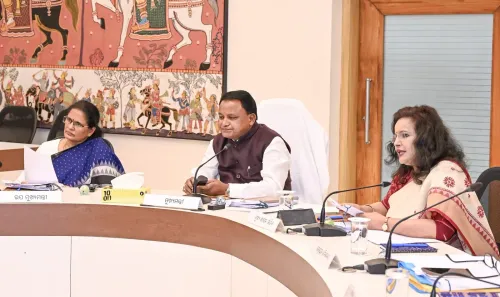
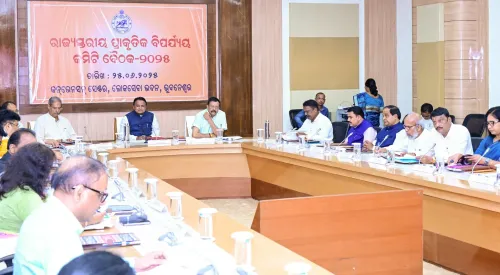
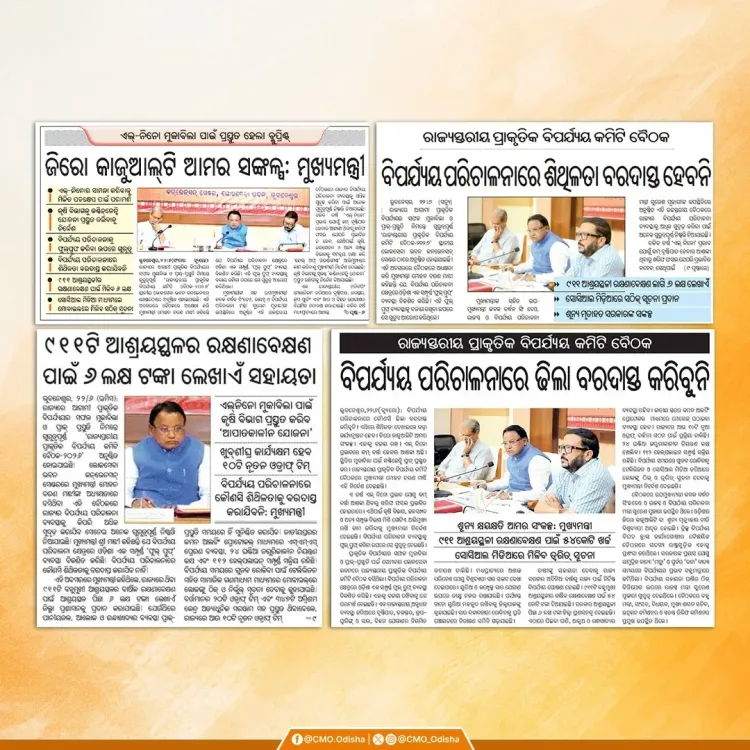
The Chief Minister's Office of Odisha announced on Tuesday, 23 June 2026 that Chief Minister Mohan Charan Majhi chaired the State Level Natural Calamity Committee (SLNCC) Meeting 2026, a high-level annual review convened to strengthen the state's preparedness against upcoming natural disasters.
Context
The meeting, described in the official post as 'ରାଜ୍ୟସ୍ତରୀୟ ପ୍ରାକୃତିକ ବିପର୍ଯ୍ୟୟ କମିଟି ବୈଠକ-୨୦୨୬' (State Level Natural Calamity Committee Meeting-2026), was convened to assess readiness ahead of the 2026 southwest monsoon season. The Chief Minister called on all government departments to work in coordination and with resolve to protect the lives and livelihoods of the people of Odisha.
The official statement emphasised that the government and the public must jointly sustain Odisha's 'zero casualty' model — a benchmark in disaster management that the state has worked to uphold over successive cyclone seasons.
Policy Backdrop
Odisha's reputation in disaster response was forged in the aftermath of the devastating 1999 Super Cyclone, which claimed over 10,000 lives and prompted the creation of the Odisha State Disaster Management Authority (OSDMA) along with a network of multipurpose cyclone shelters across the coast.
The model reached a defining milestone during Cyclone Fani in 2019, when the state evacuated more than 1.2 million people and recorded zero deaths — a feat that drew international recognition and cemented the 'zero casualty' doctrine as the cornerstone of Odisha's emergency governance. The SLNCC meeting is the principal annual mechanism through which this doctrine is reviewed and reinforced.
Stakeholders and Impact
Odisha sits directly on the northern Bay of Bengal cyclone track, making it one of India's most disaster-exposed states. Coastal residents, district disaster management teams, and inter-departmental officials are the primary stakeholders in the preparedness framework being reviewed.
The emphasis on inter-departmental coordination signals that the administration is aligning revenue, health, public works, and emergency services well before peak cyclone and flood season. Such pre-monsoon reviews have historically translated into faster evacuation mobilisation and reduced mortality during actual events.
What's Next
The SLNCC meeting is expected to set the operational tone for the state's disaster response machinery through the 2026 monsoon and cyclone season. Departments are likely to receive directives on shelter readiness, early-warning dissemination, and last-mile communication with vulnerable communities.
Coordination with the National Disaster Management Authority (NDMA) and possible joint preparedness exercises with neighbouring states could follow, as Odisha continues to position its 'zero casualty' model as a replicable national standard.
Point of View
The administration is projecting executive ownership of disaster governance — a politically salient posture in a state that experiences near-annual cyclones and floods. The emphasis on inter-departmental coordination also reflects lessons from past events where siloed response led to delays. Whether the 2026 monsoon season tests this framework will determine how firmly the new administration stamps its own identity on Odisha's celebrated disaster management architecture.
NationPress
23 Jun 2026
Frequently Asked Questions
What is the SLNCC meeting in Odisha?
The State Level Natural Calamity Committee (SLNCC) meeting is an annual high-level review chaired by the Chief Minister of Odisha to assess and strengthen the state's preparedness for cyclones, floods, and other natural disasters before the monsoon season.
What is Odisha's zero casualty model in disaster management?
Odisha's 'zero casualty' model is a disaster management approach that combines early warning systems, mass pre-emptive evacuations, cyclone shelter networks, and inter-departmental coordination to minimise deaths during natural calamities. It gained global recognition after the state evacuated over 1.2 million people with zero fatalities during Cyclone Fani in 2019.
Who chaired the Odisha SLNCC 2026 meeting?
Chief Minister Mohan Charan Majhi chaired the State Level Natural Calamity Committee Meeting 2026, held on 23 June 2026.
Why is Odisha particularly vulnerable to natural disasters?
Odisha lies on the northern Bay of Bengal cyclone track, making it one of India's most cyclone-prone states. It also experiences severe floods during the monsoon season, affecting millions of people in coastal and riverine districts every year.
What happened during Cyclone Fani in Odisha?
During Cyclone Fani in May 2019, the Odisha government evacuated more than 1.2 million people in advance of the storm's landfall and recorded zero deaths, a landmark achievement that established the state's disaster preparedness model as a global benchmark.