CM Majhi Highlights Odisha's Green Missions on Environment
Synopsis
Odisha Chief Minister Mohan Charan Majhi on 7 July 2026 outlined five active green programmes — including Sabuja Mahanadi Mission, Ama Jangal Yojana, CAMPA and MISHTI — and called on citizens to plant trees for a healthier, prosperous Odisha.
Key Takeaways
CM Mohan Charan Majhi posted on 7 July 2026 detailing Odisha's environmental conservation strategy across river, forest, and urban domains.
The Sabuja Mahanadi Mission targets river ecosystem protection along the Mahanadi , while Ama Jangal Yojana focuses on restoring degraded forest land.
Van Suraksha Samitis (Forest Protection Committees) and community participation are credited as central to Odisha's afforestation progress.
Central schemes CAMPA (rooted in the 2016 Compensatory Afforestation Fund Act) and MISHTI (announced in Union Budget 2023-24) complement state-level missions.
An Urban Forestry Programme extends greening efforts to towns and cities within the state.
The Chief Minister emphasised that 'development and environment are complementary, not contradictory,' framing green governance as a core BJP-Odisha policy pillar.
Odisha Chief Minister Mohan Charan Majhi on Tuesday, 7 July 2026, outlined his government's multi-pronged approach to environmental conservation, citing river protection, forest restoration, and urban greening programmes as pillars of the state's sustainability drive. The Chief Minister underscored that development and environment are not adversaries but complements, urging citizens to join a collective effort toward a healthier, greener Odisha.
Context
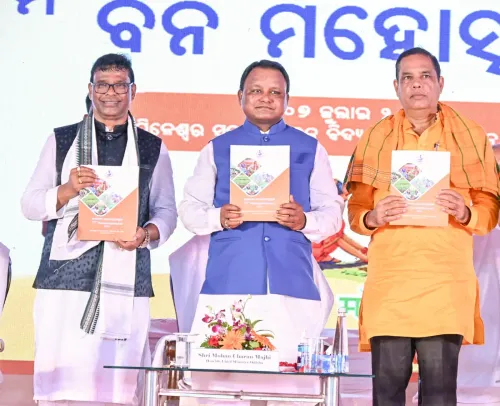
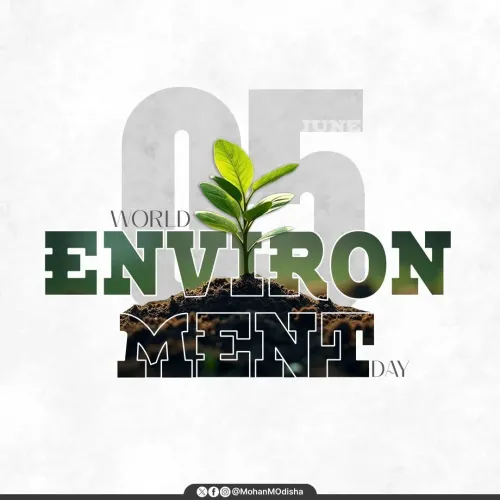
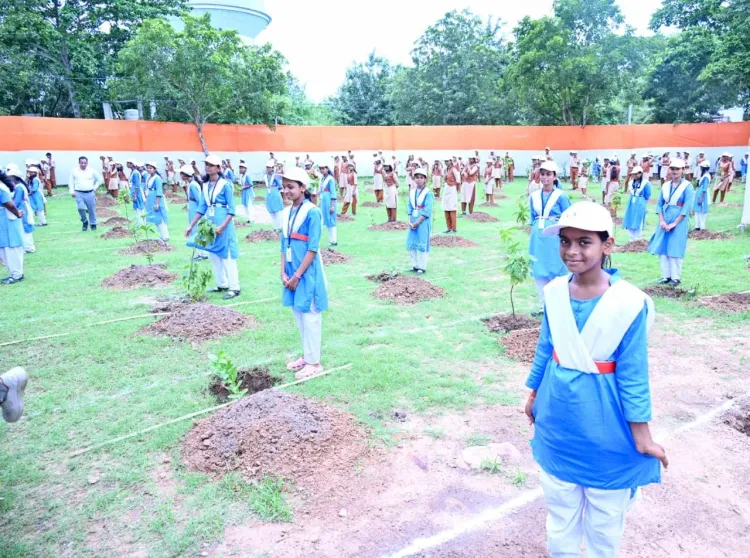
Posting in Odia on X, CM Majhi wrote: 'ବିକାଶ ଓ ପରିବେଶ ପରସ୍ପରର ବିରୋଧୀ ନୁହନ୍ତି, ବରଂ ପରିପୂରକ' — 'Development and environment are not opposites; they are complementary.' He credited Van Suraksha Samitis (Forest Protection Committees) and broad public participation for advancing Odisha's forest cover, positioning the state as a leader nationally in afforestation. The post was accompanied by four images illustrating the greening efforts.
The Chief Minister specifically named five active programmes: the Sabuja Mahanadi Mission for river ecosystem protection, Ama Jangal Yojana for restoration of degraded forests, an Urban Forestry Programme, and the centrally backed CAMPA and MISHTI schemes. He called on all citizens to plant more trees and commit to building a prosperous green Odisha.
Policy Backdrop
The Compensatory Afforestation Fund Management and Planning Authority (CAMPA) draws from a national framework established under the Compensatory Afforestation Fund Act of 2016, channelling funds collected from industries that divert forest land toward replanting and ecosystem restoration. Odisha, with its substantial river systems and forest tracts, has been an active recipient state under this mechanism.
The Mangrove Initiative for Shoreline Habitats and Tangible Incomes (MISHTI) was announced in the Union Budget 2023-24 to expand mangrove coverage along India's coastline, making Odisha — a coastal state — a natural beneficiary. The Sabuja Mahanadi Mission and Ama Jangal Yojana represent state-level complements to these central schemes, focusing on the Mahanadi river basin and community-led forest recovery respectively.
Stakeholders and Impact
Van Suraksha Samitis — community-level forest protection bodies — are positioned as the operational backbone of Odisha's greening push. Their involvement signals a decentralised model where local communities share responsibility for monitoring and maintaining forest patches, reducing pressure on the state forest department alone.
Urban residents stand to benefit from the Urban Forestry Programme, which targets green cover in towns and cities where tree density has traditionally lagged behind rural areas. Coastal communities, particularly in districts along the Bay of Bengal, are the primary stakeholders for the MISHTI mangrove restoration component, which also aims to generate supplementary livelihoods.
What's Next
The next edition of the India State of Forest Report will be a key benchmark for validating whether Odisha's forest cover has measurably improved under these combined initiatives. Budget allocations for the Ama Jangal Yojana and Sabuja Mahanadi Mission in the upcoming Odisha assembly session will indicate the government's financial commitment to scaling these programmes.
CM Majhi's public communication signals that environment-linked governance will remain a visible plank for the BJP-led state administration, particularly as India's commitments under international climate frameworks intensify scrutiny on state-level forest and river conservation outcomes.
Point of View
Aligning state schemes with central flagship programmes to project policy coherence ahead of the next forest cover assessment cycle. By invoking community bodies like Van Suraksha Samitis alongside CAMPA and MISHTI, the BJP-led administration is framing afforestation as a shared civic project rather than a top-down mandate — a politically useful framing in a state with large tribal and forest-dependent populations. The 'development and environment are complementary' line is also a pointed counter to opposition narratives that industrial clearances under BJP governments erode ecological commitments. How the next India State of Forest Report scores Odisha will be the real test of whether this communication reflects ground-level outcomes.
NationPress
7 Jul 2026
Frequently Asked Questions
What is the Sabuja Mahanadi Mission in Odisha?
The Sabuja Mahanadi Mission is an Odisha state programme focused on protecting the river ecosystem and promoting conservation along the Mahanadi river basin. CM Majhi cited it as one of the government's key environmental initiatives on 7 July 2026.
What is Ama Jangal Yojana?
Ama Jangal Yojana is an Odisha government scheme aimed at restoring degraded forest areas through community involvement. It works alongside central funding mechanisms like CAMPA to replant and rehabilitate lost forest cover.
What is MISHTI scheme and how does it relate to Odisha?
MISHTI — Mangrove Initiative for Shoreline Habitats and Tangible Incomes — was announced in the Union Budget 2023-24 to expand mangrove coverage along India's coastline. As a coastal state on the Bay of Bengal, Odisha is a direct beneficiary of this central scheme.
What are Van Suraksha Samitis and what role do they play in Odisha?
Van Suraksha Samitis are community-level forest protection committees in Odisha. CM Majhi credited them with playing an unparalleled role in increasing the state's forest cover and positioning Odisha among the leading states nationally in afforestation.
What is CAMPA and why is it important for Odisha's forests?
CAMPA, the Compensatory Afforestation Fund Management and Planning Authority, was established under the Compensatory Afforestation Fund Act of 2016. It channels funds from industries that divert forest land into replanting and ecosystem restoration, providing a key financial backbone for Odisha's afforestation programmes.