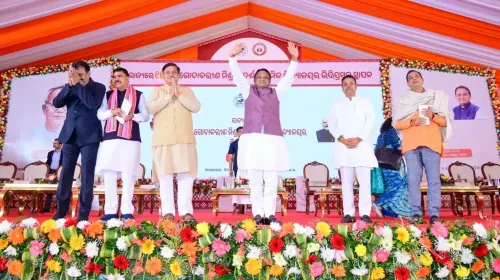
CM Majhi lays foundation for Phase 2 of Godabarish Mishra Adarsha Schools
Synopsis
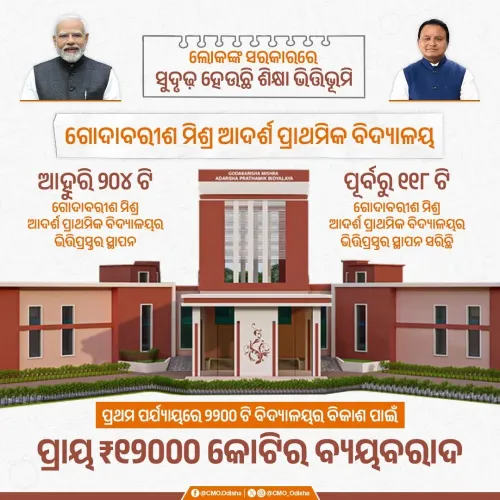
Chief Minister Mohan Charan Majhi laid foundation stones for 204 model primary schools in Phase 2 of the Godabarish Mishra Adarsha Vidyalaya scheme at Khordha's Kumarabasta. The Rs 12,000 crore programme targets 2,200 schools across all 30 Odisha districts, modelled on the historic Satyabadi Bakulban Vidyalaya.
Key Takeaways
CM Mohan Charan Majhi attended the Phase 2 foundation-stone ceremony at Kumarabasta, Khordha district on June 7, 2026 .
Phase 2 covers 204 Adarsha Vidyalayas across 30 districts of Odisha.
Construction is already underway on 322 model schools under the broader scheme.
The total programme targets 2,200 model primary schools at an outlay of Rs 12,000 crore .
Schools will be developed on the template of Satyabadi Bakulban Vidyalaya , founded in 1909 by Gopabandhu Das.
The scheme is named after Odia freedom fighter and writer Godabarish Mishra .
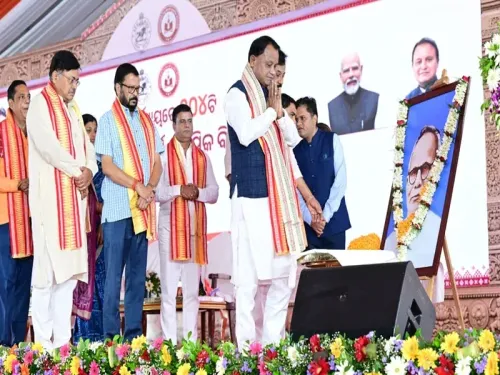
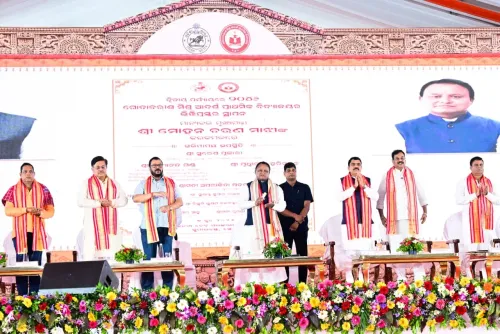
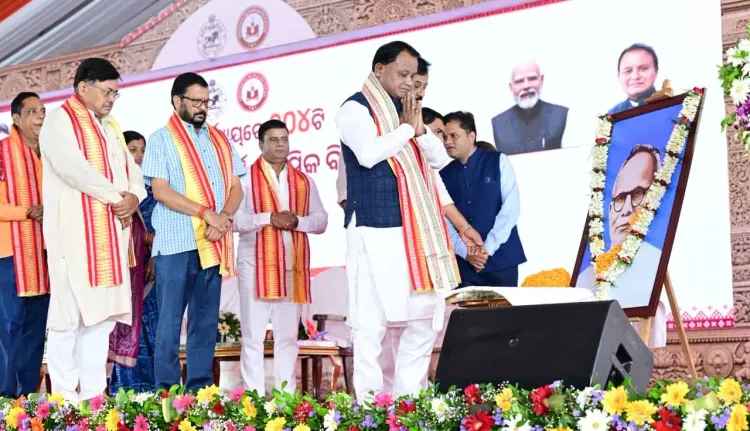
Chief Minister Mohan Charan Majhi attended the foundation-stone laying ceremony for the second phase of the Godabarish Mishra Adarsha Primary School scheme at Kumarabasta in Khordha district on Sunday, June 7, 2026. The event marks the formal commencement of the next stage of Odisha's ambitious statewide model-school construction drive.
Context
The Chief Minister's Office of Odisha announced that the second phase covers 204 Adarsha Vidyalayas across 30 districts, with foundation stones laid simultaneously. Construction work on 322 model schools has already been initiated under the broader programme. The ceremony at Kumarabasta served as the symbolic launch point for the phase-two rollout.
CM Majhi stated at the event: 'Satyabadi Bakulban Vidyalaya dhanchare Godabarish Mishra Adarsha Primary Vidyalayara bikash karajiba' — meaning, 'The Godabarish Mishra Adarsha Primary Schools will be developed on the model of Satyabadi Bakulban Vidyalaya.' The reference anchors the new schools to one of Odisha's most celebrated educational traditions.
Policy Backdrop
The Godabarish Mishra Adarsha Vidyalaya Yojana envisions the construction of 2,200 model primary schools across Odisha at a total investment of Rs 12,000 crore. The scheme is named after Godabarish Mishra, a revered Odia freedom fighter and litterateur, signalling the government's intent to link educational reform with the state's cultural heritage.
The developmental template cited by CM Majhi — Satyabadi Bakulban Vidyalaya — was founded in 1909 by nationalist leader Gopabandhu Das as a residential school delivering quality rural education. Its pedagogical ethos of community-rooted, residential learning is being positioned as the benchmark for the new infrastructure.
Odisha has progressively expanded its Adarsha Vidyalaya network through successive phases since the scheme's formal launch. The post-June 2024 BJP administration under CM Majhi has continued and scaled this effort, framing it as a flagship education investment.
Stakeholders and Impact
The primary beneficiaries are rural and semi-urban schoolchildren across all 30 districts of Odisha who currently lack access to quality primary school infrastructure. District education officials and local bodies will be key implementing partners as construction proceeds.
At full build-out, the 2,200 schools represent one of the largest single-state primary school construction programmes in eastern India by declared outlay. The Rs 12,000 crore investment is expected to generate significant employment in construction and, subsequently, in teaching and school administration.
What's Next
Attention will now turn to the construction timelines for the 322 schools already underway and the pace at which the remaining schools in the second phase reach completion. Enrollment figures and foundational learning outcomes from the first-phase schools, once operational, will be critical indicators of whether the model delivers on its quality promise.
The government's explicit invocation of the Satyabadi Bakulban model suggests a residential or semi-residential component may be incorporated into the school design — a detail that policymakers and education stakeholders will watch closely as blueprints are finalised.
Point of View
Deploying a Rs 12,000 crore commitment to distinguish itself on education governance. By anchoring the scheme to the Satyabadi Bakulban Vidyalaya legacy, the government is attempting to blend reformist credentials with Odia cultural pride — a politically resonant combination in a state where educational access remains uneven. The 2,200-school target, if executed on schedule, would represent one of the more ambitious state-level primary infrastructure drives in recent eastern Indian history. Whether construction pace and quality match the political momentum will determine the scheme's long-term impact on foundational learning outcomes.
NationPress
21 Oct 2026
Frequently Asked Questions
What is the Godabarish Mishra Adarsha Vidyalaya scheme in Odisha?
It is an Odisha state government programme to build 2,200 model primary schools across all 30 districts at a total investment of Rs 12,000 crore , named after Odia freedom fighter and writer Godabarish Mishra.
What happened at Kumarabasta in Khordha on June 7, 2026?
Chief Minister Mohan Charan Majhi laid foundation stones for 204 Adarsha Vidyalayas as part of Phase 2 of the Godabarish Mishra Adarsha Primary School scheme at Kumarabasta in Khordha district.
What is the Satyabadi Bakulban Vidyalaya model that CM Majhi referenced?
Satyabadi Bakulban Vidyalaya is a historic residential school founded in 1909 by nationalist leader Gopabandhu Das in Odisha, celebrated for delivering quality rural education. CM Majhi said the new Adarsha schools will be developed on this template.
How many Adarsha schools are under construction in Odisha right now?
Construction is already underway on 322 model schools , while Phase 2 adds foundation stones for 204 more schools , all part of the larger 2,200-school statewide target.
Who is Godabarish Mishra and why is the school scheme named after him?
Godabarish Mishra was a prominent Odia freedom fighter and litterateur. The Odisha government named the model primary school scheme after him to honour his legacy and connect educational reform to the state's cultural heritage.