CM Majhi Names Phulbani Medical College After Swami Lakshmanananda
Synopsis
Odisha CM Mohan Charan Majhi announced the renaming of Phulbani Government Medical College and Hospital after Swami Lakshmanananda Saraswati, and approved ₹13 crore from the CMSA fund for the holistic development of Jaleshpata Ashram, its school, and girls' residential facility in Kandhamal.
Key Takeaways
Phulbani Government Medical College and Hospital will be renamed after Swami Lakshmanananda Saraswati , the tribal welfare saint assassinated in 2008. ₹13 crore from the CMSA fund has been approved for the development of Jaleshpata Ashram , its ashram school, and the kanyashram in Kandhamal .
CM Mohan Charan Majhi described the move as a commitment to 'education, development, and empowerment' of Kandhamal's tribal communities.
Swami Lakshmanananda built schools and ashrams across Kandhamal over several decades; his 2008 assassination preceded major communal violence in the district.
Odisha's BJP government has been in power since June 2024 and has consistently linked cultural commemoration with tribal welfare spending.
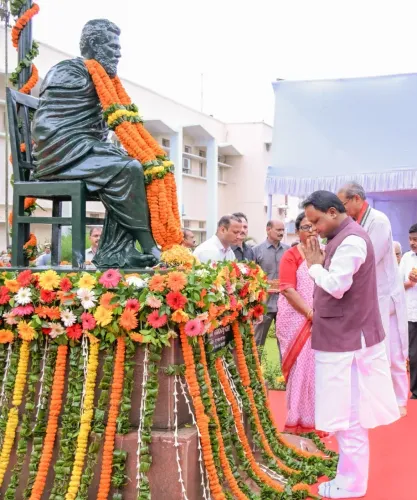
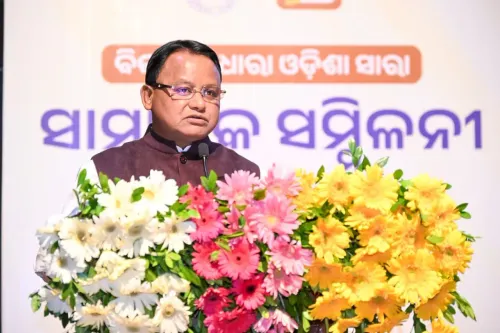
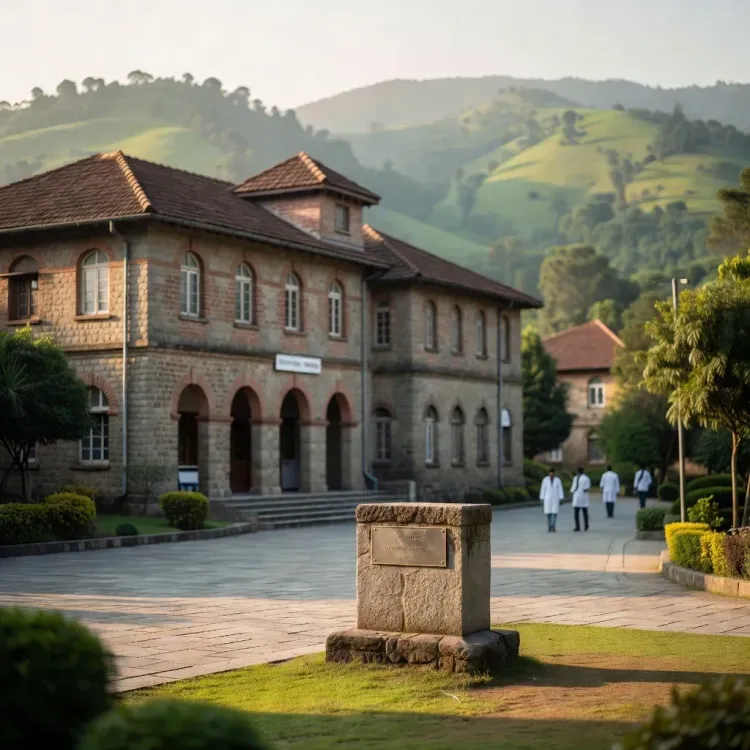
A saint's life of quiet sacrifice among Odisha's tribal heartland is now being written into the state's institutional memory. Odisha Chief Minister Mohan Charan Majhi announced on Tuesday, 28 July 2026 that the Phulbani Government Medical College and Hospital will be renamed in honour of Swami Lakshmanananda Saraswati, the revered Hindu ascetic who dedicated decades to education and social welfare in Kandhamal district before his assassination in 2008.
Posting in Odia, CM Majhi wrote that Swami Lakshmanananda's 'seva, tyaga o samarpana' — service, sacrifice, and dedication — 'shall forever remain a source of inspiration for our society.' The announcement pairs the institutional renaming with a concrete financial commitment: ₹13 crore from the CMSA fund has been approved for the comprehensive development of Jaleshpata Ashram, its ashram school, and the girls' residential facility (kanyashram) associated with the saint's legacy.
Who Was Swami Lakshmanananda, and Why Kandhamal Remembers Him
Swami Lakshmanananda Saraswati was no ceremonial figurehead. Over several decades, he built ashrams, schools, and social outreach networks deep inside Kandhamal — a tribal-majority district dominated by the Kandha community — at a time when formal state infrastructure was sparse. His work centred on tribal education and cultural preservation. His murder in August 2008 triggered one of the most serious episodes of communal violence in post-independence Odisha, leaving Kandhamal scarred in ways that still shape its politics and development priorities today. Naming a government medical college after him is therefore not a neutral administrative act. It is a pointed signal — one that connects healthcare infrastructure in a historically underserved district to the legacy of a figure who built welfare networks where the state had not yet reached.What the ₹13 Crore for Jaleshpata Means on the Ground
The Jaleshpata Ashram complex in Kandhamal served as the operational heart of Swami Lakshmanananda's social mission. The ₹13 crore CMSA allocation targets the ashram itself, its school, and the kanyashram — a residential facility for girls — covering what the CM described as 'holistic development.' For a district that has long sat at the intersection of tribal welfare gaps and political sensitivity, this level of directed funding is notable. CM Majhi framed the dual announcement explicitly as more than commemoration. 'This effort,' he wrote, 'is not merely the preservation of a great soul's memory, but a firm reflection of our resolve towards the education, development, and empowerment of the tribal society of Kandhamal.' Odisha's BJP government, in power since June 2024, has consistently paired cultural and religious commemoration with targeted welfare spending in tribal districts — a pattern that consolidates both symbolic and material outreach in constituencies where the party has invested heavily. Kandhamal, with its layered history and demographic complexity, sits near the centre of that strategy. The formal renaming process and the timeline for disbursement of the ₹13 crore allocation will be the next milestones to watch — because in Kandhamal, what gets built matters as much as what gets named.Point of View
CM Majhi simultaneously addresses a long-standing demand from Hindu nationalist constituencies and signals a welfare commitment to tribal voters. The real test will be whether the renaming is formalised and the ₹13 crore reaches Jaleshpata on a clear timeline.
NationPress
28 Jul 2026
Frequently Asked Questions
Why is Phulbani Medical College being renamed?
Odisha CM Mohan Charan Majhi announced the renaming of Phulbani Government Medical College and Hospital in honour of Swami Lakshmanananda Saraswati, recognising his decades of service, sacrifice, and educational work among tribal communities in Kandhamal district.
Who was Swami Lakshmanananda Saraswati?
Swami Lakshmanananda Saraswati was a Hindu ascetic who established ashrams, schools, and social welfare networks in Kandhamal, Odisha, focused on tribal education and cultural preservation. He was assassinated in August 2008, an event that triggered widespread communal violence in the district.
What is the ₹13 crore CMSA fund for Jaleshpata Ashram?
The Odisha government has approved ₹13 crore from the CMSA fund for the comprehensive development of Jaleshpata Ashram, its ashram school, and the kanyashram (girls' residential facility) in Kandhamal — all sites associated with Swami Lakshmanananda's social mission.
Where is Phulbani and why is Kandhamal significant?
Phulbani is the district headquarters of Kandhamal in Odisha. Kandhamal is a tribal-majority district with a significant Kandha population and a history of social tensions, making it a priority area for both development and political outreach by the Odisha BJP government.
When did the BJP come to power in Odisha?
The BJP came to power in Odisha in June 2024, with Mohan Charan Majhi taking charge as Chief Minister. Since then, the government has combined cultural commemoration with targeted welfare spending in tribal districts like Kandhamal.