CM Manik Saha Reviews Revenue Reforms, Orders Time-Bound Rollout
Synopsis
Tripura Chief Minister Dr. Manik Saha reviewed proposed revenue reforms — including automatic land mutation, BhuNaksha digital surveys, Tea Estate Management, and Forest Patta demarcation — and directed the Revenue Department to implement all measures in a time-bound, people-friendly manner.
Key Takeaways
Manik Saha reviewed revenue reform proposals for Tripura on 27 July 2026 .
Reforms include automatic land mutation , Tea Estate Management , and circle rate rationalisation .
The BhuNaksha GIS platform will be used for digital survey and demarcation of pending plots.
NAKSHA project groundtruthing in Agartala and Forest Patta demarcation using modern equipment are also under review.
The Revenue Department has been directed to roll out all reforms in a time-bound manner.
Stated goals include Ease of Doing Business , faster government services, and greater transparency and accountability.
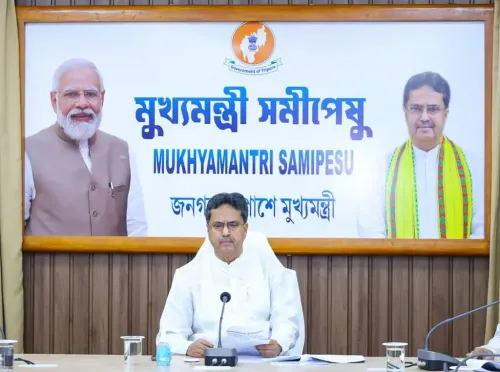
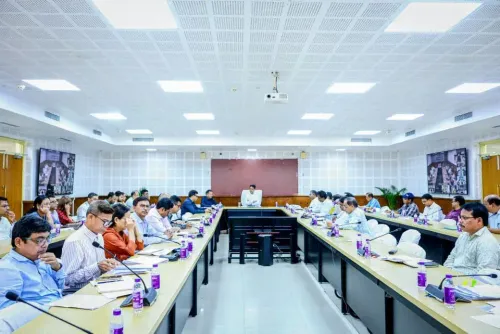
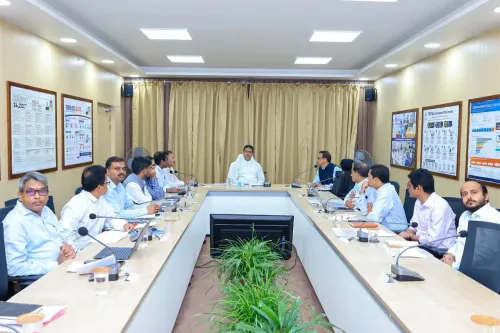
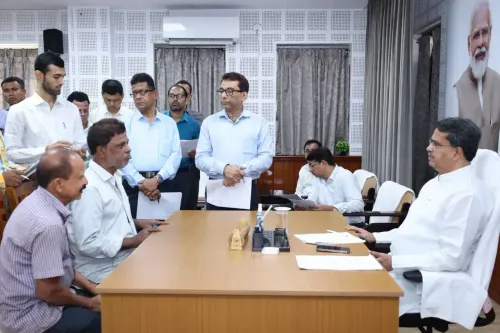
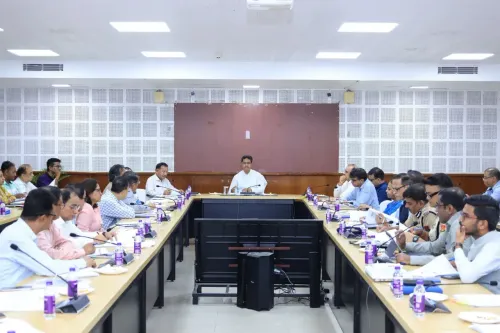
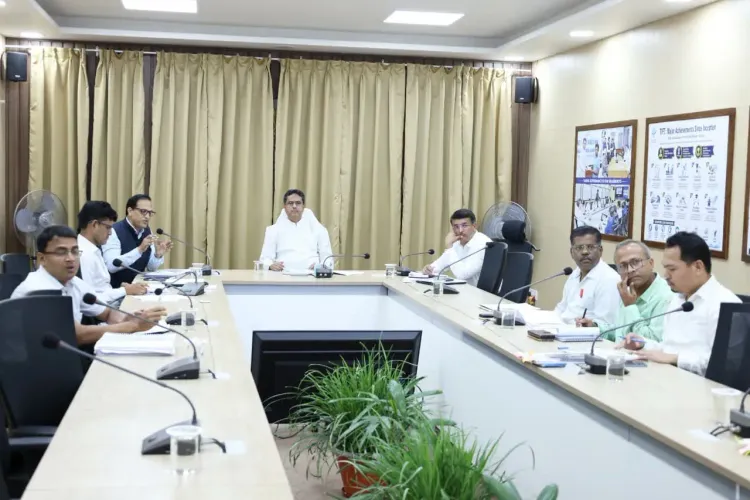
Tripura Chief Minister Dr. Manik Saha on Monday, 27 July 2026 reviewed a package of proposed revenue reforms for the state, covering automatic land mutation, digital survey systems, tea estate management, and circle rate rationalisation, and directed the Revenue Department to implement all measures in a time-bound manner.
Context
The review meeting examined several reform proposals aimed at modernising land administration in Tripura. Among the items discussed were automatic land mutation, easy land revenue management, and a dedicated module for Tea Estate Management. The session also covered groundtruthing of the NAKSHA project in Agartala, which involves field verification of digitally mapped land parcels.
Dr. Saha additionally reviewed progress on the BhuNaksha platform — a GIS-based system developed by the National Informatics Centre (NIC) — for modern digital survey and demarcation of pending plots. Forest Patta demarcation using modern survey equipment was also on the agenda, addressing the land rights of forest dwellers across the state.
Policy Backdrop
The reforms align with the Centre's Digital India Land Records Modernization Programme (DILRMP), which expanded the earlier National Land Records Modernization Programme (NLRMP) launched in 2008. Both programmes aim to computerise land records, integrate GIS mapping, and reduce disputes and procedural delays.
BhuNaksha is a key tool under this national framework, enabling web-based land information management and survey integration. Circle rate rationalisation — another item reviewed — directly affects property transactions and is a standard lever states use to bring official valuations closer to market reality, improving transparency for buyers, sellers, and investors alike.
Northeastern states have increasingly adopted modern survey tools and national portal integrations for forest rights and agricultural land management, making Tripura's current push consistent with a broader regional pattern.
Stakeholders and Impact
The reforms, if implemented as directed, stand to benefit a wide cross-section of residents. Landowners across Tripura's districts would gain from faster, automatic mutation processes, reducing the need for repeated visits to revenue offices. Tea estate operators, a significant economic constituency in the state, would see dedicated administrative improvements under the proposed Tea Estate Management module.
Forest dwellers awaiting Forest Patta demarcation would benefit from the deployment of modern survey equipment, potentially accelerating the resolution of long-pending land rights cases. For business investors, rationalised circle rates and streamlined revenue procedures directly support the state's standing under national Ease of Doing Business metrics.
Dr. Saha's stated objectives — 'people friendly revenue administration,' avoiding delays in government services, and ensuring 'transparency and accountability in the system' — frame the reforms as both a governance and a citizen-service priority.
What's Next
The Chief Minister has issued explicit directions to the Revenue Department to ensure all reforms are 'grounded in the field in a time-bound manner.' The key watch points will be district-level rollout of automatic mutation and digital survey systems, and whether Tripura's progress is reflected on national DILRMP dashboards. Integration of the NAKSHA groundtruthing results with state land records portals will also indicate how quickly the digital-physical gap in land administration is being closed.
With the state government staking political capital on governance delivery, the pace of field implementation — rather than the policy design — will determine whether these reforms translate into measurable relief for citizens and businesses in Tripura.
Point of View
Forest Patta rights — with business-friendly ones like circle rate rationalisation and Ease of Doing Business alignment is a deliberate political calculus: it broadens the coalition of beneficiaries. The time-bound directive to the Revenue Department is notable; it creates an accountability peg that the administration will need to honour publicly. Whether field implementation matches the policy ambition will test the state's administrative capacity, particularly in remote districts where land disputes and pending demarcations are most acute.
NationPress
27 Jul 2026
Frequently Asked Questions
What is automatic land mutation in Tripura?
Automatic land mutation is a proposed reform in Tripura under which changes in land ownership are updated in official revenue records without requiring landowners to file separate manual applications, reducing delays and office visits.
What is the BhuNaksha project?
BhuNaksha is a GIS-based land information and survey platform developed by the National Informatics Centre (NIC) and used across Indian states to digitally map and demarcate land plots, helping resolve pending survey cases.
What is the NAKSHA project in Agartala?
The NAKSHA project involves digital mapping of land parcels; groundtruthing refers to field verification of these digital maps to ensure accuracy against actual on-ground boundaries in Agartala and surrounding areas.
What is Forest Patta demarcation?
Forest Patta demarcation is the process of officially surveying and marking land parcels granted to forest dwellers under forest rights provisions, using modern survey equipment to establish clear boundaries and legal title.
How do Tripura's revenue reforms relate to Ease of Doing Business?
Streamlined land mutation, rationalised circle rates, and faster revenue services reduce procedural friction for investors and businesses, directly improving Tripura's performance on national Ease of Doing Business assessments.