CM Mann: Punjab's free power scheme zeros out bills for many
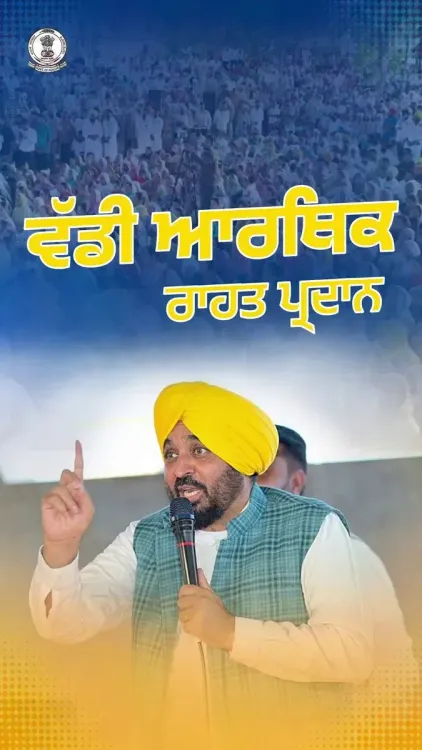
Synopsis
Chief Minister Bhagwant Mann has told Punjab residents that the state government's free electricity scheme — providing up to 300 units per month — is generating zero bills for a large number of domestic consumers, delivering economic relief amid inflation.
Key Takeaways
The Chief Minister's Office of Punjab announced on 26 June 2026 that CM Bhagwant Mann addressed residents highlighting zero electricity bills for many households.
The Punjab government's free electricity scheme provides up to 300 units of free power per month to domestic consumers.
The scheme was launched after the Aam Aadmi Party won the 2022 Punjab Assembly elections , fulfilling a key manifesto promise.
Power is distributed through the state utility Punjab State Power Corporation Limited (PSPCL) .
CM Mann framed the scheme as a pro-people decision offering significant economic relief amid a period of rising inflation.
The long-term sustainability of the scheme depends on state budgetary support and PSPCL 's financial position.
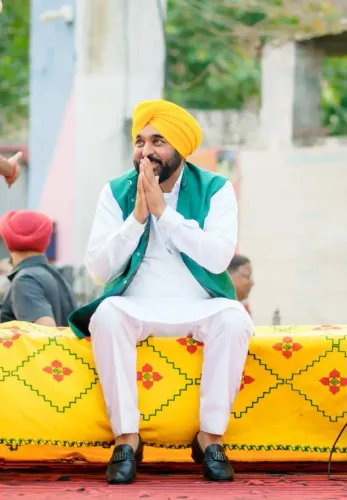
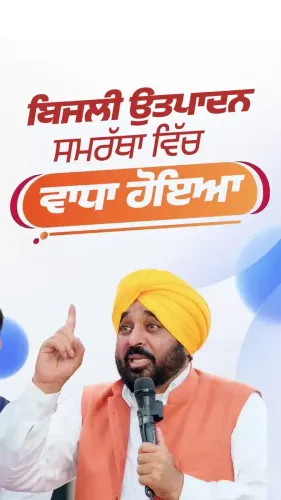
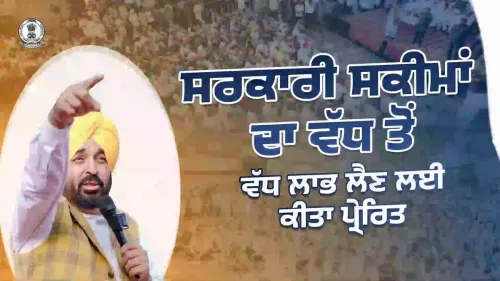
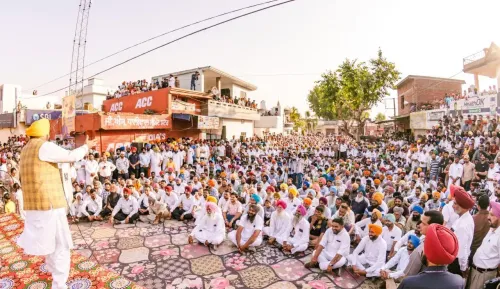
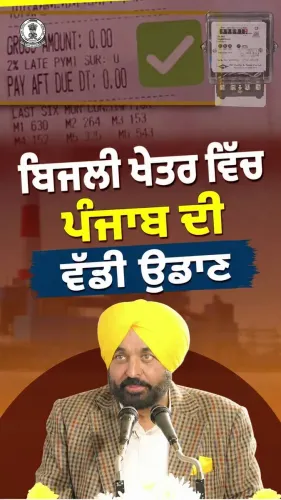
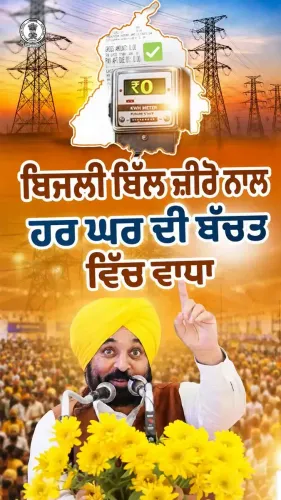
The Chief Minister's Office of Punjab announced on Friday, 26 June 2026, that Chief Minister Bhagwant Mann has addressed residents of the state, highlighting that a large number of domestic electricity consumers are receiving zero electricity bills owing to the Punjab government's free power scheme. The announcement underscores the Aam Aadmi Party government's continued push to provide economic relief to ordinary households amid rising inflation.
Addressing the public, CM Mann stated — 'ਇਸ ਲੋਕਪੱਖੀ ਫ਼ੈਸਲੇ ਨਾਲ ਆਮ ਲੋਕਾਂ ਨੂੰ ਮਹਿੰਗਾਈ ਦੇ ਦੌਰ ਵਿੱਚ ਵੱਡੀ ਆਰਥਿਕ ਰਾਹਤ ਮਿਲੀ ਹੈ' ('This pro-people decision has given ordinary citizens significant economic relief during a period of inflation'). The Chief Minister credited the free electricity facility being provided by the state government as the direct reason for zero-bill outcomes for a large number of domestic consumers.
Context
Punjab's free electricity scheme, rolled out after the Aam Aadmi Party swept to power in the state in March 2022, promises up to 300 units of free power per month to all domestic consumers. The scheme was a central manifesto commitment during the 2022 Punjab Assembly elections and has since been implemented through the state power utility, Punjab State Power Corporation Limited (PSPCL). For households whose monthly consumption stays within the free-unit ceiling, the result is a nil electricity bill — a tangible benefit that the government has consistently highlighted as proof of delivery on its electoral promises.Policy Backdrop
The free power initiative sits within a broader pattern of utility subsidies that AAP-led governments in Punjab and Delhi have championed since 2015. These programmes typically draw on state budgetary allocations or cross-subsidies, where higher tariffs charged to industrial and commercial consumers help offset the cost of free or subsidised power for domestic users. The scheme has been positioned by the government as a shield for low-income and middle-class households against the inflationary pressure on household budgets — a political and economic argument that CM Mann reiterated in his address on 26 June 2026.Stakeholders and Impact
The primary beneficiaries are domestic electricity consumers across Punjab, particularly low-income households whose monthly consumption falls within the 300-unit free threshold. For such families, the elimination of the electricity bill represents a direct reduction in monthly expenditure — a meaningful cushion at a time of elevated consumer prices. Industrial and commercial consumers, who pay higher tariffs and partly cross-subsidise the scheme, as well as PSPCL's own financial health, remain key variables in the long-term sustainability of the programme.What's Next
Future Punjab state budget documents and PSPCL financial disclosures will be closely watched for details on the subsidy burden and any proposed changes to unit limits or eligibility criteria. The government's ability to sustain the scheme without straining state finances will be a critical test as Punjab navigates its fiscal position in the years ahead. CM Mann's public address signals that the administration intends to keep the scheme at the centre of its welfare narrative heading into future electoral cycles.Point of View
Reinforcing the party's brand of direct, visible benefits to households. By linking zero electricity bills to inflation relief, the government is framing a fiscal subsidy as a social safety net — a messaging strategy that has proven electorally potent for AAP since its Delhi experiments. The long-term question, however, is whether Punjab's fiscal capacity can absorb the subsidy burden without crowding out capital expenditure or accumulating PSPCL debt. How the government manages this tension will define the scheme's legacy beyond its immediate political appeal.
NationPress
26 Jun 2026
Frequently Asked Questions
What is the Punjab free electricity scheme?
The Punjab government provides up to 300 units of free electricity per month to all domestic consumers through the state power utility PSPCL, meaning households that consume within this limit receive a zero electricity bill.
Who launched Punjab's free power scheme?
The scheme was launched by the Aam Aadmi Party government led by Chief Minister Bhagwant Mann after AAP won the Punjab Assembly elections in March 2022, fulfilling a central manifesto promise.
Are all Punjab households getting zero electricity bills?
A large number of domestic consumers are receiving zero bills, according to CM Bhagwant Mann, specifically those whose monthly consumption stays within the 300-unit free threshold set by the scheme.
How is Punjab funding the free electricity scheme?
The scheme is funded through state budgetary allocations and cross-subsidies, where higher tariffs charged to industrial and commercial consumers help offset the cost of free power for domestic users.
What did CM Bhagwant Mann say about electricity bills on 26 June 2026?
CM Bhagwant Mann stated that the Punjab government's free electricity facility is resulting in zero bills for a large number of domestic consumers, calling it a pro-people decision that has provided significant economic relief during a period of inflation.