CM Mohan Yadav Echoes Modi on Surgical Strikes via Mann Ki Baat
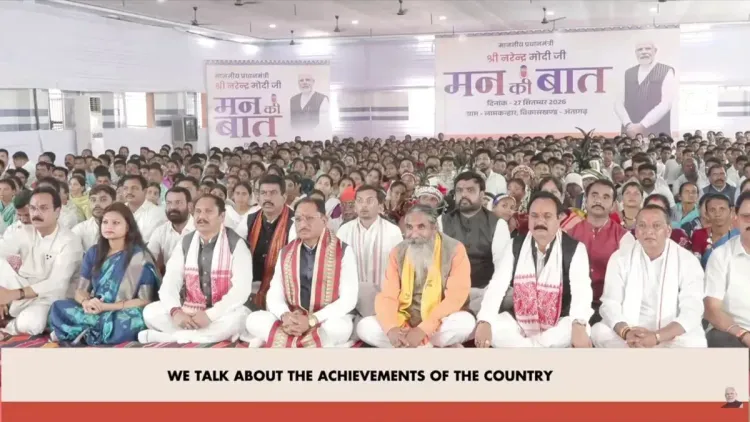
Synopsis
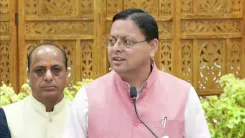
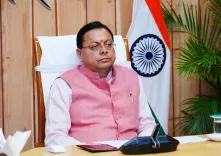
On the tenth anniversary of the 2016 surgical strikes, Madhya Pradesh CM Dr. Mohan Yadav quoted PM Modi's Mann Ki Baat, calling the operations India's decisive response to long-endured terrorist pain — reinforcing the BJP's counter-terrorism narrative on a symbolically charged date.
Key Takeaways
Madhya Pradesh Chief Minister Dr.
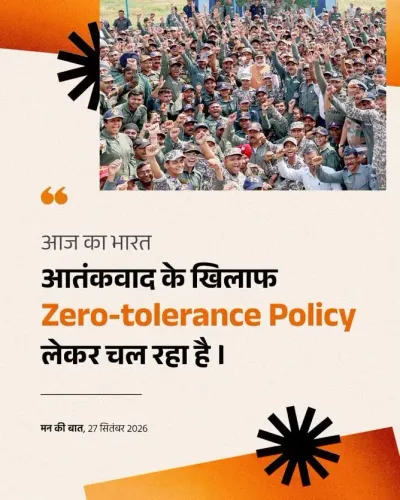
Mohan Yadav shared a PM Modi quote from Mann Ki Baat on 27 September 2026 , the tenth anniversary of the surgical strikes.
Modi described the 2016 surgical strikes as India's 'decisive response' to prolonged pain caused by terrorist attacks.
The strikes were carried out on 28–29 September 2016 across the Line of Control , following the Uri attack that killed 19 soldiers .
The operation marked a shift from India's earlier doctrine of strategic restraint to visible, calibrated retaliation.
State BJP leaders routinely amplify Mann Ki Baat excerpts on security themes, extending the broadcast's political reach.
The anniversary reinforces the ruling party's consistent narrative linking decisive leadership to national security outcomes.
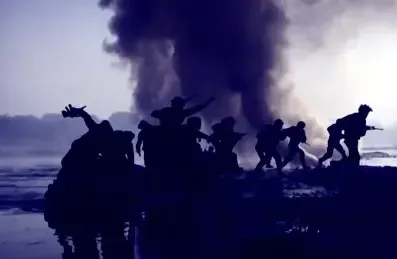
A decade after Indian Army commandos crossed the Line of Control in the dark, the memory of that night still shapes how India's leaders talk about national security. On Sunday, 27 September 2026, Madhya Pradesh Chief Minister Dr. Mohan Yadav amplified a quote from Prime Minister Narendra Modi's Mann Ki Baat, framing the 2016 surgical strikes as India's definitive answer to years of cross-border terror.
Quoting the Prime Minister directly, Dr. Yadav wrote: 'आतंकवादी हमलों के कारण भारत ने लंबे समय तक जो दर्द झेला था, सर्जिकल स्ट्राइक उस कष्ट के खिलाफ हमारी निर्णायक प्रतिक्रिया थी.' In English: 'The surgical strike was our decisive response against the pain that India had endured for a long time due to terrorist attacks.'
From Uri to the Line of Control: What the Strikes Represented
The strikes Dr. Yadav references trace back to the night of 28–29 September 2016, when Indian Army special forces conducted targeted operations against terrorist launch pads across the Line of Control in Pakistan-administered Kashmir. The operation followed the Uri attack of 18 September 2016, in which 19 Indian soldiers were killed — one of the deadliest strikes on an Indian military base in years. New Delhi's decision to respond with a visible, cross-LoC action marked a deliberate break from the doctrine of strategic restraint that had governed India's posture after previous attacks. The government's public acknowledgement of the strikes — unusual in itself — signalled that the calculation had changed. Retaliation would be calibrated, but it would be seen.Mann Ki Baat as a Security Pulpit
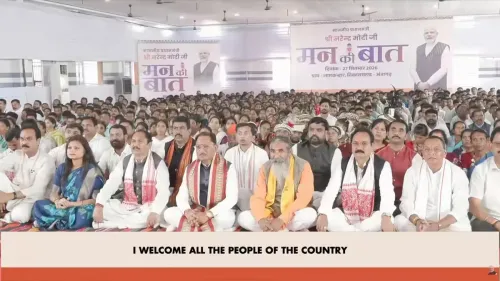
Mann Ki Baat, Prime Minister Modi's monthly radio address, has served since 2014 as a platform to frame governance, culture, and — increasingly — national security. References to the surgical strikes in the programme reinforce a consistent political narrative: that the current government reshaped India's counter-terrorism posture from passive endurance to active deterrence. State leaders routinely clip and share Mann Ki Baat excerpts, extending the broadcast's reach through social media and regional audiences. Dr. Yadav's post, timed to coincide with the tenth anniversary of the surgical strikes, fits squarely into that pattern — using a national-security milestone to underscore a party-wide message about resolve and leadership.Why the Anniversary Still Resonates
Ten years on, the surgical strikes remain a touchstone in Indian political discourse precisely because they were named, declared, and defended — not buried in operational ambiguity. Every anniversary renews the debate about deterrence, escalation thresholds, and what a credible counter-terrorism posture looks like for a nuclear-armed state sharing a contested border. That debate has only grown sharper as LoC management, cross-border infiltration, and regional security architecture continue to evolve. For the BJP, the strikes are not just a military event — they are a political proof point. And on their tenth anniversary, state capitals from Bhopal to the national conversation are making sure that point lands.Point of View
And anniversaries are the most efficient moment to refresh that message. Amplifying a Mann Ki Baat quote rather than speaking in his own voice allows a state leader to borrow the Prime Minister's authority while adding to the broadcast's social-media reach — a coordinated echo-chamber dynamic the party has refined over a decade. The timing on the tenth anniversary raises the stakes of the symbolism: this is not routine commemoration but a decadal marker, likely to feature in defence debates, campaign speeches, and security-policy framing for months ahead. Whether the message lands as patriotic pride or partisan signalling depends entirely on who is listening.
NationPress
27 Sept 2026
Frequently Asked Questions
What were the 2016 surgical strikes?
The 2016 surgical strikes were covert Indian Army operations conducted on the night of 28–29 September 2016, targeting terrorist launch pads across the Line of Control in Pakistan-administered Kashmir, following the Uri attack that killed 19 soldiers.
What is Mann Ki Baat?
Mann Ki Baat is Prime Minister Narendra Modi's monthly radio programme, broadcast since October 2014, in which he addresses governance, cultural, and national-security themes directly with citizens.
Why did CM Mohan Yadav post about the surgical strikes?
Dr. Mohan Yadav shared a quote from PM Modi's Mann Ki Baat on 27 September 2026 — the tenth anniversary of the surgical strikes — as part of the BJP's established practice of amplifying national-security milestones through state leaders.
What was the Uri attack that preceded the surgical strikes?
The Uri attack on 18 September 2016 was a militant assault on an Indian Army base in Jammu and Kashmir that killed 19 soldiers and prompted the government to authorise the surgical strikes ten days later.
How significant are the surgical strikes in Indian political discourse?
The surgical strikes remain one of the most cited national-security events in contemporary Indian politics because the government publicly acknowledged them — a rare move — framing them as proof of a new, assertive counter-terrorism doctrine.