CM Mohan Yadav Hails Modi's Welfare Schemes for Poor Women

Synopsis
MP Chief Minister Dr. Mohan Yadav praised PM Modi's welfare trinity — Ujjwala Yojana, Awas Yojana, and food security — as fulfilling the Antyodaya pledge of bringing prosperity to every poor family, with women as the primary beneficiaries.
Key Takeaways
Mohan Yadav on October 15, 2026 highlighted three central welfare pillars: smoke-free kitchens, pucca housing, and food security.
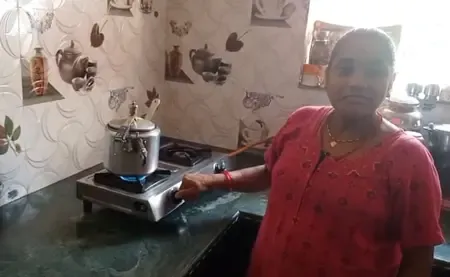
The Pradhan Mantri Ujjwala Yojana , launched in 2016 , provides LPG connections to BPL households, targeting women's health and dignity.
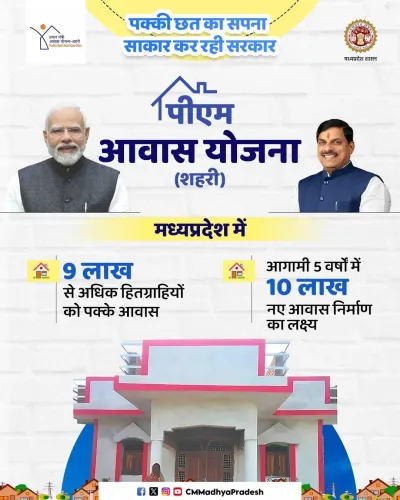
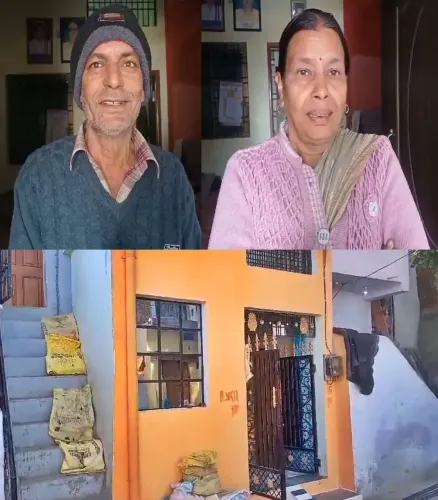
The Pradhan Mantri Awas Yojana , launched in 2015 , aims to deliver permanent housing to every eligible poor family.
The National Food Security Act (2013) underpins subsidised grain guarantees for priority households.
CM Yadav framed all three schemes under the Antyodaya philosophy — uplifting the poorest of the poor — and credited PM Narendra Modi by name.
Madhya Pradesh is positioning itself as a model for scheme saturation, routing welfare messaging primarily through women beneficiaries.
Smoke-free kitchens, solid roofs overhead, and guaranteed food on the table — Madhya Pradesh Chief Minister Dr. Mohan Yadav on Thursday, October 15, 2026, invoked this three-part vision to praise the welfare architecture built under Prime Minister Narendra Modi, saying it is delivering dignity and a better life to crores of mothers and sisters across the country.
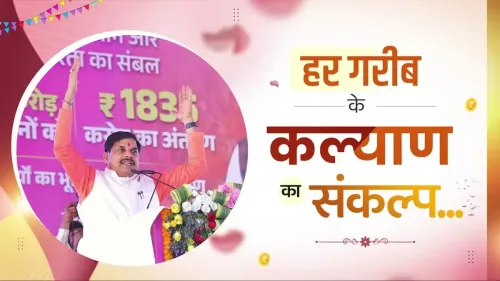
Posting on X in Hindi, CM Yadav wrote: 'Dhuanmukt rasoi, pakki chhat aur khadya suraksha' — 'a smoke-free kitchen, a pucca roof, and food security' — framing the trio as the concrete expression of the Antyodaya philosophy: the BJP's foundational commitment to uplifting the very last person on the welfare ladder.
Three Schemes, One Poverty-Reduction Spine
Each element in CM Yadav's post maps directly to a flagship central programme. The 'smoke-free kitchen' points to the Pradhan Mantri Ujjwala Yojana, launched in 2016, which provides LPG connections to households below the poverty line, pulling women away from the health hazards of wood-fire and dung-cake cooking. The 'pucca roof' references the Pradhan Mantri Awas Yojana, rolled out in 2015 with a mandate to deliver permanent, weather-proof housing to every eligible rural and urban poor family. And 'food security' anchors back to the National Food Security Act of 2013, which guarantees subsidised grain to priority households — a legislative floor that subsequent governments have expanded through free-ration programmes.
Together, the three form what BJP governments at the Centre and in states like Madhya Pradesh consistently present as a 'basic-amenities trinity' — the minimum threshold below which no Indian household should fall.
Antyodaya: The Ideological Frame Behind the Numbers
The word Antyodaya — literally 'rise of the last' — carries deep ideological weight inside BJP politics. Coined by social thinker Pandit Deendayal Upadhyaya, it instructs governance to judge itself not by aggregate growth figures but by whether the poorest family's condition has improved. CM Yadav's post leans hard into that framing: the line 'antyodaya ka sankalp har garib parivar ke jeevan mein khushhaali la raha hai' — 'the resolve of Antyodaya is bringing prosperity to every poor family's life' — is a political signal as much as a welfare update, tying Madhya Pradesh's state-level delivery narrative directly to PM Modi's national governance brand.
Madhya Pradesh as a Welfare Showcase
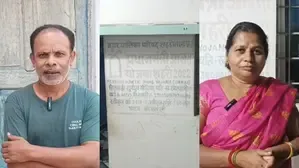
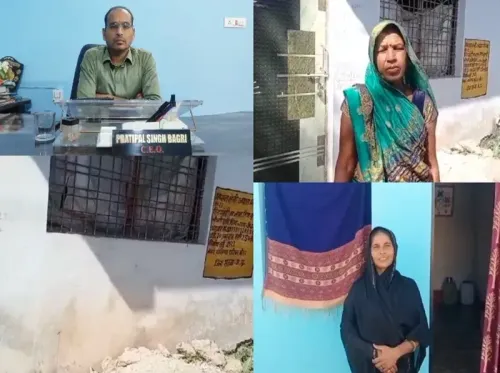
Madhya Pradesh has been prominently positioned by the BJP as a model for scheme saturation — the drive to ensure that every eligible beneficiary in a district is actually enrolled, rather than leaving entitlements on paper. The state has run repeated door-to-door campaigns for Ujjwala connections and Awas Yojana housing lists. CM Yadav's post, highlighting women as the primary beneficiaries, also underscores a consistent political choice: welfare messaging in India is increasingly routed through women voters, whose trust in LPG cylinders, pucca homes, and ration cards translates directly to electoral arithmetic.
Whether the state's saturation targets have been fully met remains a subject for official progress reports — but the political intent behind the message is unambiguous. When a chief minister publicly credits the prime minister by name for welfare outcomes, it is governance communication and coalition-building rolled into one clean post.
The kitchen is cleaner, the roof is stronger, and the grain is guaranteed — the question now is how many families still wait at the threshold.
Point of View
Where women voters have consistently rewarded LPG and housing entitlements. The post adds little new policy information but is a calibrated signal that state and Centre remain aligned on welfare optics.
NationPress
15 Oct 2026
Frequently Asked Questions
What is Pradhan Mantri Ujjwala Yojana and who benefits from it?
Pradhan Mantri Ujjwala Yojana, launched in 2016, provides free LPG cooking-gas connections to households below the poverty line, primarily benefiting women by replacing hazardous wood-fire cooking with clean fuel.
What is the Antyodaya philosophy mentioned by CM Mohan Yadav?
Antyodaya, meaning 'rise of the last,' is a governance philosophy adopted by the BJP from thinker Pandit Deendayal Upadhyaya. It holds that true development is measured by the improvement in the life of the poorest person in society.
What is Pradhan Mantri Awas Yojana?
Pradhan Mantri Awas Yojana, launched in 2015, is a central government scheme aimed at providing permanent, pucca (solid) houses to eligible rural and urban poor families across India.
How does the National Food Security Act guarantee food to poor families?
The National Food Security Act of 2013 entitles priority-household members to subsidised food grains through the public distribution system, forming the legal backbone of India's food-security safety net.
Why does Madhya Pradesh focus on women when communicating welfare schemes?
Women are the direct beneficiaries of LPG connections, pucca housing, and ration cards, making them the most tangible proof of scheme delivery. Politically, welfare messaging directed at women has also proven electorally effective in Madhya Pradesh.